The seventeenth century was an interesting period in England. The century began with Elizabeth I- “Gloriana”- and saw an absolute monarchy abolished with a civil war only to be brought back again. This month’s court painter painted not only Charles I and Charles II (whom he served as Principal Painter in Ordinary) but also Oliver Cromwell. He also created one of the best known sets of paintings in the Royal Collection. Let’s get into November’s Court Painters: Peter Lely for one of the seventeenth century’s best known painters.
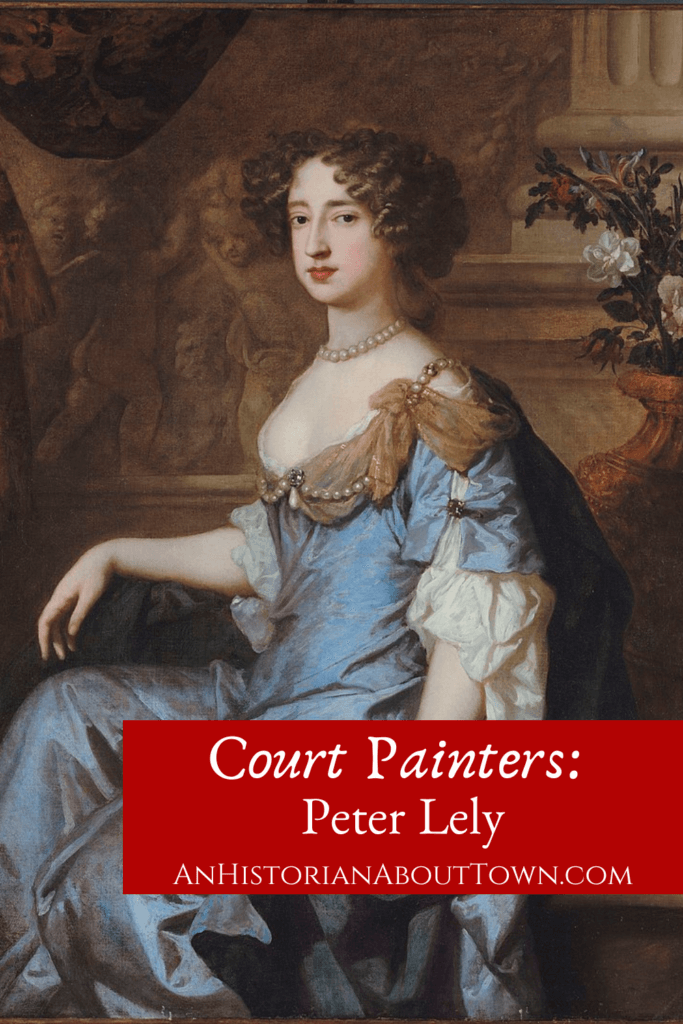
Peter Lely’s Early Years
Peter was born Pieter van der Faes to a Dutch soldier serving in Westphalia and his wife in 1618. His family moved back to the Netherlands and settled in Haarlem where Pieter began his apprenticeship as a painter. By 1637, he had become a master of the Guild of Saint Luke (the guild of painters and artists). At some point during his training, he chose the last name of Lely, possibly because of the lily on the family home.
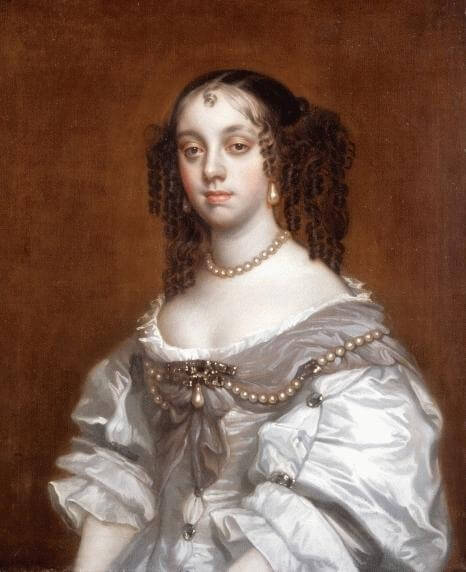
A New Home
By the early 1640s, Lely had moved to England. While he did arrive during the Civil War, it was somewhat fortuitous timing for him- with Anthony van Dyck’s death in 1641, there was no leading painter in England. He first focused on painting landscapes and religious scenes but then shifted to portraits quickly. His work was immediately popular with the aristocracy- this would be crucial for his career. By 1647, he was a member of the Painters-Stainers Company and working for Charles I as a portrait painter. Because he was considered the portrait painter of the period, his career did not suffer.
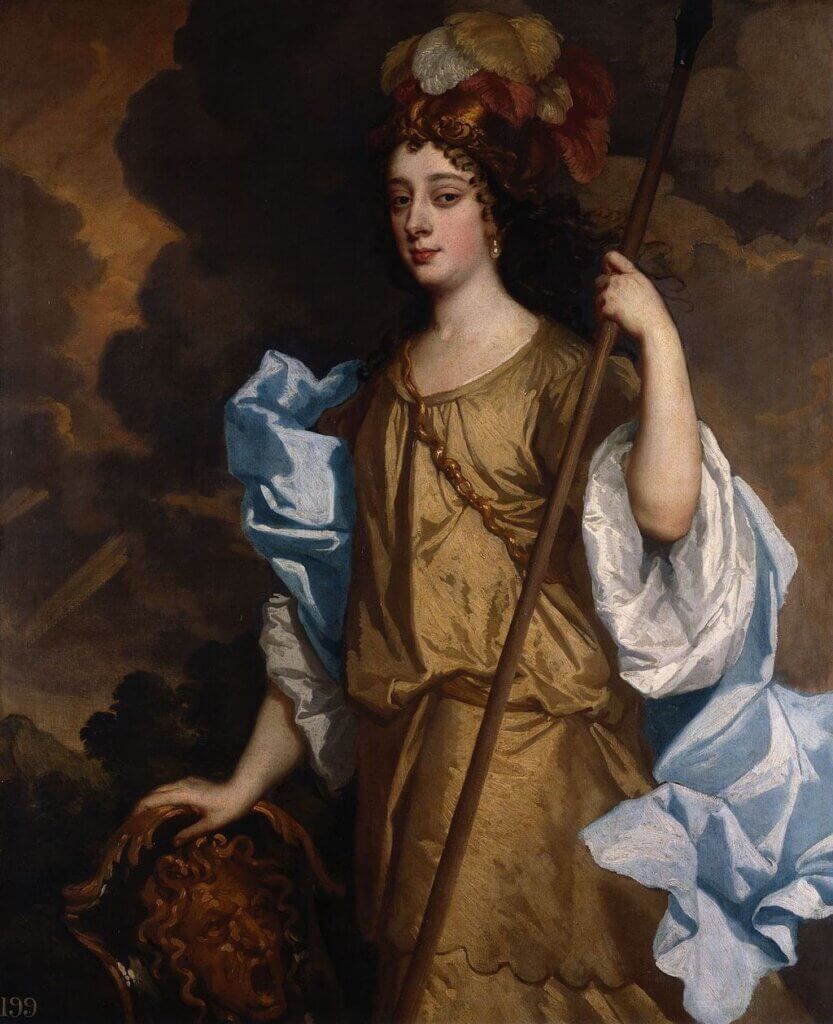
The Interregnum
Whether or not there is a monarchy, the wealthy want portraits (now photos) of themselves, and Lely’s career continued on. During the Interregnum (the period where there was no monarchy in England- 1649 to 1660), Lely was commissioned by several different Parliamentarian families to create portraits. Oliver Cromwell, the Lord Protector, also commissioned a portrait from Lely. (The portrait captured all of Cromwell’s good and bad elements, not a common choice for a leader.)
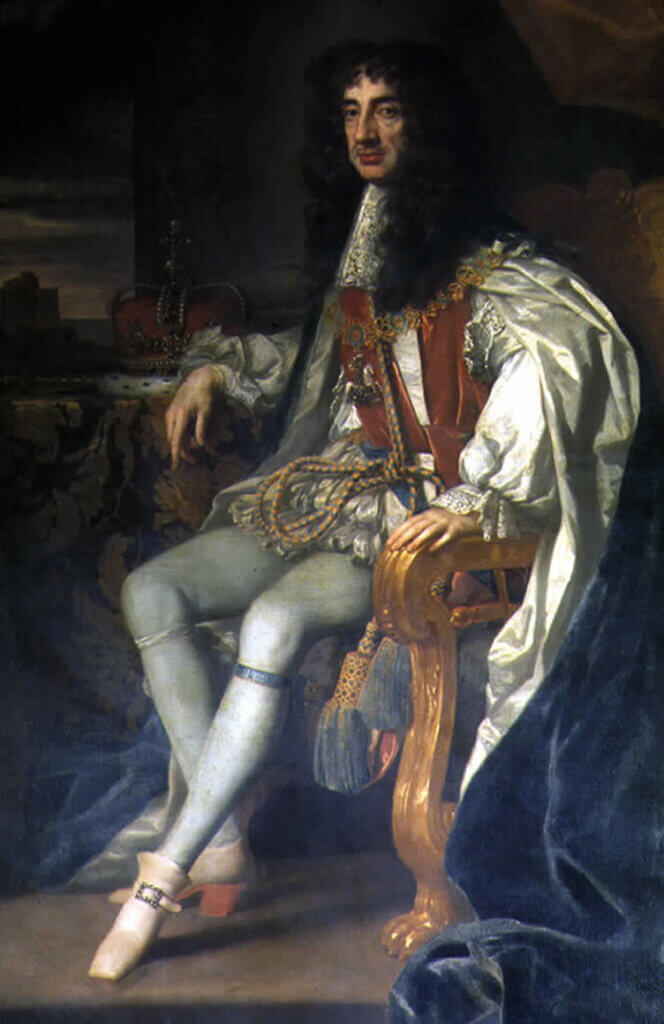
A Restored Monarchy
In May 1660, King Charles II arrived in London after Parliament invited him back to the throne. Cromwell died in 1658 and his son Richard became Lord Protector, though Richard was nowhere close to the leader that his father was.
By 1661, Charles had appointed Lely as Principal Painter in Ordinary (that came with a £200 salary), and in 1662, he became a naturalised citizen. He remained a popular artist among the aristocracy and continued to receive commissions for portraits. Lely also developed a studio system using several different assistants; he would paint the head and face himself, make a chalk drawing of the body, and have an assistant complete the painting.
Interested in more book previews, period dramas, royal news, and more? You can subscribe to my biweekly substack newsletter here: https://anhistorianabouttown.substack.com/!
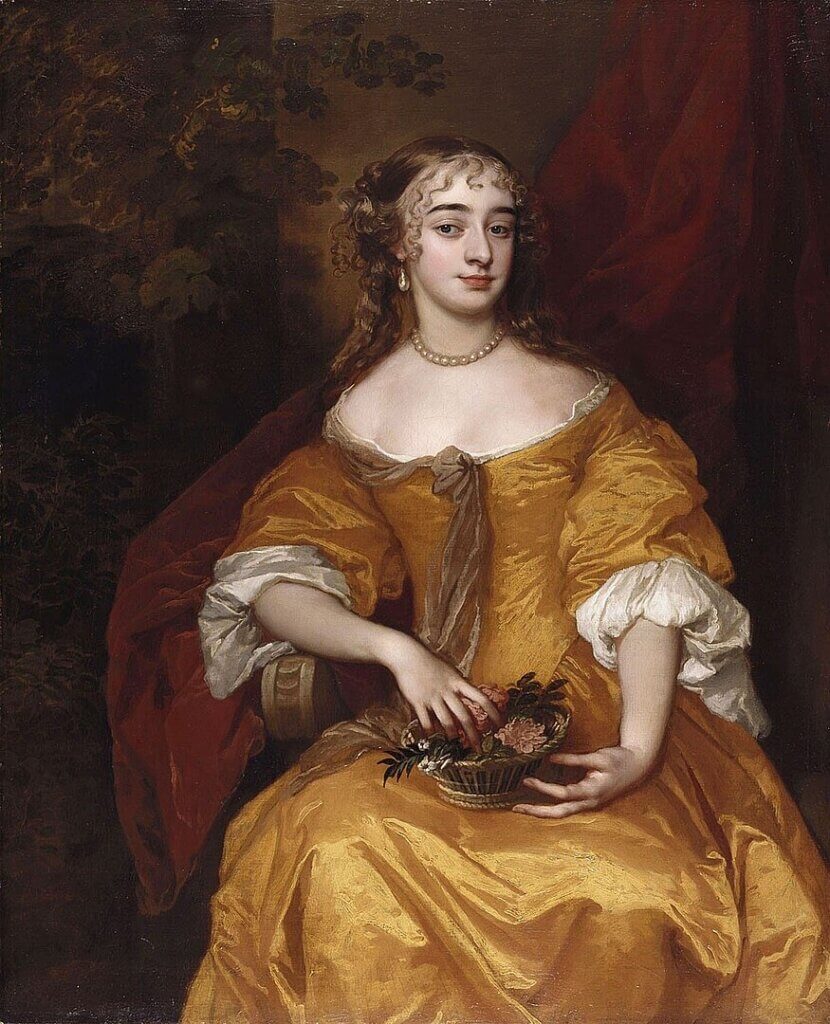
The Windsor Beauties
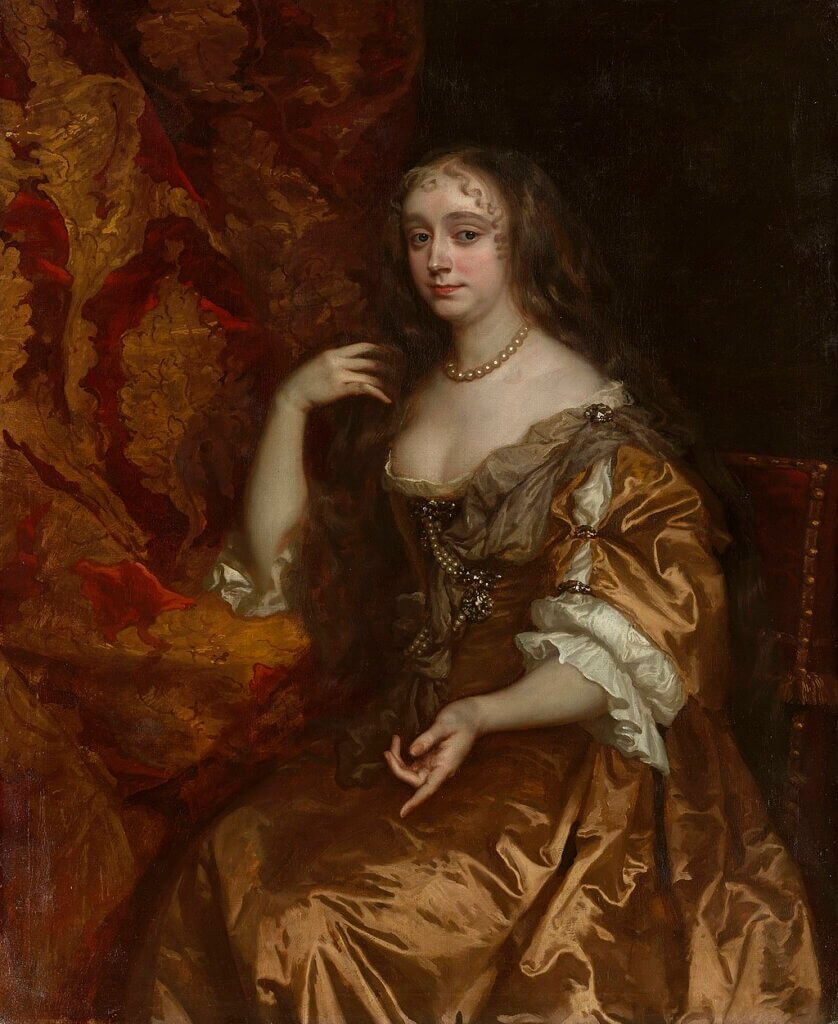
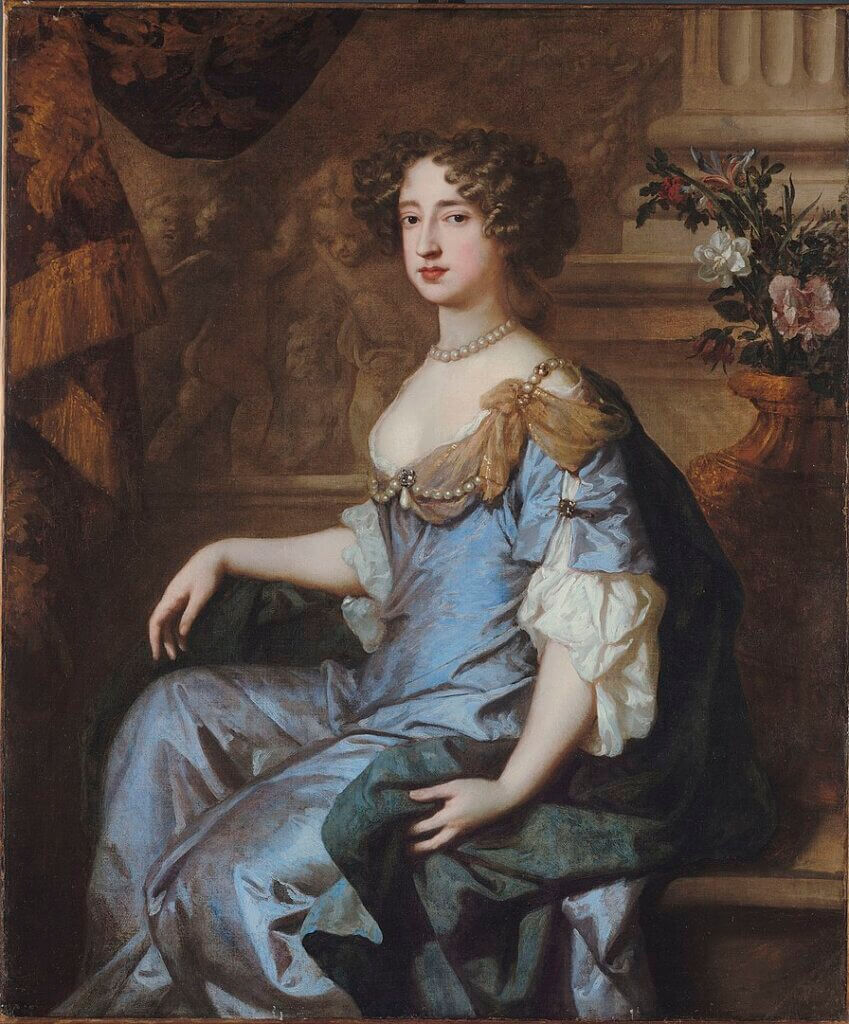
The Windsor Beauties are a collection of twelve paintings of the women of Charles II’s court. Anne Hyde, Duchess of York (the first wife of the future King Hames II) commissioned the set of paintings from Lely. These women were not only known for their beauty but also their power at court. Some of the women painted were the King’s mistresses, including Barbara, Duchess of Cleveland and Mary Sackville, Countess of Falmouth and Dorset. The other women painted included Frances, Duchess of Richmond and Lennox (one of the women who refused to become a mistress) and Madame Henrietta, Duchess of Orléans (Charles’ younger sister).
These paintings were created to hang at Windsor Castle and are still in the Royal Collection. In 2023, the RCT loaned the paintings to Historic Royal Palaces to display in an exhibition at Hampton Court Palace.
Lely’s Later Years and Death
Lely continued to work until his death. He lived at No 10-11 Great Piazza in Covent Garden from the early 1650s up to his death in December 1680. Charles had granted Lely a knighthood in late 1679, a great honour for the artist. He was buried in his parish church, St. Paul’s Church in Covent Garden (known as the actor’s church). Lely’s legacy was largely secured due to the high number of surviving portraits.
Interested in more court painters?
Court Painters: Anthony van Dyck
Court Painters: Philip de László
Court Painters: Sofonisba Anguissola
Court Painters: Sir Godfrey Kneller
Court Painters: Sir Thomas Lawrence
Court Painters: Élisabeth Vigée Le Brun
Do you have a favourite Lely painting?
Cheers,
The Historian
Facebook | Twitter | Instagram | Pinterest | Threads