Many exhibitions have been announced for this year (of course), and several have caught my eye. One, in particular, has grabbed me, a smaller exhibition at Hampton Court Palace. I have not announced it yet, but I have a new series premiering on the blog in the spring looking at different court painters and portraitists. Historic Royal Palaces currently has an exhibition exploring the works of Sir Peter Lely, a seventeenth-century painter, as well as modern portraits. The ‘Permissible Beauty’ exhibition at Hampton Court Palace allows us to peer into the past while reflecting upon our own times, and looks to be fantastic!

What are the Windsor Beauties?
The Windsor Beauty portraits are one-half of this exhibition. Anne Hyde, the Duke of York’s first wife, most likely commissioned Sir Peter Lely to create these eleven portraits of women from the Restoration Court from 1662 to 1665. Lely was a Dutch painter who spent much of his career in England. He was one of King Charles I’s portraitists (before the monarchy was abolished and he was executed), and then continued to work for Oliver Cromwell during Interregnum. In 1661, King Charles II appointed him as Principal Painter in Ordinary.

The “Permissible Beauty” Exhibition
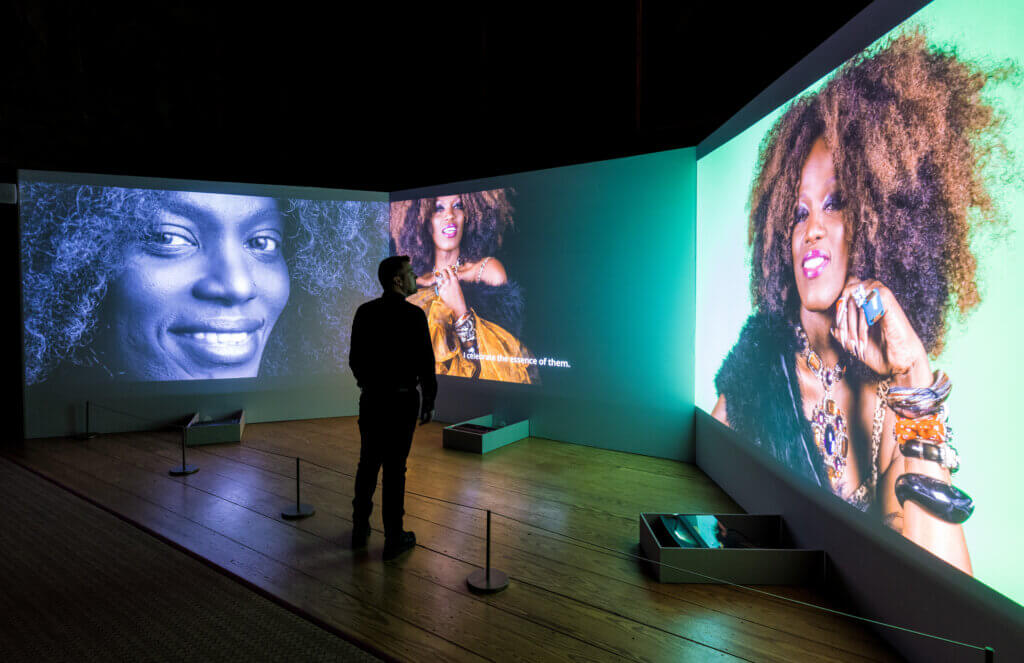
This new exhibition opened at Hampton Court Palace on 14 January and will be on through 26 February. The exhibition pairs the Windsor Beauties with new portraits of members of the Black Queer British community.
Why are some forms of beauty more permissible, more highly valued, than others?
A new immersive installation at Hampton Court Palace will bring past and present together to explore this question and to celebrate a new chapter of British Beauty for the 21st century.
From January 2023, Hampton Court Palace will present Permissible Beauty, bringing together the ‘Windsor Beauties’ and contemporary portraits of six leading figures in the Black Queer British community to examine shifting ideas of beauty.
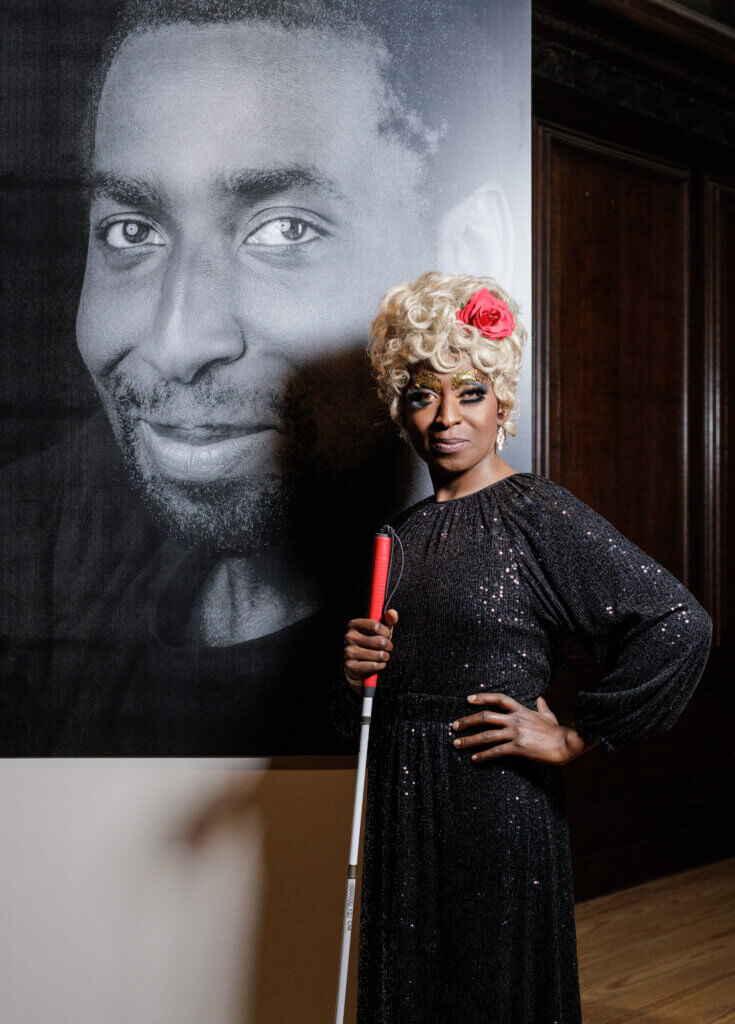
Informed by art historian and musician David McAlmont’s musings on the art collections at the Palace, it features new portraiture by acclaimed photographer Robert Taylor. The contemporary sitters are performers, activists, models, artists and musicians, Le Gateau Chocolat, Son of a Tutu, Ebony Rose Dark, Karnage Kills, Julius Reuben and Winn Austin.
Interview with Matthew Storey, Collections Curator for Historic Royal Palaces
What about Lely’s portraits stands out for you amongst royal portraiture?
Lely was a master image maker and business man. He specialised in creating portraits that flattered his sitters, making sure they conformed to the narrow beauty standards of the 17th century. This was why he was so successful, you knew if Lely painted your portrait you would look fashionable. Today this means his portraits can all look very similar, and even Samuel Pepys called the Windsor Beauties ‘good, but not like’ the women they portrayed. Lely’s skill came in combining the lessons he had learnt from the art of previous generations and reflecting the values of people in his own time.

Sir Peter Lely’s portrait of Frances Stuart, held by the Royal Collection Trust
https://www.rct.uk/collection/404514/frances-stuart-duchess-of-richmond-1647-1702
How can we in the modern period see ourselves in these portraits?
The Permissible Beauty project looks how narrow standards of beauty existed in the 17th Century, as seen in the Windsor Beauty portraits, and how we still have that legacy in the narrow beauty standards we still sometimes have today. By creating new portraits through film, photography and interviews with six creative talents from the Black British Queer community we celebrate a different, more generous, and open view of beauty. One thing I love about Permissible Beauty is the way it directly draws inspiration from the Windsor Beauties and Lely’s art. The paintings may be over three hundred years old, but they are still an amazing source of inspiration for today’s artists.
How does the setting of Hampton Court Palace influence how we view these paintings?
The setting of Hampton Court Palace firmly places these paintings in a royal context. All of the women depicted had a place in the royal court of Charles II, and so would have been familiar faces in the royal palaces. The palace is now open to the public, and run by an independent charity, Historic Royal Palaces, so they are now available to be seen by everybody. This gives them new meanings, as seen in the Permissible Beauty project, which is a wonderful, open, and celebratory project.
What takeaways do you want visitors to leave with?
I would like visitors to know how fascinating the Windsor Beauties portraits are, and to know more about the lives of the women depicted in them. I was keen to include LGBTQ+ history in the display, and the interpretation includes a portrait of one of the beauties, Frances Stuart, in masculine dress, painted at the same time. I also would love for visitors to think more deeply about what beauty is, and who or what we consider to be beautiful today. The six contemporary sitters from the Black British Queer community give such fascinating insights into their lives and their journeys to express themselves with authenticity. I hope visitors feel this project has opened a new chapter of British beauty.
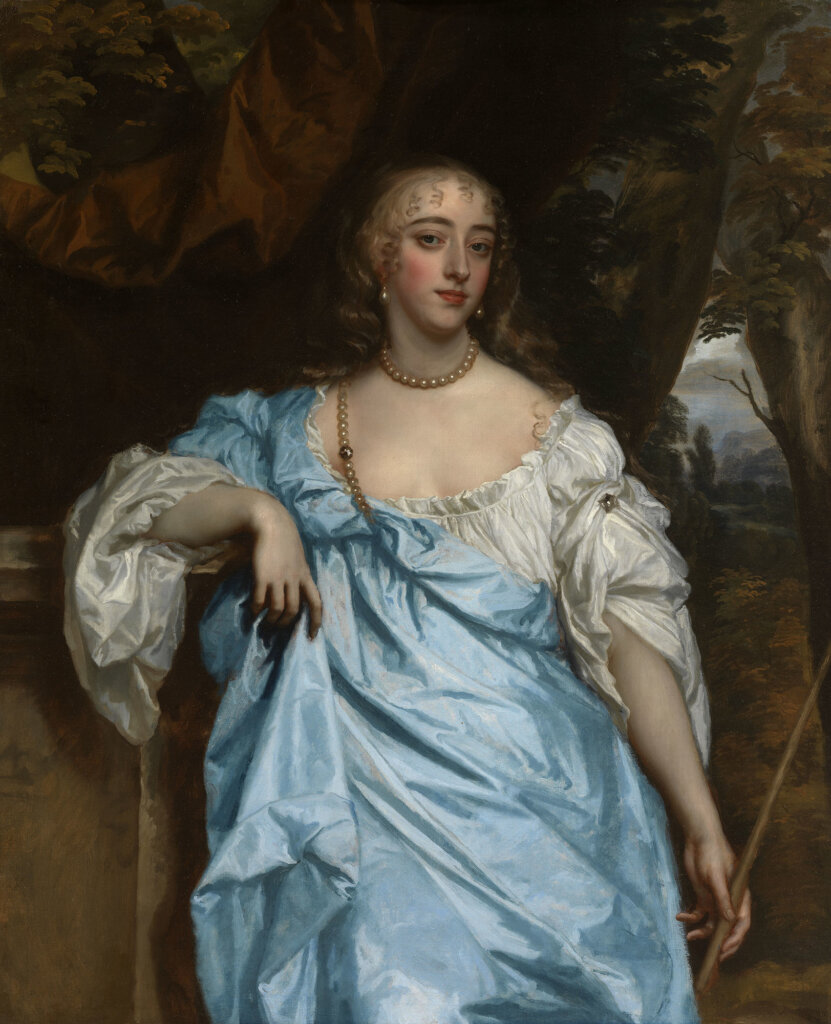
https://www.rct.uk/collection/search#/27/collection/404958/mary-bagot-countess-of-falmouth-and-dorset-1645-79
Visiting Hampton Court Palace
If you find yourself nearby Surrey, a visit to Hampton Court Palace should be at the top of your list! Permissible Beauty is included in your admission price, and you can enjoy it along with the Tudor and Georgian apartments. It is open from Wednesday to Sunday from 10:00 to 16:00 (last admission is at 15:00).
You can find more information on visiting here!
Is the Permissible Beauty exhibition on your to-see list?
Cheers,
The Historian
Facebook | Twitter | Instagram | Pinterest