Well, we find ourselves at the last Court Painter post of 2024. I am very much enjoying this series- art history is not my forte, and I love that it pushes me to learn more in different areas. I should say here- if there are any court painters (official or unofficial) you would like to see covered, please let me know. This artist was never officially named as court painter but painted two dynasties that ruled over Britain. Let’s get into December’s Court Painters: Michael Dahl for our last art history post of 2024!

Michael Dahl’s Early Years
Michael Dahl was born in Stockholm, Sweden in the 1650s to Catarina Dahl. Little is known about his early life, including the name of his father and the specific year and date of his birth.
By his teens, he was studying with Martin Hannibal, a Hungarian-born artist, and David Klöcker Ehrenstrahl, an aristocratic Swedish artist. While there was a painters’ guild in Sweden during the seventeenth century, there is no evidence Dahl ever studied under it.
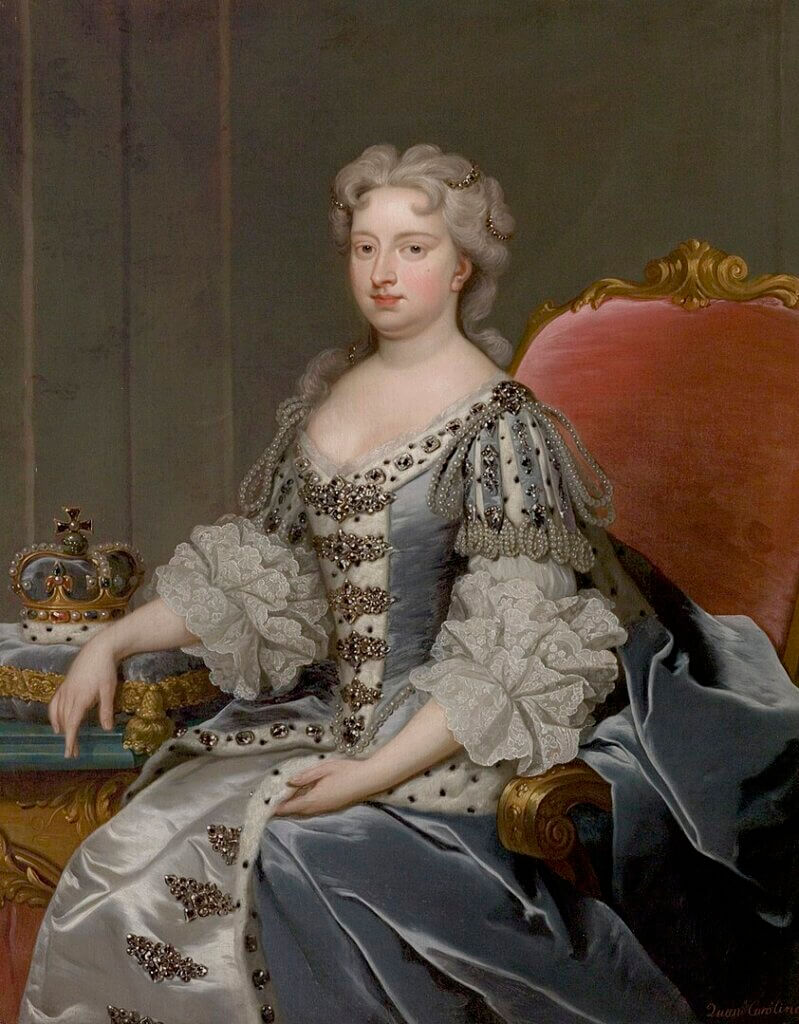
A New Life in England
In the summer of 1682, Dahl set out across Europe to make his way to England to study further. He studied under English artist Robert White, including White’s work as a royal portraitist. (White created a portrait of King Charles XI of Sweden.)
It was while he was studying in England that Dahl made connections with other court painters. He studied under Sir Godfrey Kneller, a court painter who painted seven different British monarchs. During his time studying with Kneller and working in his studio, he also met artist Henry Tilson, a younger artist who had studied under Peter Lely. Dahl and Tilson became friends as well as colleagues and set out together.

Travelling the Continent
Dahl and Tilson left for the Continent in early 1685. They first went to Paris and after spending a few months there, they first went to Venice and then Rome. Queen Christina of Sweden, the former Swedish Queen who abdicated, lived in Rome after converting to Catholicism. She spent much of her time and money on artistic patronages. Dahl knew that she could be a useful connection and eventually ended up converting to Catholicism to win her over.
Dahl’s time in Rome proved fruitful. Not only did Christina allow him to paint her portrait, the Pope awarded Dahl a gold medal for the work.
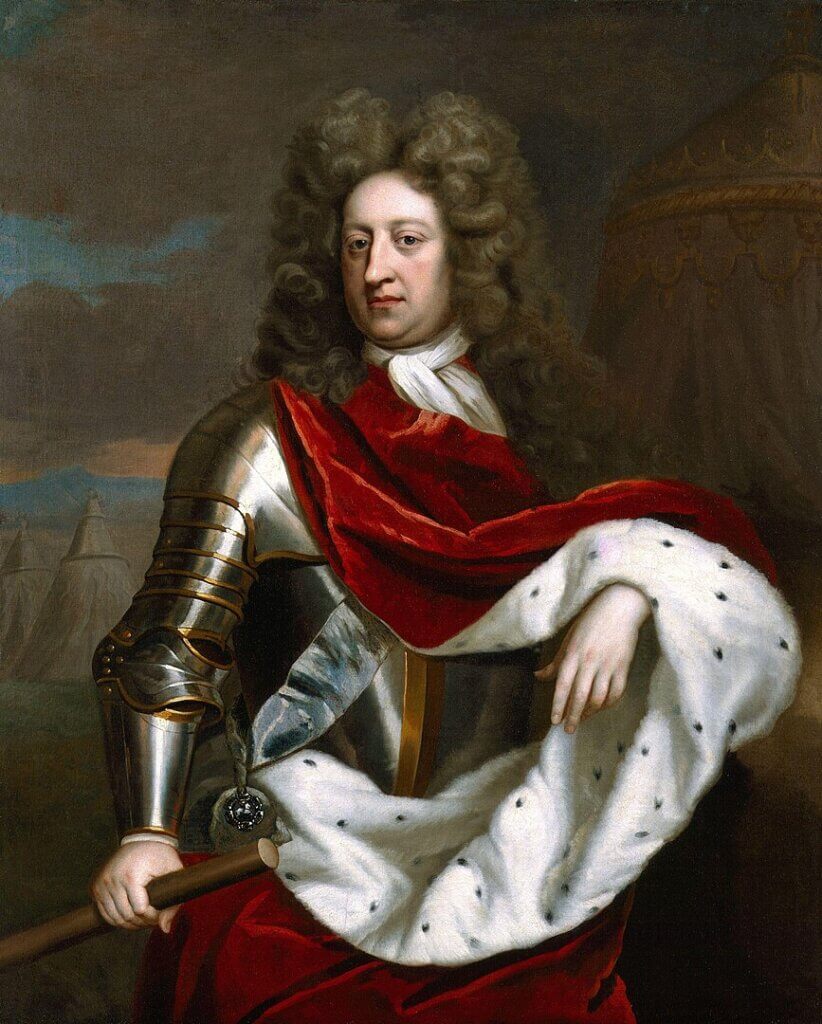
A Return to England
By early 1689, Dahl and Tilson had returned to England. Dahl’s reputation had improved dramatically with his continued education and commissions in Europe, and he was a sought-after portraitist. In 1696, the Duke of Somerset commissioned a portrait from Dahl. The Duke was a well-connected man, having served King James II and King William III. (He would go on to serve Queen Anne.)
It was in 1705 that Dahl cemented his career- he was asked to create a portrait of Prince George of Denmark, Queen Anne’s husband. It was after George’s portrait that he was then asked to make a portrait of the Queen herself, one of the most recognisable portraits of the last Stuart monarch.
Interested in more book previews, period dramas, royal news, and more? You can subscribe to my biweekly substack newsletter here: https://anhistorianabouttown.substack.com/!

Never the court painter
While Dahl was favoured at the Stuart court, he found things different under the Hanoverians. The new Hanoverian king, King George I, had considered Dahl, but Dahl refused to paint his two-year-old grandson, the Duke of Cumberland. King George was furious and he neither knighted Dahl nor appointed him as Court Painter.
Dahl did continue to work throughout the rest of his life and remained in England. He died in October 1743 and was buried in St. James’s Church, Picadilly (a church designed by Sir Christopher Wren).
♠
Interested in more court painters?
Court Painters: Anthony van Dyck

Court Painters: Philip de László
Court Painters: Sofonisba Anguissola
Court Painters: Sir Godfrey Kneller
Court Painters: Sir Thomas Lawrence
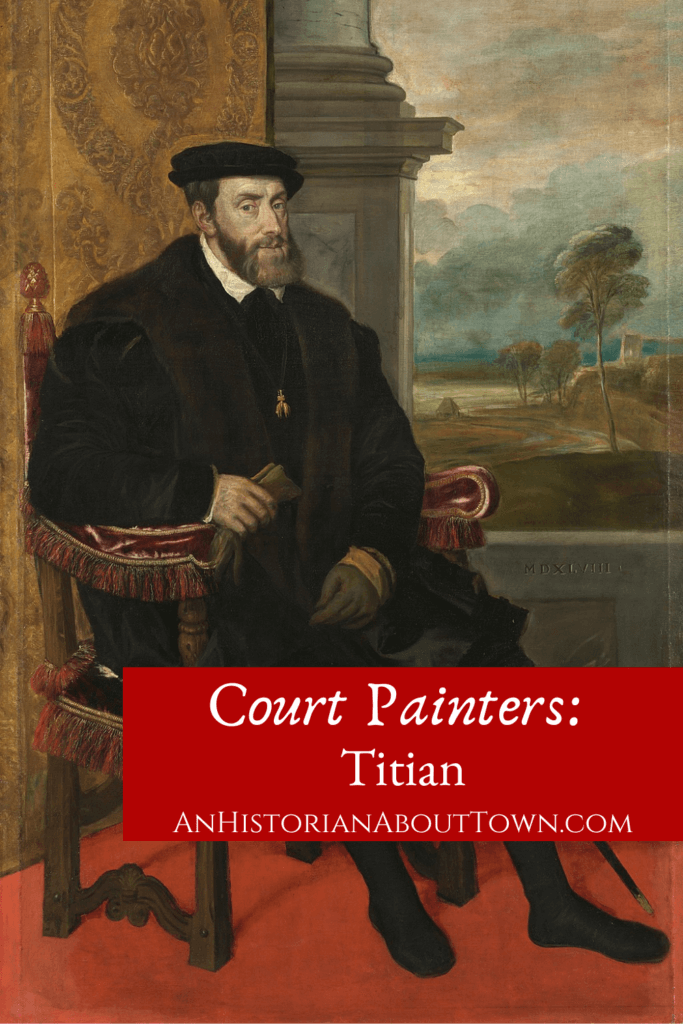
Court Painters: Élisabeth Vigée Le Brun
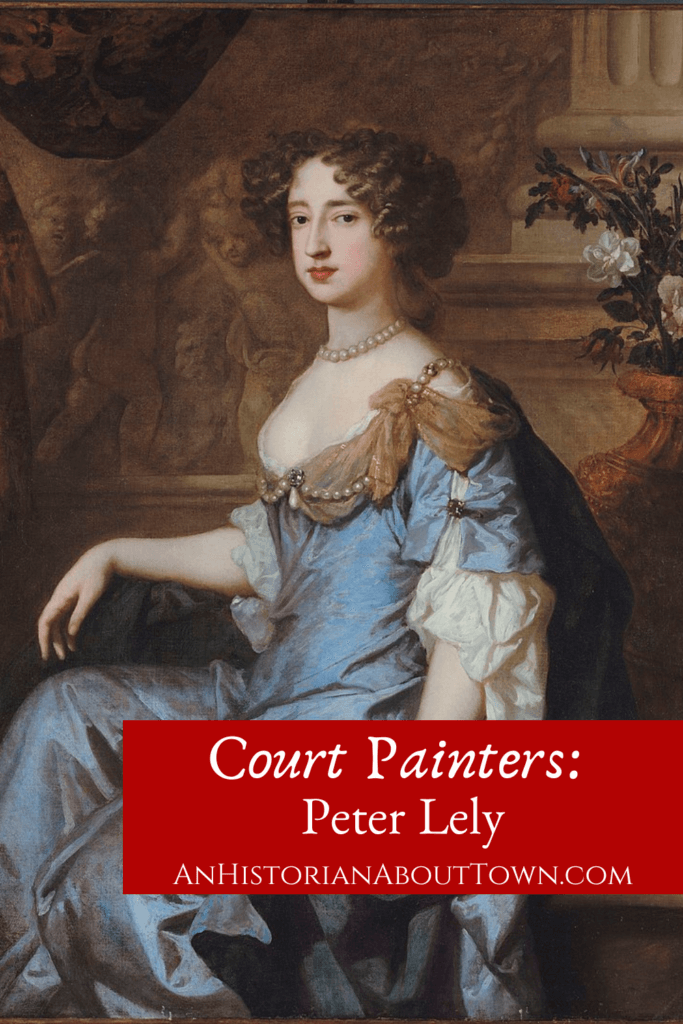
Do you have a favourite Lely painting?
Cheers,
The Historian
Facebook | Twitter | Instagram | Pinterest | Threads