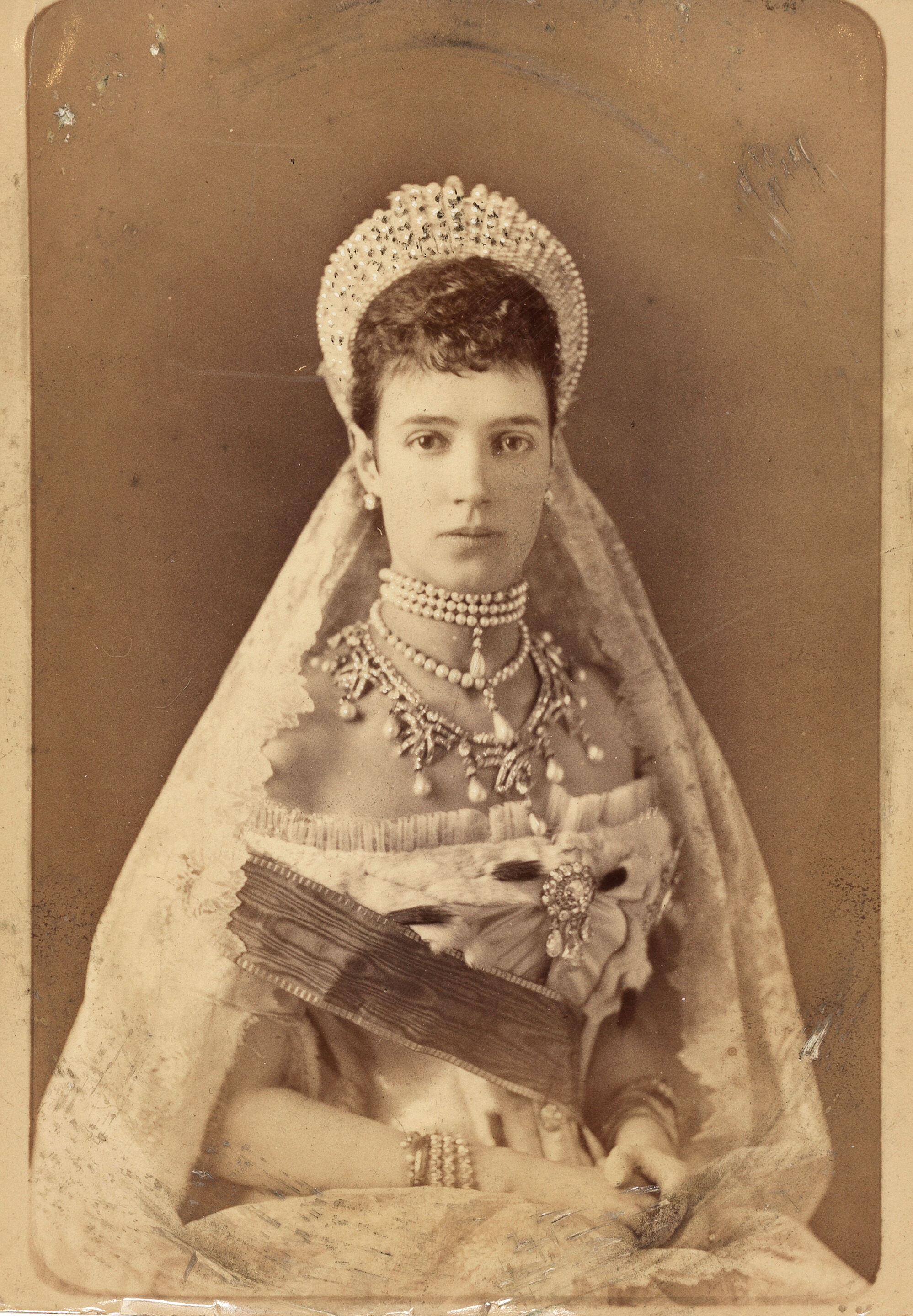
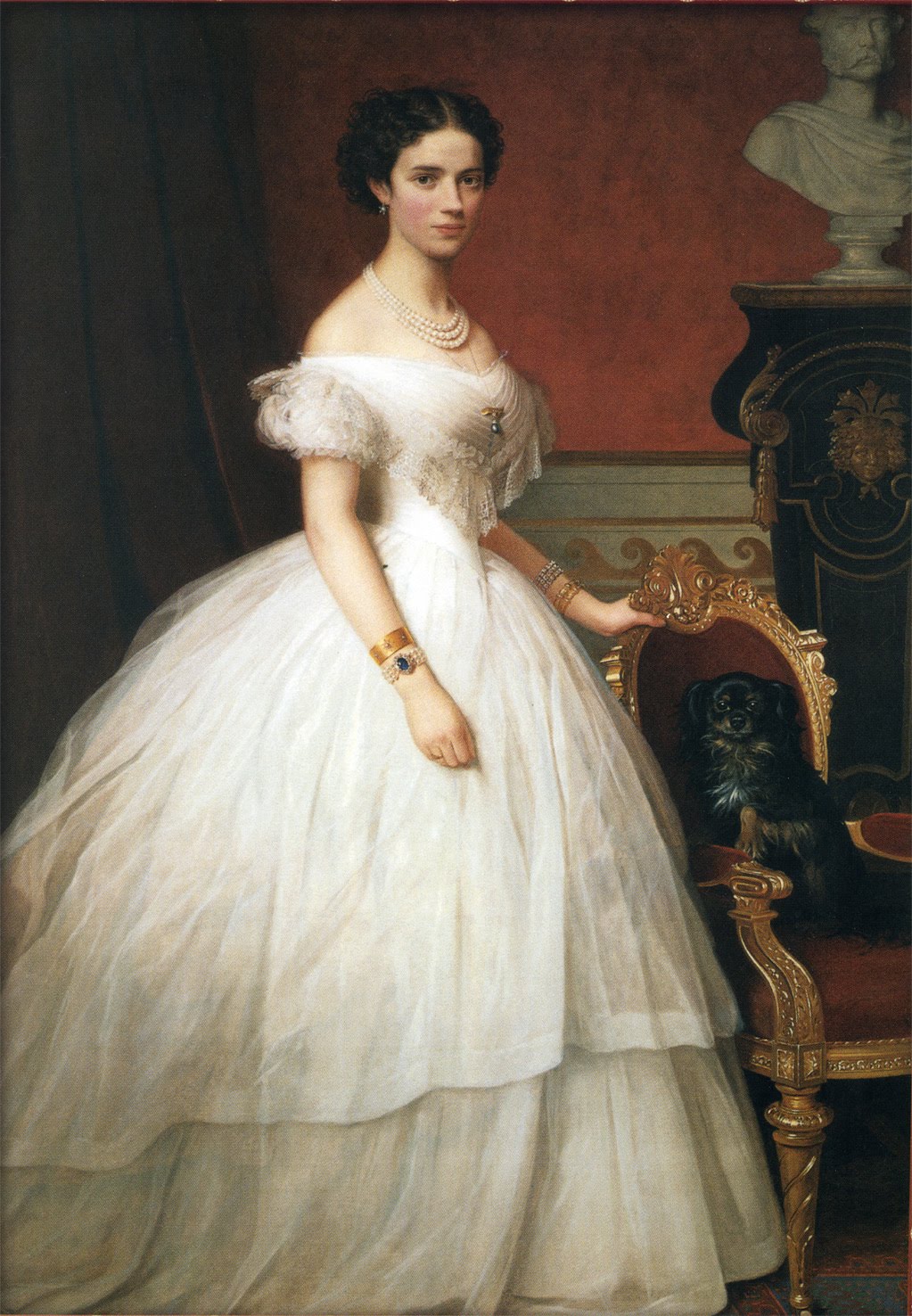
Last month we explored the life of Louise Hesse-Kassel, one of the most connected royal mothers in the nineteenth century. And we previously looked at Queen Alexandra’s life as one of Britain’s most glamorous queens. It is finally time- we are now spending October with Maria Feodorovna, aka Dagmar of Denmark. Once the Tsarina of Russia, she escaped one of the bloodiest revolutions in the modern period, with her once glamorous life ending in tragedy. Onto our October Consort of the Month: Maria Feodorovna!

Consort of the Month: Maria Feodorovna
Birth Date: 26 November 1847
Death Date: 13 October 1928
Tenure: 13 March 1881 – 1 November 1894
Birth Name: Marie Sophie Frederikke Dagmar
Spouse: Tsar Alexander III of Russia
House: Glücksburg
Father: King Christian IX of Denmark
Mother: Queen Louise of Hesse-Kassel
Why Do We Know Maria Feodorovna?
If you are a millennial, you probably know Maria Feodorovna from Anastasia. Yes, the animated movie. Anastasia spends most of the movie trying to prepare herself to meet the former Empress and convince her that she is the grand duchess, and Angela Lansbury did a wonderful job in the role.
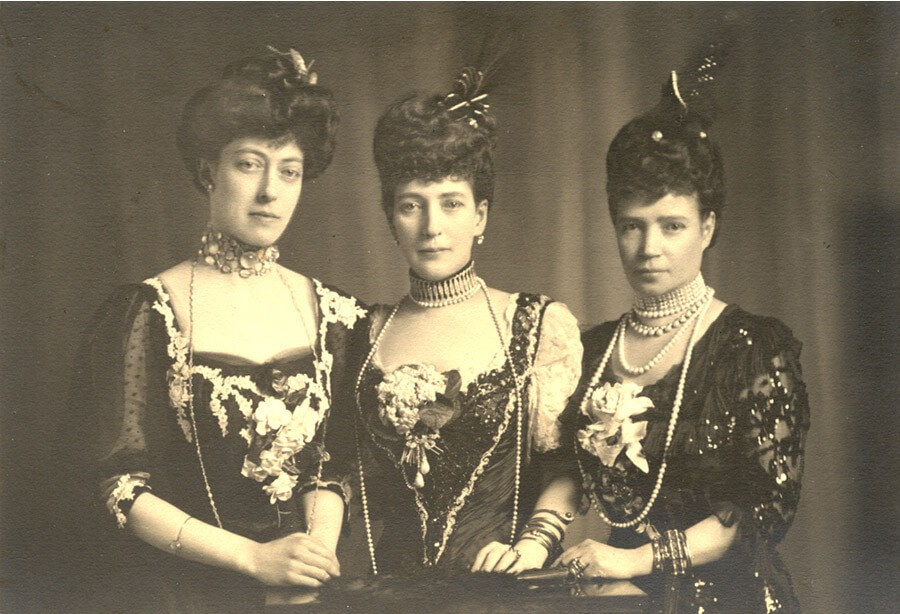
And if you have any interest in nineteenth and early twentieth century royals, you have probably come across her. Alexandra and Minnie (as she was known as) spent much of their time together in adulthood, despite the United Kingdom and Russia being rather far apart. (She will pop up in the records as both Maria Feodorovna and Minnie.)
Maria Feodorovna’s early life
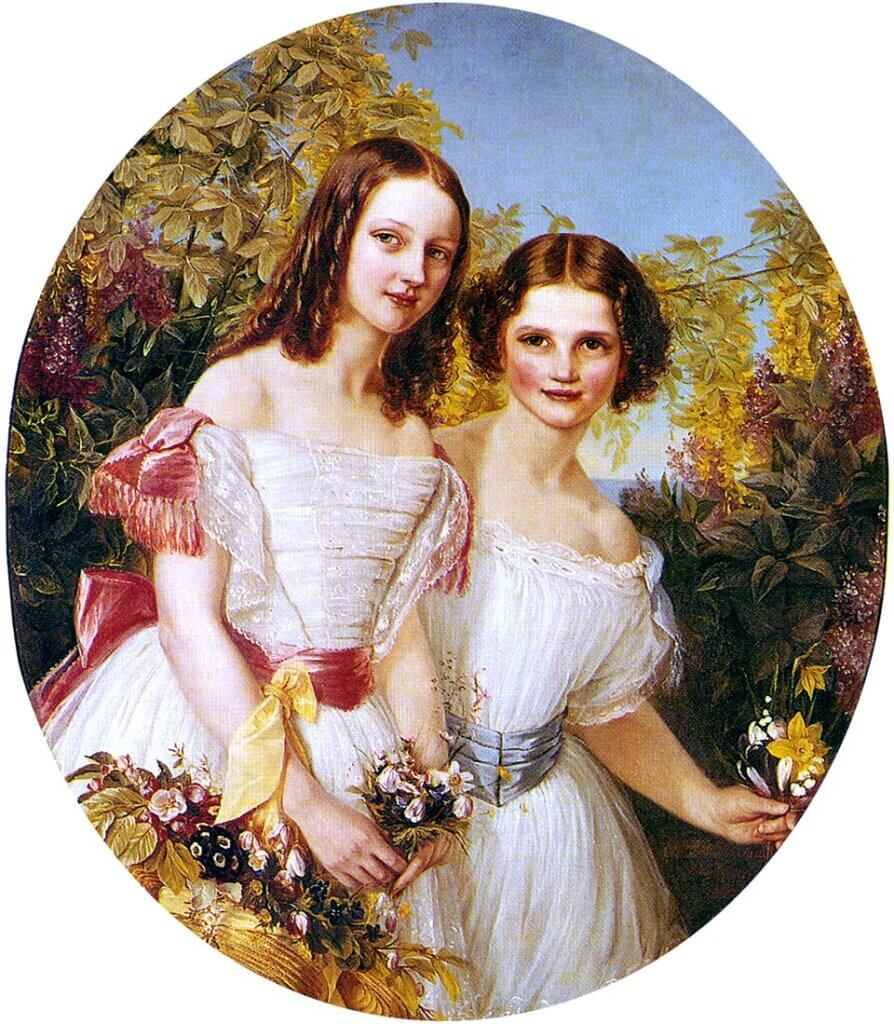
Minnie was born in 1847 to the future King Christian and Queen Louise of Denmark; she emerged into the world in the Yellow Palace in Copenhagen and was their second daughter and fourth child. From early on, Minnie was close with her older sister, Alix. The family had a relatively low-key life in her early years, with only her father’s military salary as income. The young princesses received a fairly standard education for aristocratic girls of dancing, painting, drawing, and several languages (including German, French, and English). Their father also ensured that they had physical education, a rarity of the period.
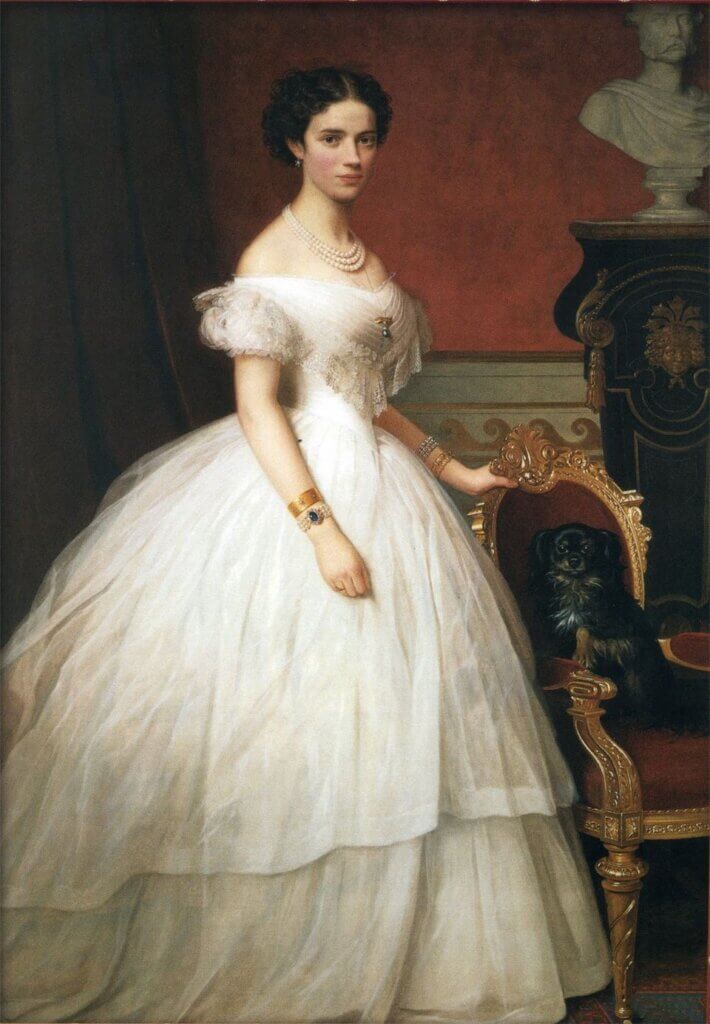
When she was 16, her father became the King of Denmark and Minnie found herself one of the most eligible princesses across Europe. Many royal suitors sought her out, allowing her to have some choice (not always possible for royals).
From one Tsarevich to another
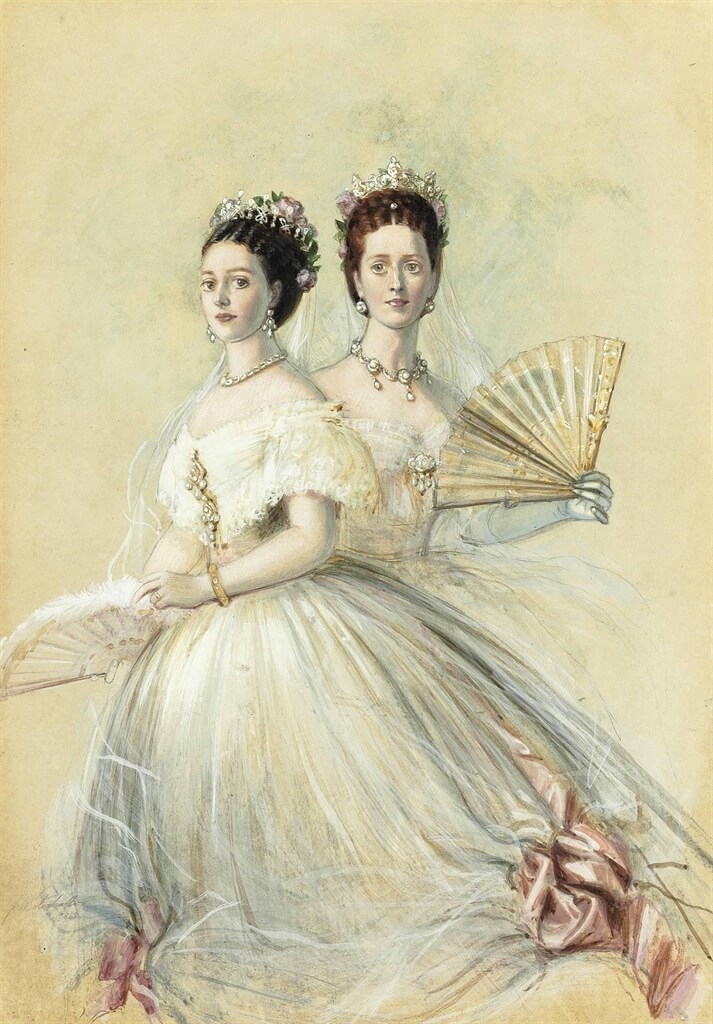
In 1864, Tsarevich Nicholas of Russia visited Denmark to hopefully light a spark with Minnie. Both the King and Queen of Denmark and the Tsar and Tsarina of Russia were in favour of the match, but although each had photos of the other, Minnie and Nicholas had never met. In September of that year, Nicholas proposed, Minnie accepted, and engagement gifts were exchanged. It was a strong match for both families, granting both further connections. Nicholas then set out across Europe and unfortunately fell ill; he died in April of 1865, with his final wish asking Minnie to marry his younger brother.
The Tsar and Tsarina supported this new plan, although Minnie was still distraught over Nicholas’ death and the younger brother in question, Alexander, was in love with someone else. However, Alexander finally travelled to Copenhagen in June 1866, and Minnie accepted his proposal. Upon her arrival in Russia, Minnie quickly became studying the Orthodox religion and officially converted in October 1866; she then was known as Grand Duchess Maria Feodorovna, though many called her Marie.
Minnie’s mother-in-law struggled with ongoing health issues, making Minnie the de facto leading lady at court. The newlywed couple were quite happy together, and they had six children together: Nicholas, Alexander, George, Xenia, Michael, and Olga.

Life as Empress
In March of 1881, the Tsar was killed in an attack when revolutionaries launched a bomb at him. Alexander, Minnie, and the rest of the family were with the Tsar as he died shortly after from blood loss. The couple were now Tsar/Emperor Alexander III and Tsarina/Empress Maria Feodorovna.
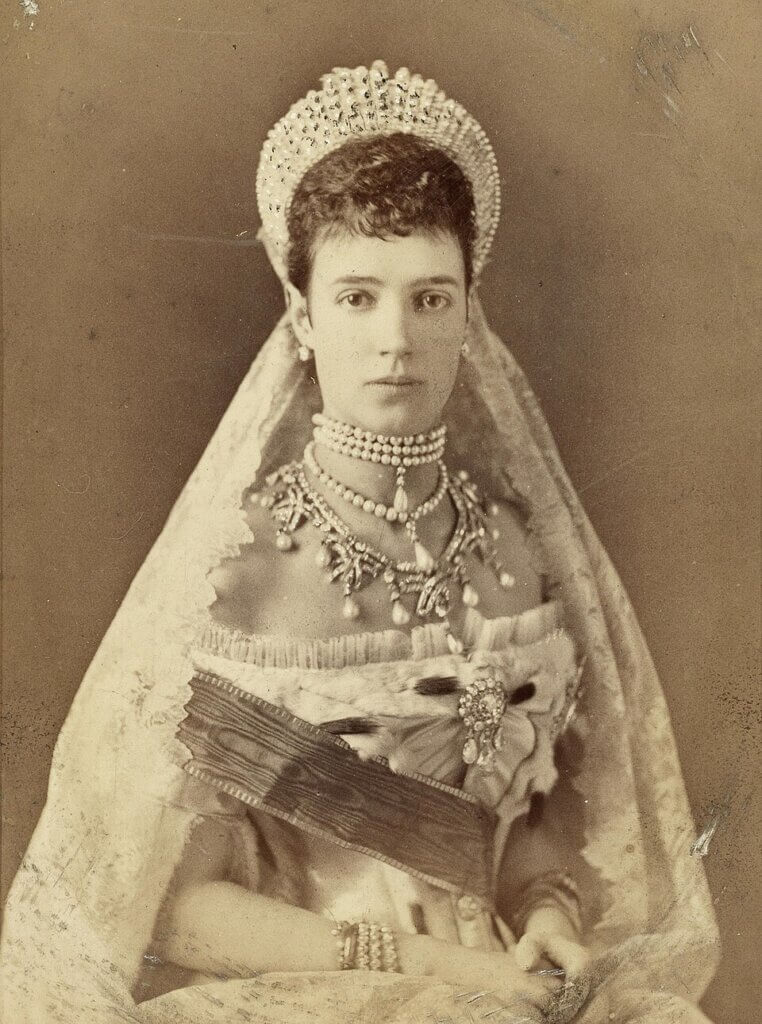
Despite the tragic nature of Tsar Alexander II’s death, Minnie took to her new role as empress. She was incredibly popular, due to her continual philanthropic work and her busy social life. And like her elder sister, Alexandra, the Empress was considered to be the height of fashion with many women at the Russian court mimicking her style.
In the early 1890s, the couple’s oldest son, Nicholas, decided he wanted to marry Princess Alix of Hesse. Neither Alexander nor Marie approved of the match, though the Tsarevich persisted.
A Widow, A War, and A Revolution
Everything changed on 1 November 1894 when Tsar Alexander III died. Only 49, the Imperial family was not prepared for the swift change. Nicholas chose his mother’s birthday, 26 November, as the day that he and Alix would marry. (One might find that a tad unfeeling given that her husband unexpectedly died young, but they were an odd family…)
The dowager empress remained incredibly popular with the public, while Nicholas and Alexandra were not. While she first helped advise her son in the early years of his reign, she began spending more and more time abroad, especially with Alexandra. She was not particularly close with her daughter-in-law, and preferred to spend time elsewhere.
During the first world war, the dowager Empress dedicated much of her time to working with the Red Cross as President of the Russian organisation. She also financed different trains and hospitals during the war,
Minnie was in Kiev when the revolution broke out in 1917, and her family encouraged her to travel to the Crimea. She sadly never saw her son, daughter-in-law, and grandchildren again, and died believing that they had not been murdered but instead were being held elsewhere by the Bolsheviks. She died in 1928 of heart failure, living at home in Copenhagen once again.
Maria Feodorovna: Interesting Facts
– Author Hans Christian Anderson was among the crowd who saw her off on her voyage to Russia.
-Notably, she was not a fan of Rasputin, the mystic and cleric that her daughter-in-law depended on.
-Maria Feodorovna did not believe that Anna Anderson was her youngest granddaughter (despite much of the world thinking she was).
– Her remains were not re-interred with her husband’s in Russia until nearly 80 years after her death.
Interested in more book previews, period dramas, royal news, and more? You can subscribe to my biweekly substack newsletter here: https://anhistorianabouttown.substack.com/!
Further Readings/Listenings on Maria Feodorovna
Hall, Coryne. Little Mother of Russia: A biography of the empress Marie Feodorovna (1847-1928). London: Shepheard-Walwyn, 1999.
Looking for my earlier Consort of the Month posts? Read about:
Queen Charlotte of Mecklenburg-Strelitz
Queen Marie Antoinette
Catherine de Medici
Queen Adelaide
Catherine de Valois
Marie de Guise
Queen Alexandra of Denmark
Empress Josephine of France
Queen Elizabeth of York
Queen Elisabeth de Valois
Queen Catherine of Braganza
Queen Caroline of Brunswick
Queen Josephine of Leuchtenberg
Elizabeth Stuart
Queen Elisabeth of the Belgians
Saint Margaret of Scotland
Queen Maud of Wales
Empress Sisi of Austria
Queen Marie of Romania
Queen Astrid of Belgium
Queen Maria Eleanora of Brandenburg
Queen Ena of Spain
Queen Mary of Modena
Sophia Dorothea of Celle
Queen Anne of Austria
Queen Louise of Hesse-Kassel
I hope you have enjoyed Consort of the Month: Maria Feodorovna!
Cheers,
The Historian
Facebook | Threads | Instagram | Pinterest

.jpg)