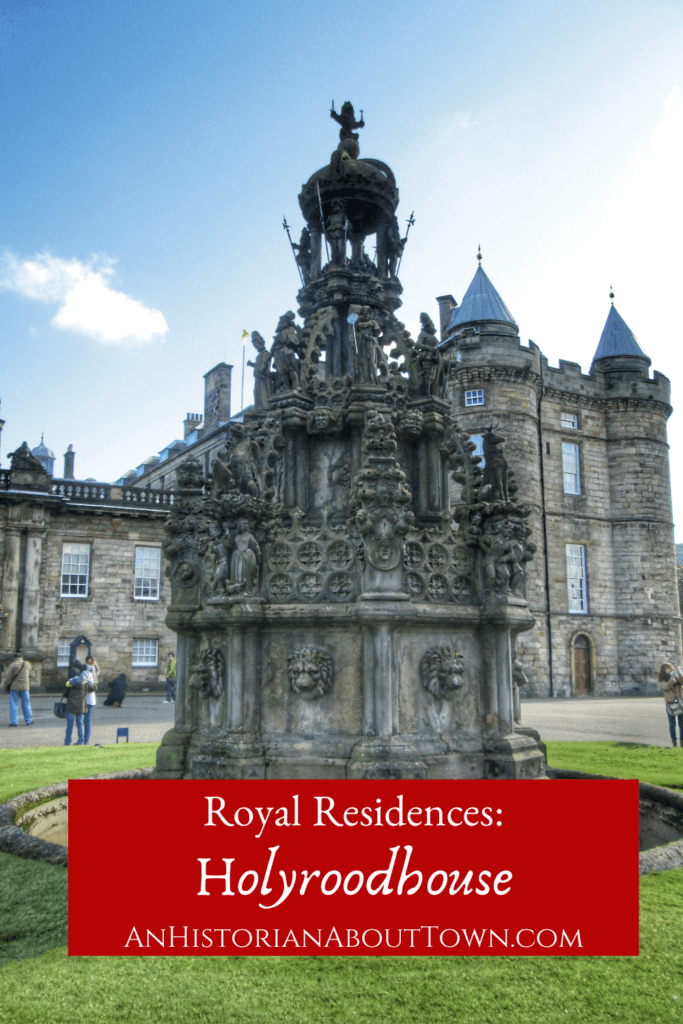
Other than a few exceptions, palaces tend not to be heavily associated with one particular royal. (Versailles and King Louis XIV is one of the exceptions that springs to mind.) However, for Women’s History Month I wanted to find a palace that did have a strong association with a female monarch. And I think that a palace connected strongly with Mary, Queen of Scots absolutely fits the bill. (Though it is certainly a sad connection.) For our October working place history, we have the History of the Palace of Holyroodhouse!
The History of the Palace of Holyroodhouse
The Early History of the Palace of Holyroodhouse
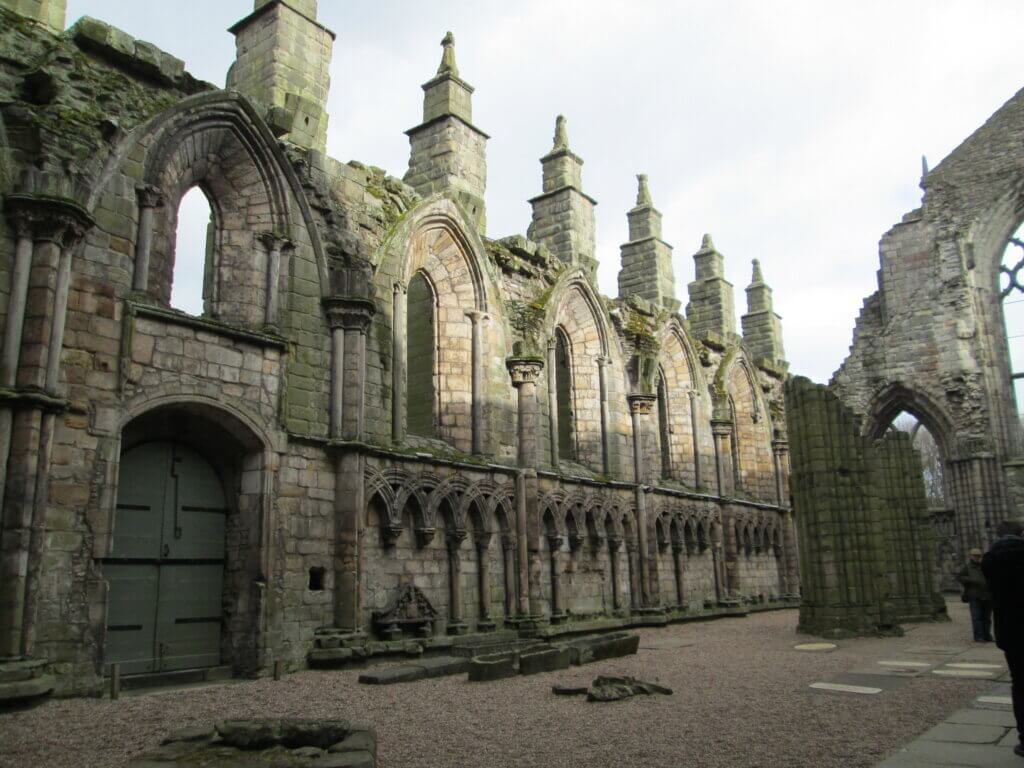
King David I of Scotland (son of Saint Margaret of Scotland) founded an Augustinian Order on the site, Holyrood Abbey. Given that it was fairly close to Edinburgh Castle (just down the Royal Mile), it would serve as an important administrative site from the thirteenth to fifteenth centuries. In addition to royal administration, the Scottish parliament also met at the Abbey several times. By the fourteenth century, Scottish kings (and their families) were using Holyrood Abbey for both weddings and burials.
The original royal lodgings were part of the Abbey’s guesthouse; it was not until the fifteenth century that a separate royal residence was built.

A Gothic End to the Royal Mile
At the turn of the fifteenth century, King James IV decided that a new palace was needed; this new Gothic palace would firmly punctuate the end of the Royal Mile. He married Margaret Tudor (sister to the future King Henry VIII) in 1503 in Abbey, and they called the new palace home.
The palace was built in a quadrangle (aka a square) and it largely retains this layout today. This new palace included the king’s apartments, the queen’s apartments, a chapel, a gallery, and a great hall.
In the late 1520s and 1530s, King James V decided to add to the castle. James V’s Tower is now the oldest surviving piece of the palace and was originally surrounded by a drawbridge and moat. Unfortunately much damage was taken in the 1540s during the war with England though Mary de Guise did have much of it rebuilt.
Mary, Queen of Scots Arrives Home
Mary, Queen of Scots is one of two queens strongly associated with Holyrood, although she spent less than seven years living in Scotland as Queen. (She arrived at Leith in August of 1561 and fled Scotland in May 1568.) However, she physically left her mark on Holyrood.
Mary established her own apartments at Holyrood in James V’s tower upon her return (you can visit them now).
The Scottish Queen added an archery range and had a flock of sheep on the estate. Notably, Mary hosted the preacher John Knox in her apartments several times for private audiences.
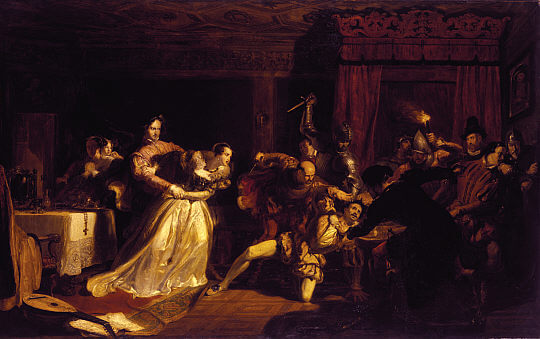
She married her second husband, Henry Stuart, Lord Darnley, in her private chapel in 1565. The marriage turned sour quickly, though. Her secretary, David Rizzio, was stabbed repeatedly in her chambers where he died when Darnley and several other nobles threatened Mary. (You can see a stain on the floor of her chamber now- whether or not you believe that is a stain from Rizzio’s blood is up to you. After Darnley’s death, she also married her third husband, James Hepburn, 4th Earl of Bothwell, at Holyrood in 1567.
Interested in more book previews, period dramas, royal news, and more? You can subscribe to my biweekly substack newsletter here: https://anhistorianabouttown.substack.com/!
A Restored Palace
King James VI of Scotland used Holyrood as his home when he came of age and was able to rule for himself. However, he and his family left for England after the death of Queen Elizabeth and he became King James I. His son, King Charles I, did not use it for his court, either. In 1650 the palace suffered significant damages from a fire during Cromwellian occupation.
King Charles II did have much of Holyrood rebuilt to highlight Edinburgh as a royal capital. His brother, the future King James II, did stay at the palace in the late 1670s and 1680s and built a strong vice-regal court there but by the late 1680s, the palace was largely destroyed by anti-Catholic mobs.
In 1745, Charles Edward Stuart, aka Bonnie Prince Charlie used Holyrood as a home for his rival court as he supported his father. However, after the Jacobite Rising was crushed, he left.
King George IV was the first monarch to show interest in Scotland and Holyrood in decades. Although he did not stay there, he hosted gatherings there on his visit to Edinburgh and put significant money into restoring it. Notably, he would not allow any changes to Mary, Queen of Scots’ chambers. Queen Victoria also dedicated significant funding to further restoration work and by the 1870s, she was able to stay there.
Royal Week: Holyrood in the Spotlight
King George V set about modernising Holyrood, ensuring that central heating, new bathrooms, and electricity were installed.
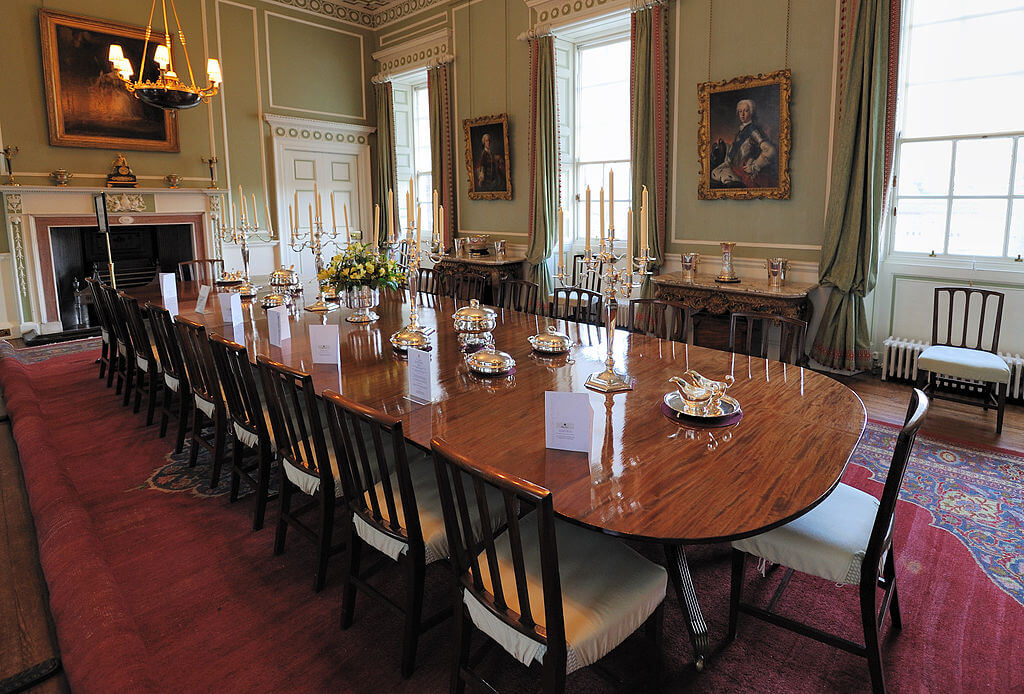
The British sovereign now always spends a week at the Palace of Holyroodhouse in late June/early July. During the week, they host a garden party at Holyrood and other gatherings to celebrate Scottish community and culture, and spend time at engagements in Edinburgh and the surrounding area. The week, also known as Holyrood Week, can also include a Service for the Order of the Thistle. In 2024, Royal Week was sadly cut short due to the UK general election.
Holyrood was also in the spotlight in September 2022 when Queen Elizabeth II passed away at Balmoral. Her body laid in repose in the Throne Room on 11 and 12 September before it left for St. Giles’ Cathedral.
Want to know more about the history of other royal palaces?
The History of Buckingham Palace
The History of Amalienborg Palace
The History of the Palace of Brussels
The History of the Royal Palace of Madrid
The History of the Huis Ten Bosch Palace
Have you visited the Palace of Holyroodhouse in Edinburgh?
Cheers,
The Historian
Facebook | Twitter | Instagram | Pinterest | Threads