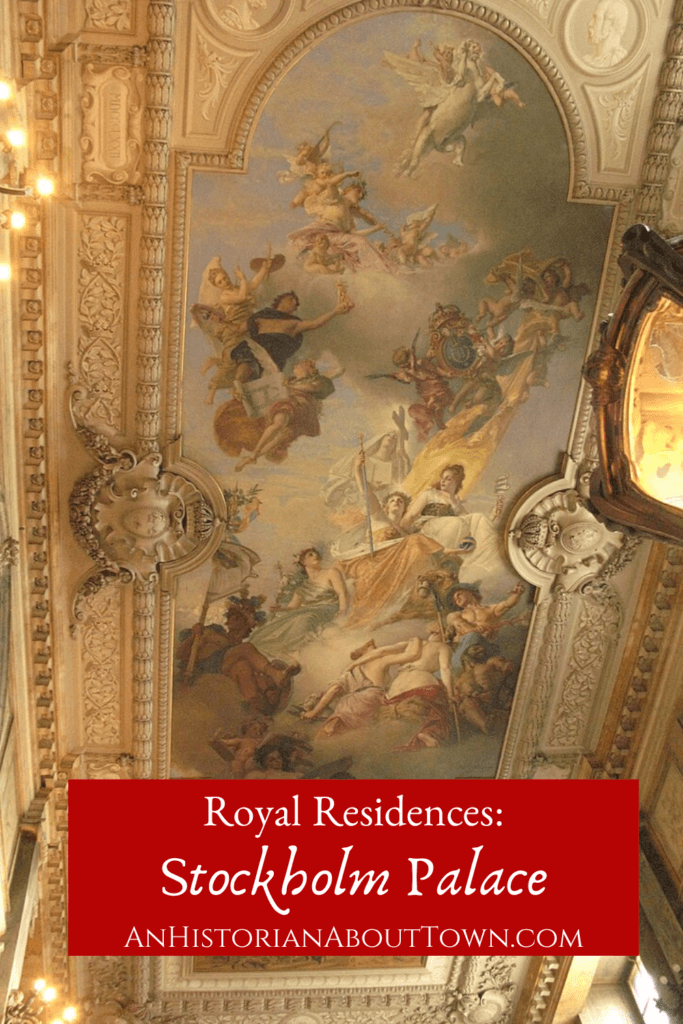
We are sticking around in Scandinavia for our royal palaces history series this month- to Stockholm we go! (It seems thematically appropriate to explore a Scandinavian palace during December.) Although the current Swedish royal house of Bernadotte began its reign in 1818, the royal palace was inaugurated over sixty years before. Stockholm Palace is not the “youngest” palace in Europe but it also is not the oldest. However, this palace is the oldest palace still being used for its original purpose. Let’s dig into the history of Stockholm Palace, home to the Swedish Royal Family!
The History of Stockholm Palace
Tre Kronor (Three Crowns Castle)
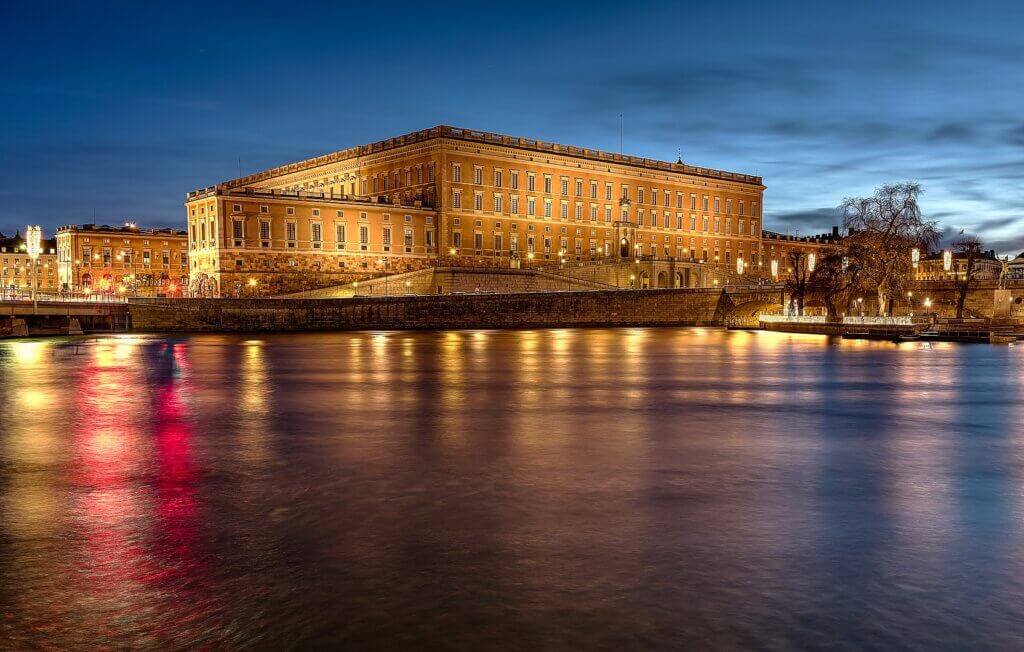
The first royal home built on this site was a thirteenth century fortress. The fortress was continually expanded and reinforced, and grew into the Three Crowns Castle (or Tre Kronor). (That name may have been given during the reign of King Magnus Eriksson but that has not been confirmed.)
The castle was the seat of the Swedish monarchy for centuries until a fire in 1697 destroyed everything. The royal family was able to escape the fire but the large majority of the castle burnt down. It was not only a royal home that was lost, though. The country’s archives and national library were also held at Tre Kronor and were also lost.
A Baroque Palace is Born
Although King Gustavus Adolphus had planned to build a new palace at the beginning of the seventeenth century, he was not able to build anything new. His daughter, Queen Christina, made extensive changes to Tre Kronor. This was all lost with the fire, though.
King Charles XII turned to Nicodemus Tessin the younger, a Swedish architect, to create the plans for a new palace on the site.
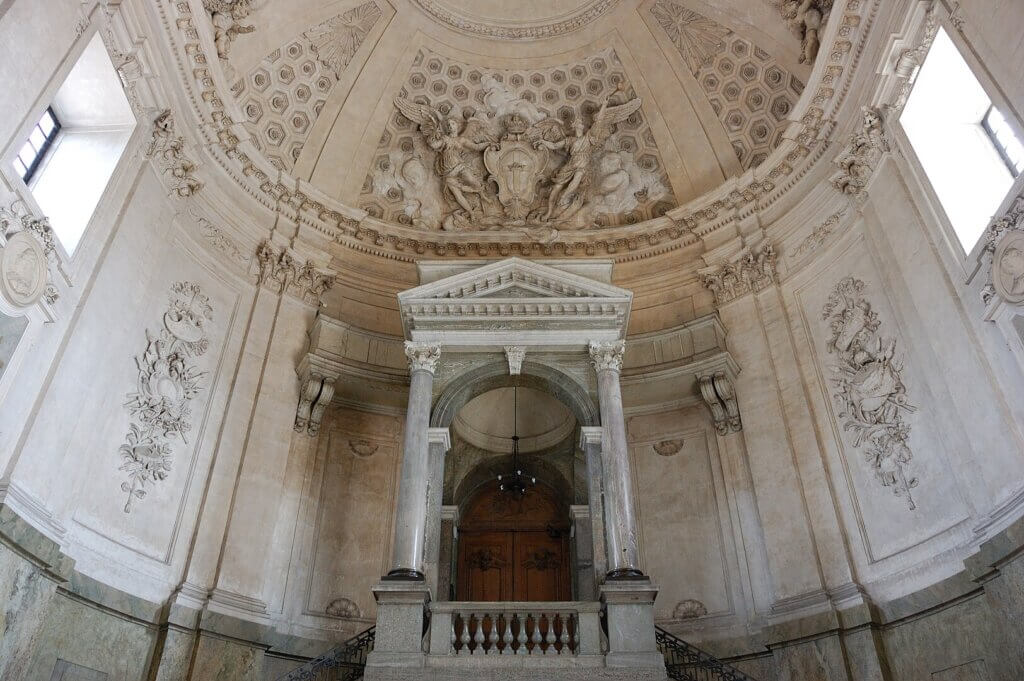
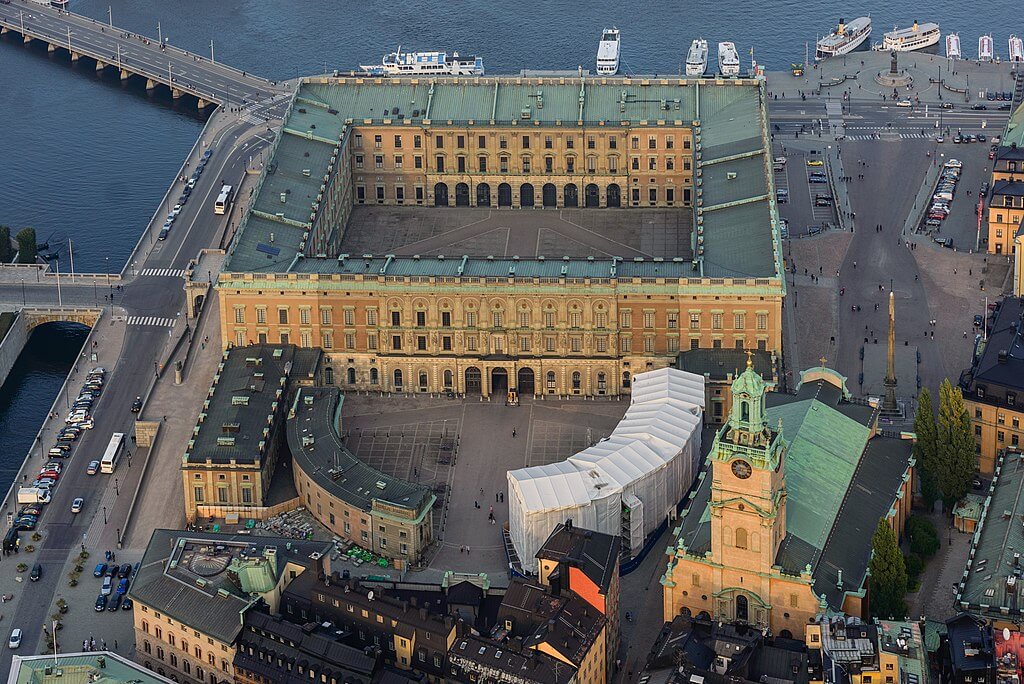
Tessin began working on plans for the new palace immediately, and a year after, the remaining ruins of the old castle were starting to be removed. Tessin had started building what we now know as the North Wing in the early 1690s, and the remnants of this Baroque wing were used as the basis for the new wing. His design featured four large wings in a square (north, east, south, west) with smaller wings added, as well as two semi-circular, detached wings.
Continual Construction and a Move to the Rococo
Construction largely stopped in 1709 after King Charles XII lost several battles, a costly endeavour. In 1727, the government then granted money to continue building but Tessin died in 1728.
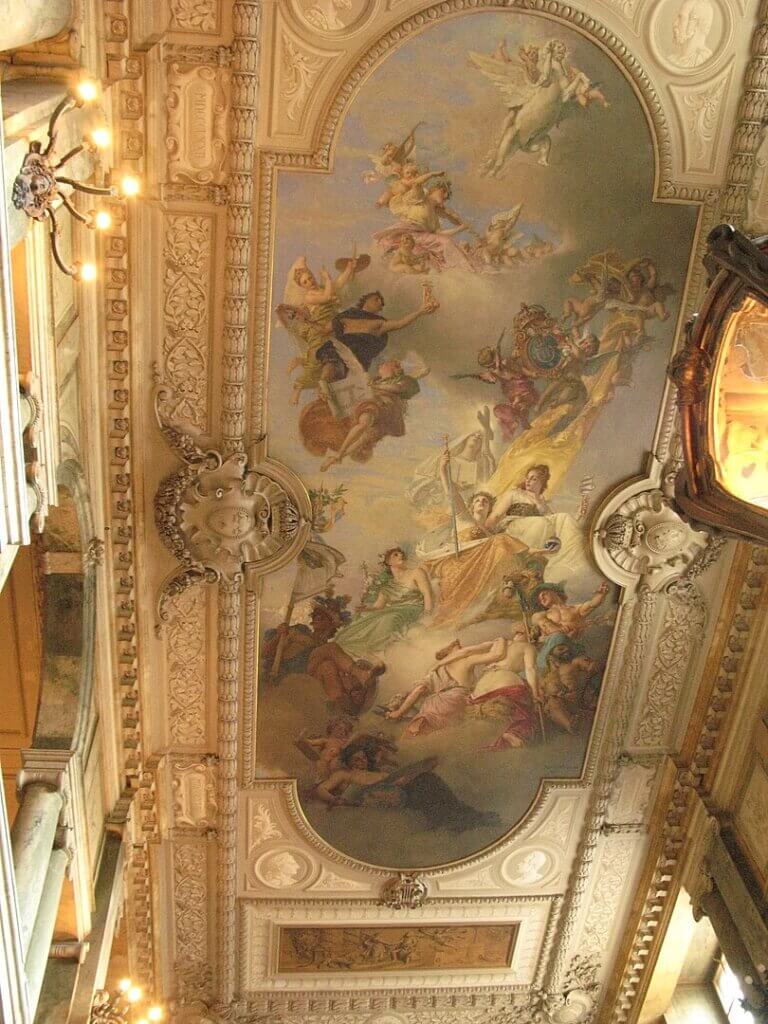
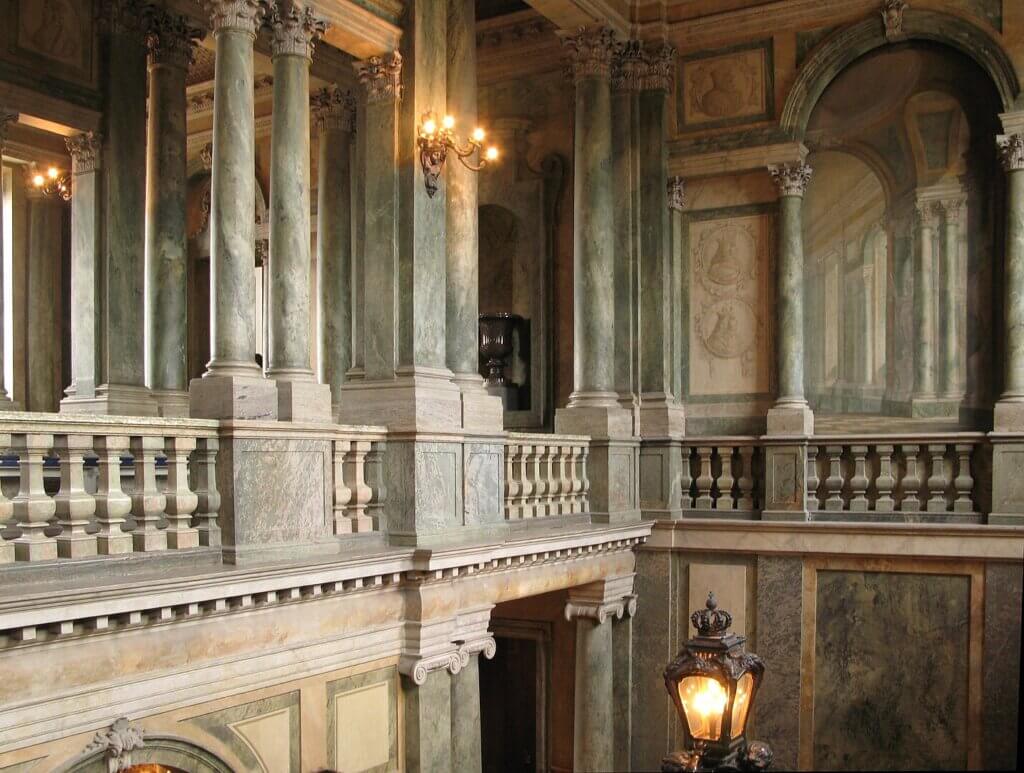
Architect Carl Hårleman took over the project in 1728, and as his tastes were more to the Rococo, the interiors (which he worked on) reflect this. The architect died in 1753, with the palace still not finished but the Swedish Royal Family was able to move in during Advent in 1754. Work continued for several years, including many exterior details such as statues. It was declared finished in 1771, though as with many other palaces- the world is never finished.
Notably, there have not been any major changes to Stockholm Palace. There have been modernisation projects and changes in decorating, but it largely remains as it was. The colour of the palace was changed several times, with treatments and paint being used to change the stone colour.
Interested in more book previews, period dramas, royal news, and more? You can subscribe to my biweekly substack newsletter here: https://anhistorianabouttown.substack.com/!
Four Themes
The four wings of Stockholm Palace each have their own theme, with the theme reflected in the statues and reliefs seen on the outside of the wing. The west wing or row represents the King, or “Male Qualities” and the east wing represents the Queen and “Female Qualities”. The north row represents Power, specifically the power of the monarchy in Sweden, while the south row represents the Nation.
An Office, A Museum, A Chapel
Stockholm Palace is not the private home of the Swedish monarch but rather the working office. (King Carl Gustaf and his wife, Queen Silvia, live in Drottningholm Palace.) The palace has over 1,400 rooms, including guest apartments that are used for incoming State Visits.
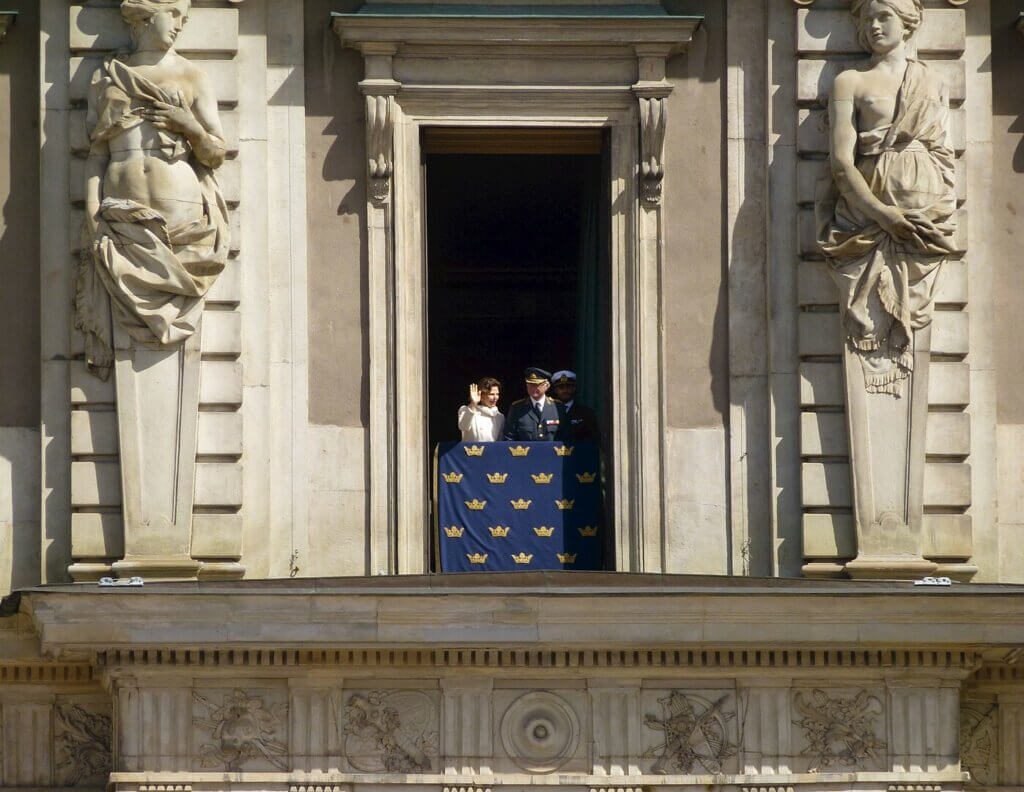
In addition to the King’s offices, the palace houses offices for other members of the Swedish Royal Family and the Royal Court, the Royal Chapel, and two different museums (the Tre Kronor Museum and Gustav III’s Museum of Curiosities). The Swedish Royal Family will often appear on the balcony at Stockholm Palace, and in the courtyard, for different ceremonial events.
Want to know more about the history of other royal palaces?
The History of Buckingham Palace
The History of Amalienborg Palace
The History of the Palace of Brussels

The History of the Royal Palace of Madrid
The History of the Huis Ten Bosch Palace
The History of the Palace of Holyroodhouse
The History of the Royal Palace in Oslo

Have you visited Stockholm Palace?
Cheers,
The Historian
Facebook | Twitter | Instagram | Pinterest | Threads