The news that Queen Camilla will be wearing Queen Mary’s crown from her 1911 coronation has stirred up many questions. Firstly, is it sustainable to re-wear a crown or is it simply common sense? Secondly, while it does side-step the issue of The Queen wearing the controversial Koh-i-Noor Diamond, she will be wearing pieces of the Cullinan Diamond. And that does have its own controversial history, albeit less than the Koh-i-Noor. As the largest diamond ever found in the world, it does draw quite a bit of attention. So, let’s dive into the history of the Cullinan diamonds for Style File Friday!

The Early History of the Cullinan Diamond
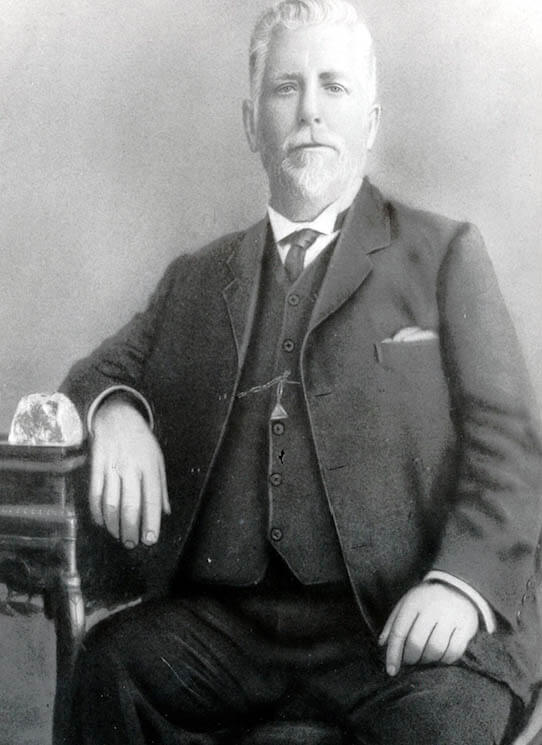
You will notice here that I referred to the Cullinan Diamond, singular. The Cullinan Diamond was the largest diamond ever discovered- it was over 3100 carats and was 10.1cm by 6.35cm by 5.9cm. It was discovered at the Premier Mine in 1905, a mine close to Pretoria in South Africa by the mine superintendent, Frederick Wells. Wells had assumed it was simply a crystal due to its size but collected the gem anyways. Luckily for him, it turned out to be the largest diamond found.
The Colonial Issue
The reason why the Cullinan Diamond(s) is questioned to this day comes down to Colonialism. While the British originally recognised the Boers, a group of Dutch settlers in South Africa, the discovery of diamonds changed that.
The Boers originally defeated Indigenous groups to take over part of South Africa and founded the Transvaal Republic. In the 1860s, a young Boer teenager discovered a diamond and was convinced to show the British colonial government. At that point, the British then decided that it was worth it to annex the area. (That is a very simplified version- the lead-up to the Boer wars is extremely complex, but I am hoping to stay on the topic of the Cullinan.)
The Premier Mine was established in 1903 in the area that the British conquered and took from the Boers.
Some calls have been made for the diamond to be repatriated to South Africa. However, some groups in South Africa have questioned whether or not it should belong to the South African government, or to Indigenous groups.
A Gift to the King
While there were attempts made to sell the diamond, the colonial government at the time decided to buy the diamond and give it to King Edward VII as a gift. The King and members of the government waffled on whether or not he should accept such a gift, but Edward was actually convinced by Winston Churchill that he should accept the gift. He was then presented with the diamond on his 66th birthday while celebrating at Sandringham.
Conquering the Cullinan
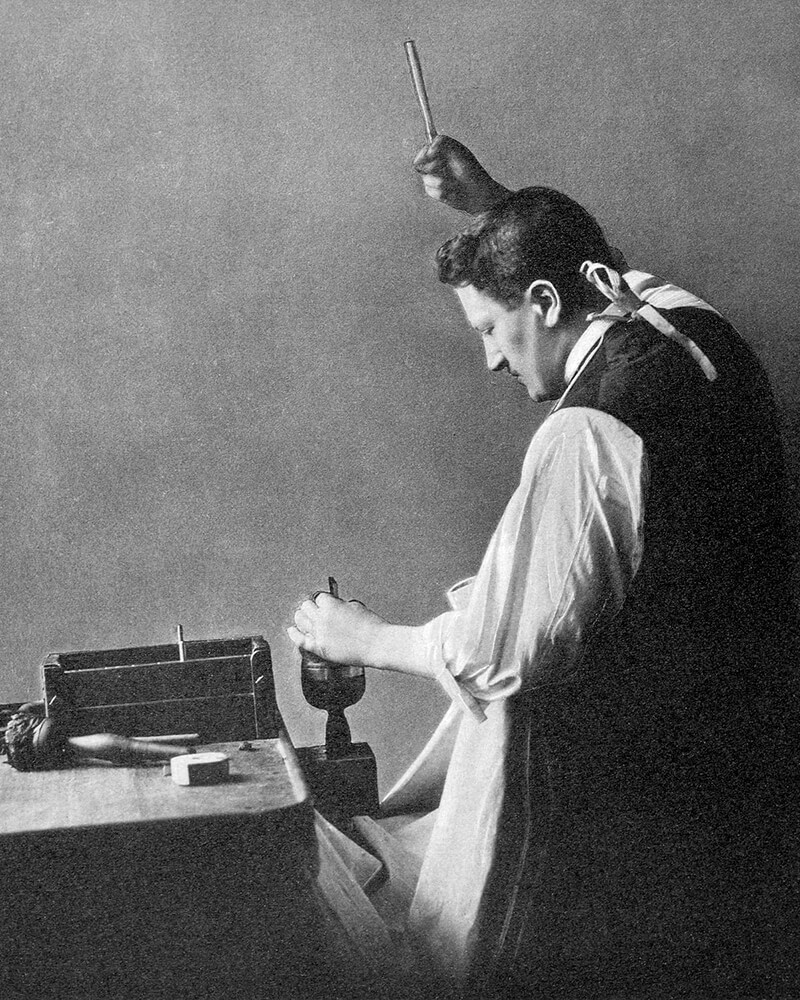
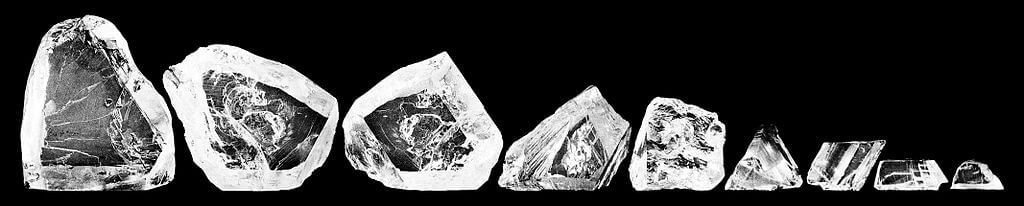
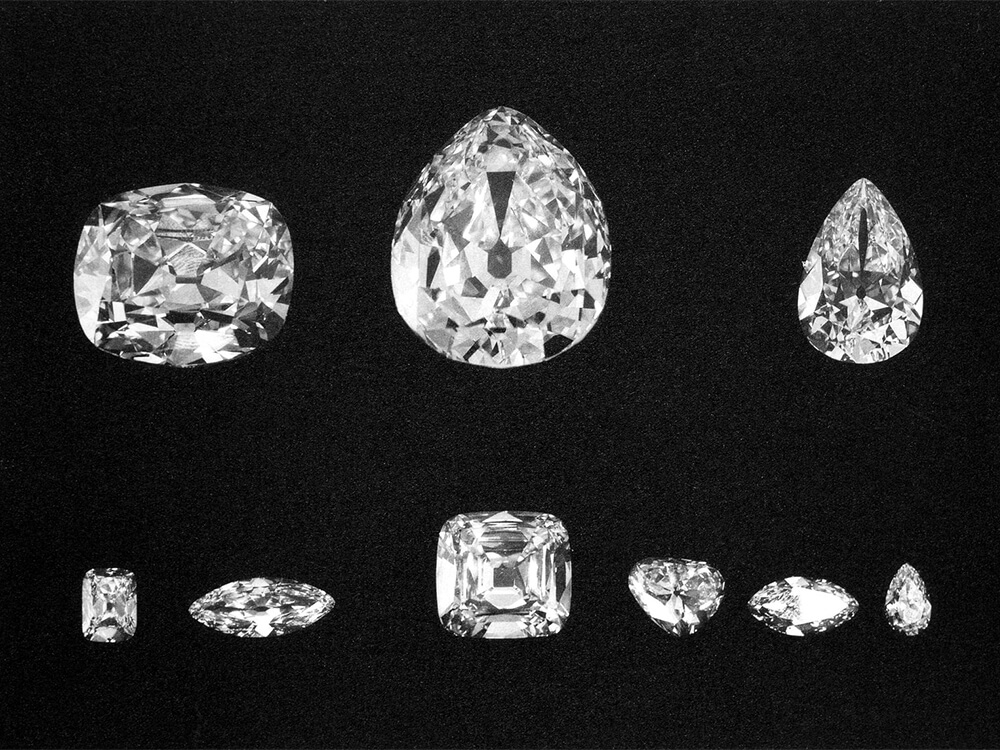
The King chose Dutch firm Joseph Asscher & Co to cut the diamond. Over an eight-month period, three different diamond cutters worked fourteen hours a day to cut the diamond into smaller pieces. There are nine substantial pieces from the Cullinan Diamond, known as the Cullinan I, Cullinan II, through to Cullinan IX. There are also nearly 100 smaller diamonds known as brilliants.
The Cullinan I, known now as the “Great Star of Africa”, is 530 carats and is a pear-shaped diamond. King George V had the Cullinan I set in the Sovereign’s Sceptre for his 1911 coronation, and it remains in the sceptre today.
The Cullinan II, known now as the “Second Star of Africa”, is 317 carats and is a cushion-cut diamond. It was set in the Imperial State Crown in 1911, and also remains there.
The Cullinans III and IV are now known in the British Royal Family as “Granny’s Chips”. The late Queen Elizabeth had the III and IV set in a brooch that she wore frequently throughout her reign. They will be re-set into Queen Mary’s crown for the May 2023 Coronation, along with the Cullinan V.
You can read more on the Cullinan on the Royal Collection Trust site!
Interested in learning more about royal jewels? You can find more in my Royal Jewellers Series:
The History of Garrard
The History of Boucheron
Next week, I will be covering the history of the Koh-i-Noor diamond, one of the most controversial pieces in the Royal Collection today.
Were you familiar with the history of the Cullinan Diamonds?
Cheers,
The Historian
Facebook | Twitter | Instagram | Pinterest