A new year means that new blog series are upon us. In 2022, my Platinum Jubilee series on Queen Elizabeth II’s best jewellery was by and far my most popular Style File Friday series. Seeing as how we have a coronation happening in just five short months, we should be seeing many historic tiaras, necklaces, earrings and more. (Fingers crossed…) I thought it would be the perfect time to hone in on the people behind these jewels. Let’s kick off this Royal Jewellers series for Style File Friday with the history of Fabergé.

Royal Jewellers
It goes without saying, we do not always know which jeweller has made what pieces. Firstly, some royal families- like the Windsors- like to keep their jewellery vaults fairly private and rarely release information on the pieces held within. Secondly, many of these pieces are more than two hundred years old and the provenance/jeweller is not always known or was even recorded. Thus there are probably several incredible jewellers that we won’t actually know of.
The Beginnings of Fabergé
If you have heard of an historic jeweller, there is a good chance it is Fabergé. (And if not Fabergé, it is Cartier- they are next in this series!) Although the Russian jewellery firm was known for their work with the Romanov family, they had patrons in royal families across the globe.
Gustav Faberge (no accent) founded the House of Fabergé in 1842 in St. Petersburg. The Faberge family originated in France and most likely emigrated in the late seventeenth century. Successive generations moved east, with Gustav moving to St. Petersburg in the 1830s to study goldsmithing. He opened his own shop, and established himself as a quality goldsmith. He married Charlotte Jungstadt in 1842 as well, and their son, Peter Carl Fabergé* was born in 1846.
*I have read the theory that the accent was added on the second e to appeal to the Russian court and nobility that were typically dedicated Francophiles, but I have not seen it confirmed anywhere.
Carl Fabergé
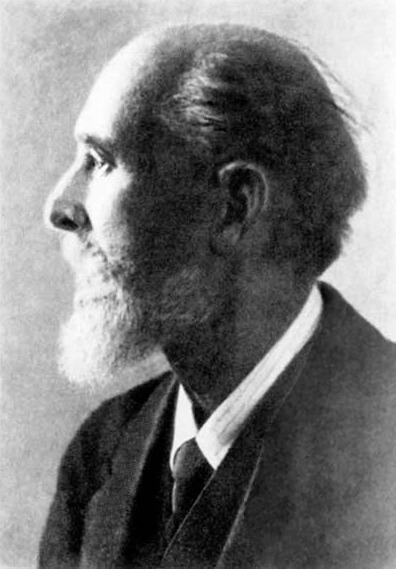
While Gustav was a good goldsmith, Peter Carl- known as Carl- was immensely talented. Carl followed a somewhat standard nineteenth century education for a young man of the middle-class. He studied at a respectable school with the sons of the affluent, and then at eighteen went on a Grand Tour of Europe where he met with and studied under notable goldsmiths across the continent. His father retired in 1860 and left the business to trusted managers. Carl studied under them until 1882 when he gained control of the firm.
By the time he took over the family business, Carl was a Master Goldsmith. He brought a Fabergé replica of a fourth century bangle to the Pan-Russian Exhibition in 1882 that immensely impressed Tsar Alexander III. The Tsar went so far as to have the Fabergé piece displayed in the Hermitage Museum along with the original.

The Fabergé Eggs
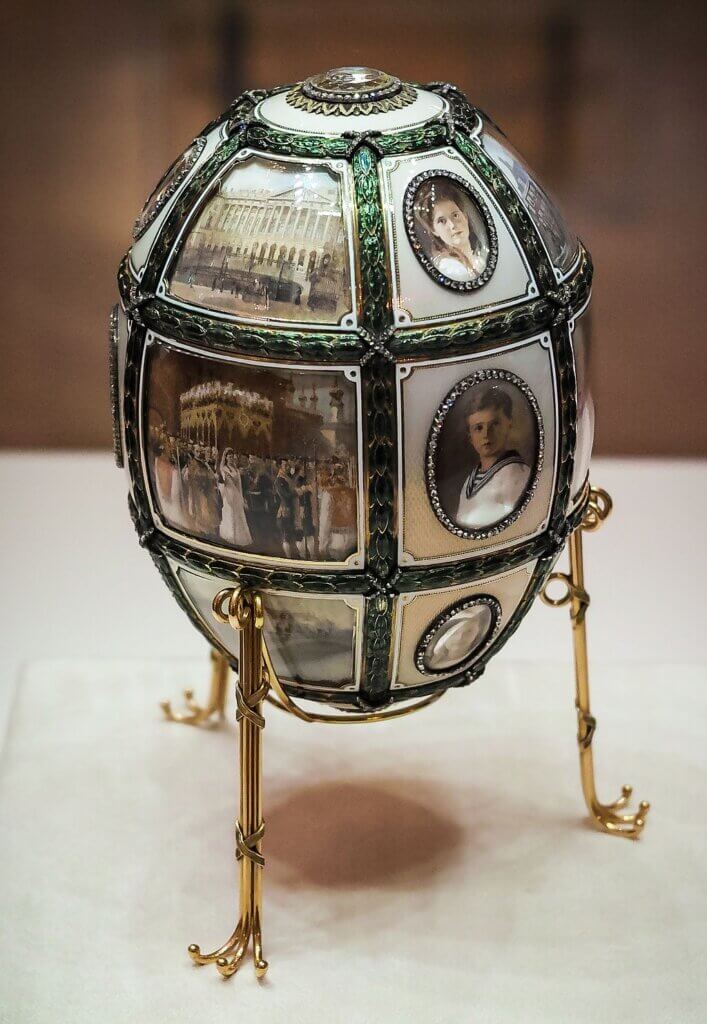
If you have heard of Fabergé, it is probably because of their eggs. Carl’s lasting legacy in the firm was the Fabergé Easter eggs created during his time as head of the firm. In 1885, Fabergé created the first egg, known as the Hen Egg. The Tsar gave it to his wife as an Easter gift, and the couple loved it so much that he placed an order for a new and intricate egg each Easter.
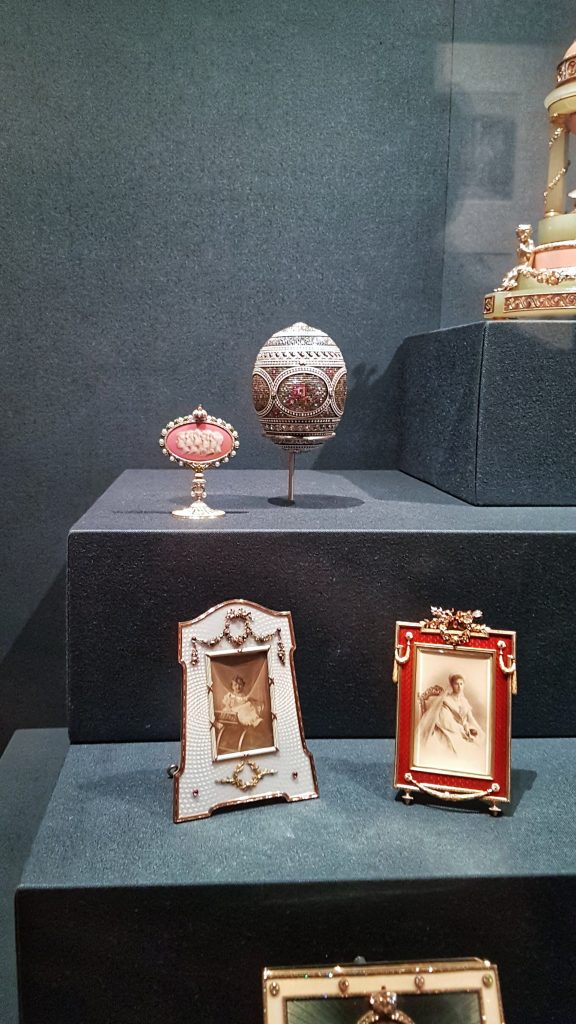
Fifty two Imperial Fabergé eggs were created and forty six of them have survived. Both Tsars Alexander III and Nicholas II had eggs created for their mothers and wives. I have seen the 1901, 1910, and 1914 eggs created for Alexandra Feodorovna (Nicholas’ wife) in person- they are as stunning as you would expect. The 1914 Mosaic Egg remains one of my favourites; the cameo inside is as beautiful as the jewelled egg itself.
A Royal Favourite
Under Carl, Fabergé branched out from standard jewellery to art pieces, as well other small trinkets and items. Given that the royal families in Europe continually intermarried, it is unsurprising that Fabergé quickly became a favourite across the continent and beyond. Tsar Alexnader III’s wife was born Princess Dagmar of Denmark, and her sister Alexandra was the future-Queen of England and daughter-in-law to Queen Victoria. Royals and aristocrats in Russia gifted Fabergé items to their relatives across the world, and demand skyrocketed. Fabergé had opened stores in Paris, London, and New York to satisfy their ever-growing client base.

The Russian Revolution
As one might expect, the Russian Revolution was not a good period for Fabergé. Being the abdicated and exiled Tsar’s favourite jewellery does not endear you to a communist government. The Bolshevik government nationalised Fabergé in 1918 and that was essentially the end of the road. Carl first escaped and made his way to Berlin. After being held prisoner for quite some time, his two sons escaped to Finland. His son Alexander, opened Fabergé & Cie in Paris to continue selling Fabergé items; the business closed in 2001.
The Empress Josephine Fabergé Tiara
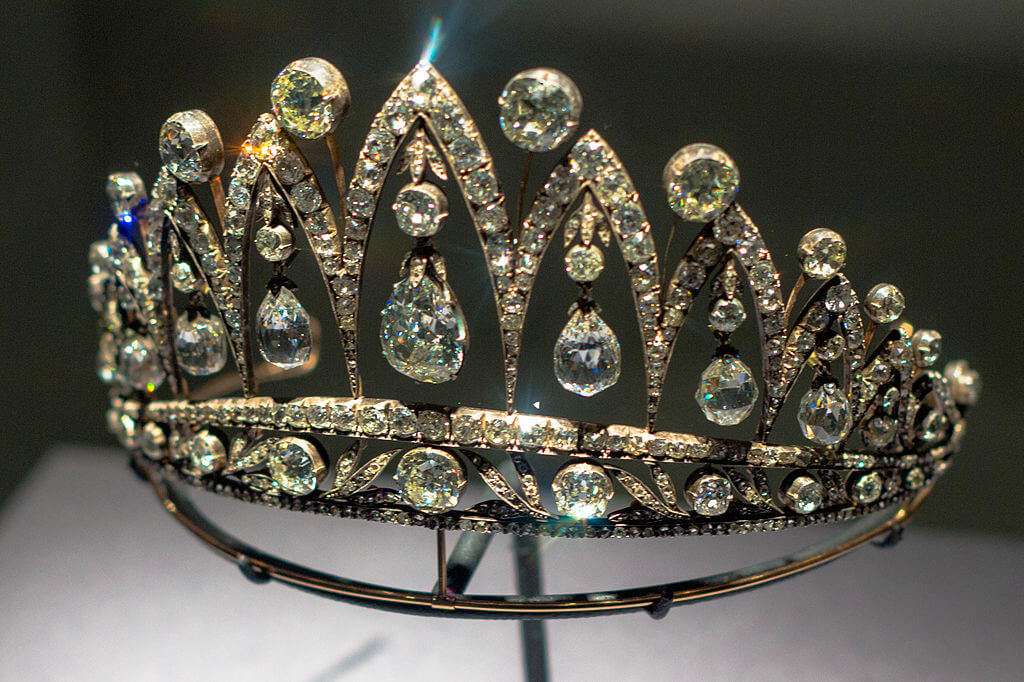
Given that Fabergé was not founded until 1842 and Empress Josephine died in 1814, it seems odd on the surface that the two could be connected. However, like many tiaras, it is named for the jewels included. Tsar Alexander I of Russia gifted several diamonds to the then-divorced Empress Josephine of France, quite a kind gift.
Her son Eugène, the Duke of Leuchtemberg, inherited the diamonds and commissioned Fabergé to make a tiara with them. Through a number of deaths and sales, the tiara moved to the Belgian Royal Family and then the Italian, and as of 2007 belongs to Dorothy and Artie McFerrin, American Fabergé collectors.
Were you familiar with the history of Fabergé?
Cheers,
The Historian
Facebook | Twitter | Instagram | Pinterest