This post has been requested by quite a few readers now, and it has been in the making for a bit. (To clarify for anyone new, this is travelling to see historic things, not travelling through time to history… If I accomplish that, you will know.) Depending on what you want to see and what your budget is, you can simply walk up to a location and head straight in. However, most sites will take some sort of coordination and planning, and quite frankly, some luck. These are the 4 historic travel tips to planning your trips and being able to see everything that you want!
I’ve got to say, I’m really enjoying all of the feedback that I’m getting from readers! I love hearing from you, and it’s always lovely to hear what readers want to read. After I published my first post, 5 Cultural and Historical Travel Tips, several of you wrote in to ask for more. And that I can do. I’ve actually helped a few readers (and friends and family) plan out different historic trips, and it’s one of my favourite puzzles. Figuring out what someone really wants to see and how exactly they can fit it all in, it’s a bit of a skill but it’s good fun. And hopefully these tips will help you get your next trip planned.
1) Know Your Must-Sees
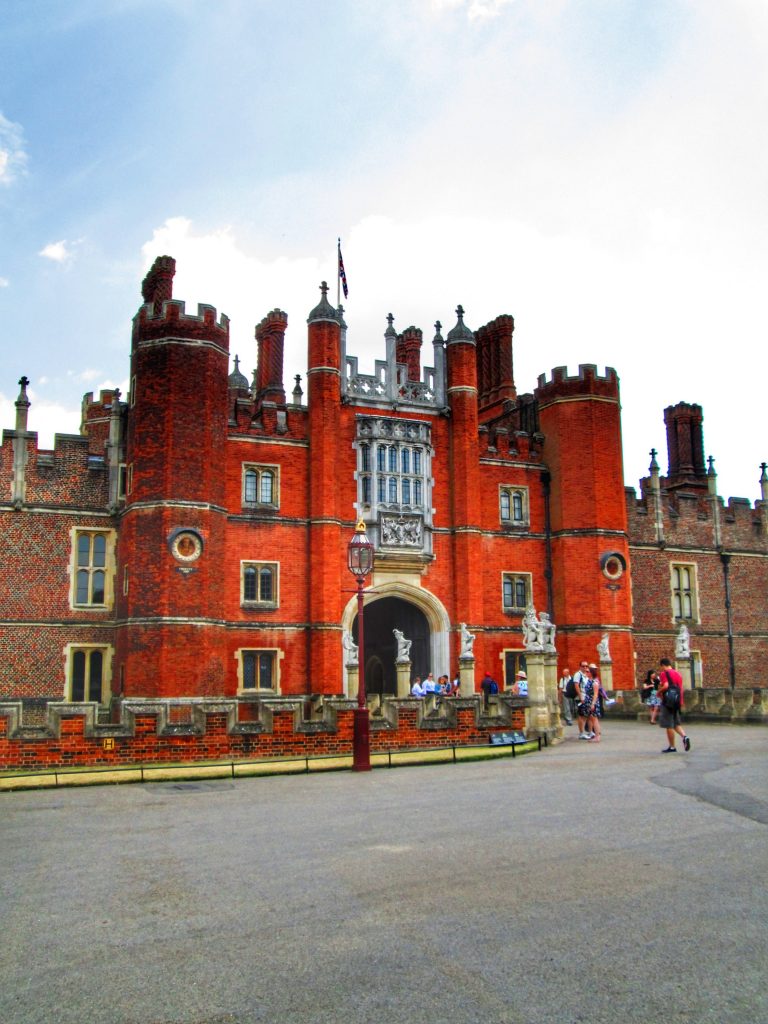
If there is something that you absolutely HAVE to see it, make it a priority. That seems obvious, but I’ve had many friends miss things because they slotted them in at the end of the day or the end of trip. Trains and buses are missed, places are closed, weather happens, the world can conspire against you. I knew that I wanted to see Banqueting House on this past trip, because the world had conspired against me several times already. So, after my Look Up London walking tour, I went straight there. And lo and behold, I saw Banqueting House!

This does lead me to a cautionary note, though: everything can’t be a must-see. If everything you’ve set out to see is a “OMG.I.NEED.TO.SEE.IT.OR.I.WILL.DIE.”, you will be disappointed. That’s reality, folks. And, sometimes your favourite discovery is an underdog, and it turns out your “maybe” destination is now your gold medal. Don’t make assumptions… (On this last trip, it was the Bath Assembly Rooms. I thought that it would be somewhat interesting to see, but it was enchanting.)

2) Pay Attention to Hours
I was chatting with Kristin from Royally Broke- as someone who lives in North America, you tend to take long opening hours for granted. Here, most museums will be open until 6-7pm, and many will have later hours on specific days. However, if you are travelling to the UK or continental Europe, you may be taken aback to discover that essentially everything closes at 5pm. I always try to fit three things in a day- morning, afternoon, and evening. You have plan incredibly carefully that you actually have something to do in the evening. If you are doing a day trip and arriving back in the city around 5, many things will be closed.

My recommendation is to always keep theatre/dance/performances for the evenings. There are also usually a decent amount of evening walking tours, as well. You may luck out and find a rare museum that is open late- the V&A has later hours than most, for example. Never assume anything will be open later than standard business hours, though. And if it is a venue that closes for private events (like Banqueting House), directly confirm for the day you want to go with the venue directly. There is no point wasting time going somewhere to find out it is closed, and potentially not being able to do something else.

3) Why Do You Want to Do This?
You will inevitably spend a good amount of time and money to see different historical sites. If there isn’t an outright entrance fee, there is usually a suggested a donation (and as an historian, you should understand why those are needed). And unless you can walk there in a reasonable amount of time, you are probably paying for transportation. (And if you are walking there and back, you are losing time to do that.) All of this is to say, ask yourself why you want to do or see something. If you don’t truly want to see it because you will enjoy it, it isn’t worth it.

I saw probably 10 different women walking through the Dior exhibition, bored out of their minds. It is a £24.50 ticket, which is not a particularly cheap ticket. And unless you were power-walking through it, it would take at least 45 minutes to do a quick pass through. One of the women periodically took a beaming selfie, and then returned to her exceptionally dour face, presumably to post on Instagram. If you aren’t going to actually enjoy going to see something, don’t waste your time and don’t waste your money. If nothing else, you could be using that time to see something you will actually enjoy.
4) Leave Free Time
I know that I have pretty good stamina on a trip, and can usually be on the go for 12+ hours, several days in a row. I couldn’t do it in my everyday life, but on a trip, I can make it happen. However, you don’t want to be miserable and exhausted from doing more than you can handle. Give yourself time to relax and take a break, and maybe sleep in or go to bed early. It’s frustrating to look back on a trip and think, “I could have fit in this or that,” but it is equally frustrating to grump your way through everything so there is no enjoyment.

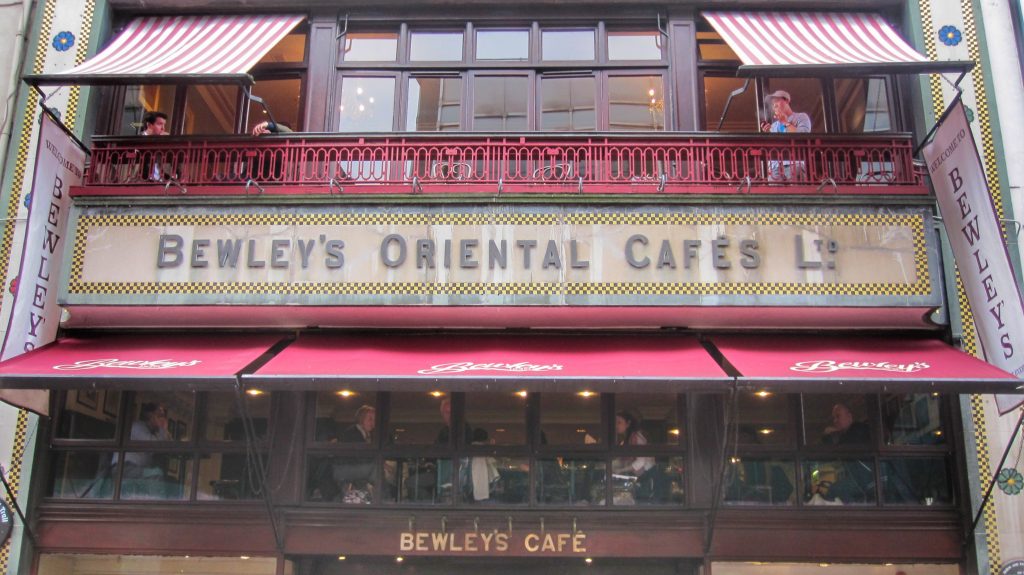
Free time also comes in handy for new discoveries. I would argue, if you are doing everything right, you will always make unexpected discoveries. You might discover a cafe you want to eat at, a local historic home, or half-priced theatre tickets. In any case, if you’ve planned your trip down to the minute, you probably won’t have time to do anything unplanned. I am a planner to the nth degree, but don’t plan to the point of being devoid flexibility. I promise, nothing bad will happen if you leave an afternoon or evening free for something spontaneous.
What are your favourite historic travel tips? What helps when you are planning your trips?
Cheers,
The Historian
Facebook | Twitter | Instagram | Pinterest | Bloglovin’

I love this! I studied abroad in London and loved being able to see so many historic sites. I so enjoyed just walking the streets and stumbling across historic homes.
London is amazing for that- although a lot of people complain that older Londons are disappearing, you can find hidden history on every corner and in every alley. There isn’t another city like it!