Beatrix Potter is a name that you hear around this time of year. “Beatrix Potter’s Peter Rabbit” is an Easter staple, and a children’s classic. Peter, Benjamin Bunny, Squirrel Nutkin, Mr. Jeremy Fisher, and more beloved characters keep generations of childrens and families enthralled. (And with the 2018 feature film, even more families are discovering Peter!) However, I think that the story behind it is even more fascinating. Beatrix Potter was a talented and impressive woman, and led a rich and fulfilling life. Hint: writing was not her only talent… So, who was Beatrix Potter exactly?

Beatrix Potter’s Early Life
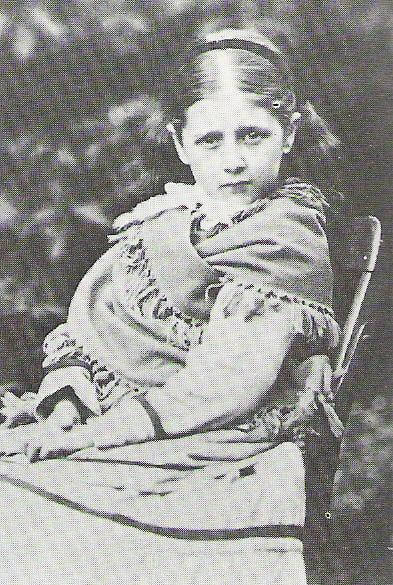
Helen Beatrix Potter was born in West Brompton on 28 July 1866, to Rupert William Potter and Helen (nee Leech). Her brother, Walter, was born in 1872. (Potter would live in the house until she married in 1913- unfortunately, the house did not survive the Blitz.) She came by her artistic talents honestly, as both of her parents pursued the arts.
Beatrix and her brother spent much of their childhood with family friends outside of the city. They had countless pets, including the rabbits, mice, and hedgehogs that would feature in her books. While she was mostly educated by three different governesses, she also had an art teacher. Beatrix was allowed to develop her different passions, and both art and animals would remain a priority for the rest of her life.
Early Artwork- “Drawn with Design”
I was lucky enough to see the Beatrix Potter ‘drawn with design’ exhibition at the V&A in 2019. It was quite small, rather a hallway than a full room. However, it was still a wonderful introduction to her artistic beginnings. According to exhibition info,
Potter was born into a family with artistic leanings and contacts, who encouraged her precocious talent. At twelve, in 1878, she started formal drawing lessons. By her teens, she was regularly visiting art galleries, commenting critically on the linework and colour skills of the artists whose work she saw exhibited.
Potter had kept sketchbooks from at least the age of eight, delighting in picturing her observations of places, objects and especially nature. Already they evidence the lively imagination and design instinct that resulted in her world-famous little illustrated books.
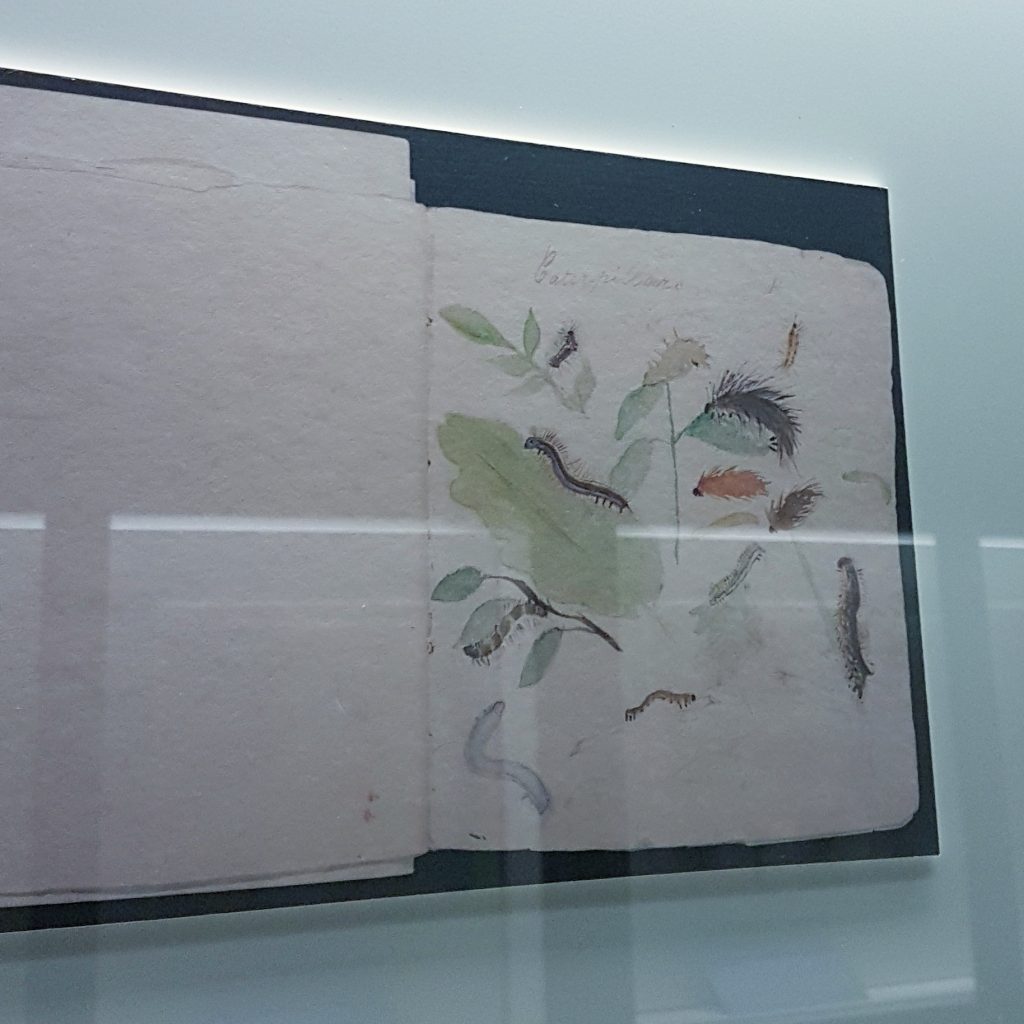
This 1875 sketchbook shows how talented she was to begin with. She paid great attention and care to the animals that lived in the world around her. You can see in her caterpillar and worm sketches that she sought to understand and explain the things that she saw. Her love of watercolours clearly started early in life.
Her 1876 sketchbook is one of my favourite Potter pieces. The personalities and stories that she assigned to these animals were evident from the beginning. As the exhibition also pointed out, her use of colour is quite strong- although many artists struggle with it, she more than understood it as a young child.

Botany and Mycology
Like many other Victorians, Potter was passionate about botany. She was interested in every area of natural science (aside from astronomy), but botany took first place. Unsurprisingly, she used her artistic talents to catalogue and note specimens. Through all of her studies, she developed several of her own theories on fungi germination. Potter was invited to work at the Royal Botanical Gardens at Kew in 1896, producing thousands of drawings. George Massee, an English mycologist, presented Potter’s paper to the Linnean Society in 1897. Given that she was a woman and an amateur, she would not have been able to present her own paper. She eventually had the paper withdrawn, but the Society did issue an apology in 1997, apologising for not allowing her to present herself.

Who Was Beatrix Potter? A Reader, Author, Illustrator
Potter was infatuated with fairy tales and mythology from a young age. She loved reading Grimms’ Fairytales, Alice in Wonderland, Hans Christian Anderson’s works, Scottish mythology, Shakespeare, and more. She was also exposed to more and more authors and artists in her teenage years, attending events at the Royal Academy and other cultural sites. Although she originally started out illustrating scenes from other stories, and works, she would move to illustrate her own. And before she was illustrating her own stories, Potter and her brother started selling illustrated Christmas cards in 1890.

The Tale of Peter Rabbit
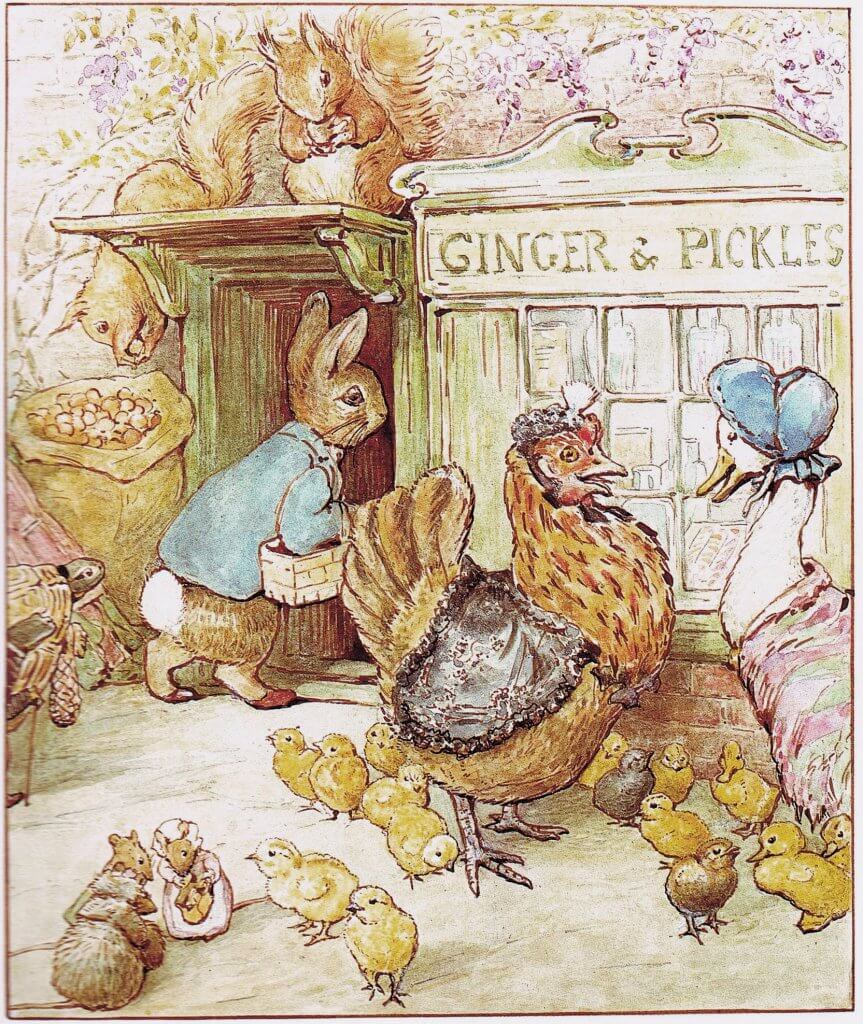
The story of Peter Rabbit emerged in 1893. While on holiday in Scotland, Potter was writing a letter to her former governess’ son, and ran out of things to tell him. And then Peter and friends were born! She did attempt to have it published, but unfortunately, no publishers would take it on. She self-published 250 copies to give to family and friends in 1901, though. It caught the eye of a publisher who had originally turned it down- Frederick Warne & Co. published it in October 1902 with full colour illustrations. The Tale of Squirrel Nutkin and The Tailor of Gloucester quickly followed, and the rest is history now!
Beatrix Potter’s Later Life- Businesswoman, Landowner, Wife
Potter was a keen businesswoman, and should be admired for her business acumen. Soon after Peter Rabbit was published, she licensed the first Peter Rabbit doll. (Thanks to Beatrix Potter, Peter Rabbit is the oldest licensed literary character, in the world- way to go, Peter!) Quickly, Peter Rabbit board games, almanacs, decorations, and more followed.
She became engaged to her editor, Norman Warne, in 1905, but he shortly died of leukemia after. Potter was understandably devastated, and spent most of her time in the Lake District. She bought Hill Top Farm in the Lake District, and although she wouldn’t live there traditionally, she lived nearby in Castle Cottage. And in 1913, she married local solicitor William Heelis. They lived together in the Cottage until her death in 1943. At the time of her death, she owned 15 different farms in the Lake District, and had taken a vested interest in them.

Further Reading
Potter, Beatrix. Great Big Treasury of Beatrix Potter. Derrydale Books, 1992.
“About Beatrix Potter”, last accessed on 3 April 2020.
Lear, Linda. Beatrix Potter: A Life in Nature. St. Martin’s Press, 2007.
Lane, Margaret. The Tale of Beatrix Potter: A Biography. Penguin Books, 2001.
So, who was Beatrix Potter for you? Did you read any Peter Rabbit tales?
Cheers,
The Historian
Facebook | Twitter | Instagram | Pinterest | Bloglovin’

Fascinating–thank you for sharing all this wonderful history.
I love her and the world she created. There is a wonderful movie called Miss. Potter staring Renee Zellweger and Ewan MacGregor about the author and the beginning of publication of her books. Thanks for the post
I really enjoyed Mis Potter, I thought it was quite well done and lovely!! Thank you for stopping by 🙂
I didn’t know that Beatrix Potter’s first fiancé’ died of leukaemia. How sad!
I know, it certainly adds a different element to her life!! 😥