I’m not ashamed to study royal history. At least, I”m not ashamed to study royal history anymore. It took me quite a while to get to that point. Often simultaneously mocked for being too out-of-date and for being too popular, it sits in an odd place. I still have to feel people out when it comes to discussing it, and in non-history places, I have to be particularly careful. However, I’m happy that I have something in my life that brings me joy, and that I can study royal history.
A popular historian on Twitter made an off-hand Tweet on Sunday, 11 April 2021 about how they don’t study royal history, they “study the history of the many, not the few”. The historian in question apologised the same day, and explained that it was meant in frustration of being asked to answer questions about the Duke of Edinburgh, and not the field in general. (Please do not pile on this person, they have genuinely apologised.)
Royal History- An Embarrassment?
While the person in question didn’t mean it to sound how it did to some of us, it rang a very frustrating bell for me. I have heard that exact phrase more times than I count, particularly during my undergraduate degrees. The history department that I studied under was (is?) a very left-leaning department, with a very heavy focus on social history. We would be reminded constantly that “history of the many, not the few” was what we should be studying. Royalty and prime ministers have had enough attention, EP Thompson and The Making of the English Working Class should drive your historical research. And as someone who wanted to study royalty, I was subtly and not-so-subtly steered away from researching any royal topics. I was reminded that royal history is now just pop biographies and that working class movements and “history from below” was where my time should go. So, I quickly learned to pick other topics and not share my interest out loud (or on paper).
Note: they are still nice people, and wonderful historians. They were trained by Thompson’s contemporaries, and I can appreciate their passion. (I think perhaps it was a tad misguided.)

Returning to Royal History
Sadly to say, I was even embarrassed to admit I was interested in royal history here on the blog for the first few years. The idea that “serious historians don’t study royal history” was drilled into me, and I wanted to be taken seriously. However, through connecting with different historians on various platforms, I’ve come to realise a few things. Firstly, life is too short to study anything you aren’t 100% committed to. Secondly, royal history is no less valid an area of study than any other. Thirdly, I am “good at” royal history. I enjoy it, and I think it shows in my work.
Since featuring more royal history on the blog, many of you lovely readers have reached out to me. Sometimes looking for book or period drama recommendations, other times to discuss things. The underlying tone for all of these interactions? Passion. (On both sides!) I don’t care if someone is going to mock me for what I study anymore- if they are, they simply aren’t worth my time.

Royal History Has Evolved
I think that it is important to recognise that royal history has evolved as a field of study. For many of us studying it, we aren’t mindlessly praising these “old white guys” who sat on the throne. A lot of work being done in the field of royal history now is looking at the women behind the throne, or the people in and around court that live on the periphery of the historical record. And some people, like myself, are specifically looking at the interactions between royalty and the “many”.
People are challenging long-standing myths about historical figures. (See Gareth Russell’s Young and Damned and Fair.) They are certainly studying monarchies outside of Europe, and outside of the last 500 years. People are exploring gender and LGBT history within the context of royal history. More strands of the past are being examined than ever before. And that is a good thing.

So, You Don’t Like Royal History?
I’m guessing that most people reading this blog at least tolerate royal history. (Though I hope you enjoy it…) However, there are going to be some of you that don’t like royal history. And to that I say, “I hope that there is an area of history that you enjoy studying and are able to!”. Speaking for myself at least, I in no way think that everyone is going to enjoy the same things that I do. What I do expect is that I won’t have to hear about how you hate it or think little of it.
There are countless areas of history that I’m not interested in, and some I seriously question, annnnd I keep that to myself. It’s not that difficult to do. If you are at a point in your life where you need to put something else down to feel better about you and your choices, you need to re-examine things. Put your enjoy into the things you love, and simply move on.
Royal History Posts I’m Proud Of
One of the reasons I am particularly proud of my blog is that it has forced me to write in a more accessible and relatable form. First and foremost, I consider myself an academic historian, and I’m most comfortable in an academic form. However, I’ve been able to learn and adapt my writing to appeal to anyone, and I’m fairly thrilled about that. And in particular, I’ve been able to make royal history more accessible. I’ve chosen three of my favourite royal history posts to highlight here, I hope you enjoy!

Queen Victoria and Ballet?
I loved writing about the future Queen Victoria and her love of the ballet! We rarely think of Victoria of going out and attending the theatre, but she was a frequent visitor to Covent Garden. (She would have been BFFs with Marie Taglioni, given the opportunity…)
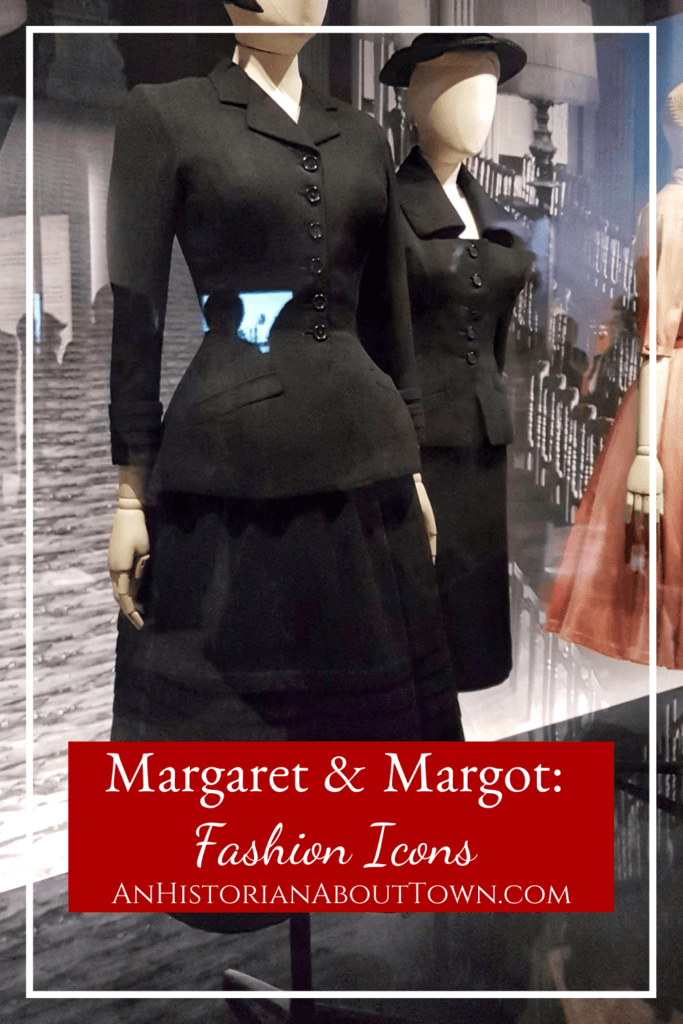
Margaret and Margot: Fashion Icons
Combining my love of royal history, ballet history, and fashion history in one post may very well be my crowning victory as a history blogger. Both Princess Margaret and Margot Fonteyn were lauded in their younger years, but led difficult and oftentimes sad lives in their later years. They both had a marked effect on fashion, and that shouldn’t be underestimated.

Russia: Royalty and the Romanovs Exhibition
I’m not ashamed to admit that what clinched my growing interest in royal history was the movie Anastasia and the Romanovs. This was a quietly impressive exhibition, and over two years later, I’m still going over my photos and notes from the exhibition. And not only did I see countless Romanov artefacts, I saw the Grand Duchess Vladimir Tiara in person!
I hope that whatever area of history you study, be it royal history or otherwise, you are enjoying it!
Cheers,
The Historian
Facebook | Twitter | Instagram | Pinterest | Bloglovin’

Absolutely agree with you 100% I enjoy reading about royal history but more recently I’ve found the history of ‘the many’ fascinating and have gone down those rabbit holes too often on a weekend! But then when reading about these people I also need to draw on my knowledge of what was happening at the time – wars, legislation, taxation, economy, the things dictated by the royals – to really understand their lives and this is where the two mingle. We all have to study what we love and for me that’s a bit of both.