If you are in the Northern Hemisphere, summer is now officially here. And that tends to mean that while we are busier, we are able to fit more adventures in. And more things tend to be open for visiting with better hours, at least here in Canada. So I say, take advantage of it while we can! Most of us have some very interesting local history around us that we don’t see because we keep saying we “will get around to it”. So make this the summer to find local history around you and enjoy it!

What is Local History?
Local history tends to be based around a relatively small geographic area, but is not limited to one area of history. In your area, there might be local history about particular immigrant groups, families, tribes/bands, or other groups of people. There also might be textile history if you live near a mill or are known for your sweaters, or sports history if you have a particularly big sporting team or event. Or there might be some significant architectural history where you live. All of this is to say, there is no one theme that comprises local history- it can literally span any topic or group, so there is probably something for you!
Where To Look for Local History?
Yes, if you live in Europe, it’s probably fairly easy to spot your local history sites, like country houses, cathedrals/ churches, or other sites. However, I find that in North America (and probably elsewhere), it is not as easy to spot.
Yes, you probably have some larger museums but keep an eye out for smaller museums. My city was originally seven different cities, and a few of the original cities have their own museum dedicated to their history and they are well-hidden secrets. Museums are not all we have, though.
If you have a local historical society, take a look and see if there are any historic houses or cemeteries in your town or city. Many of these will be tucked away in neighbourhoods but very worth the visit. (Also, the people who run these societies will most likely be very helpful as they like to see people interested in their history.)
You also might want to look into theatres and post-secondary institutions (ie. universities and colleges), as they will often have some beautiful old buildings and quite a lot of history to explore.
Walking tours can also be a great way to learn about your local history and to get some steps in. (You can often find ghost tours, too.) And you can often find these by checking in with the above-mentioned historical societies or checking sites like EventBrite (they are often listed for free).
Local History Events
I would also keep an eye out for local history events, like picnics, festivals, afternoon teas, open houses- here at least, you will often find events on almost every weekend in the summer. Keep an eye on local historical sites’ social media pages, as they often post their events there. (You can also sign up for their mailing list, if they have one!) And if you go to one event, look out for info about other upcoming events- you will often see different historical sites and groups banding together to promote each other’s events. And if you mention to a volunteer or employee that you are looking for more, they will also have recommendations.
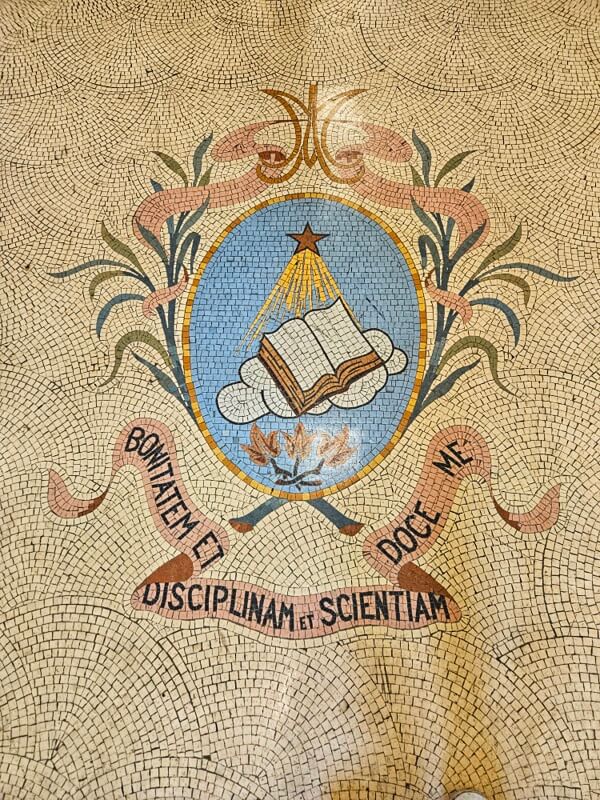
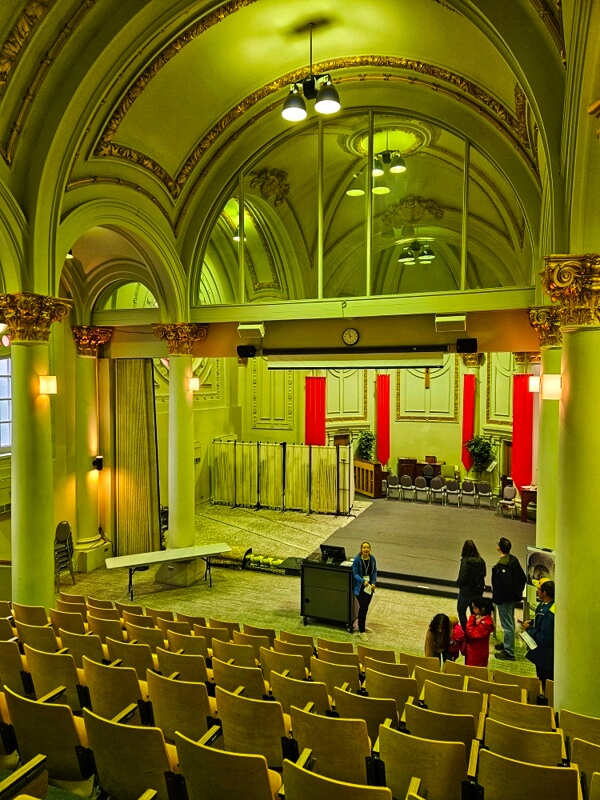
Doors Open has already passed in my city (it is in May), but it is a great way to explore historical sites that are typically not open to the public or have a ticket. I know that it takes place at different times in different cities, so I would figure out when your city hosts it. (The pictures here are from my Doors Open adventures this year- historic university for the win!)
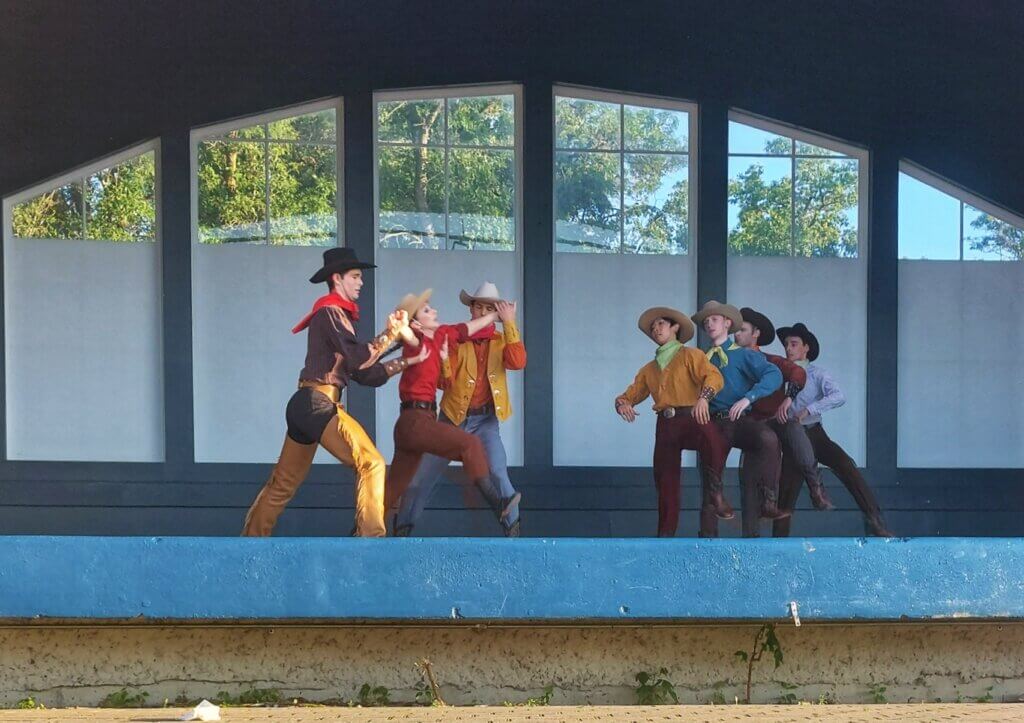
Annual events are also a great way to be a part of local history. Every year I go to Ballet in the Park, a Royal Winnipeg Ballet event where the company performs different pieces for free at an outdoor theatre for everyone to enjoy. I’ve really come to love it and it is a highlight of my summer.
How do you find local history and enjoy it?
Cheers,
The Historian
Facebook | Twitter | Instagram | Pinterest | Threads