As a Canadian, I admit, I am fascinated by British pantomimes. They are entirely foreign to me, in every way- I can’t imagine a theatre event like it here in Canada. (At the holidays or any time, really.) However, as the theatre nerd that I am, they are more than interesting for me. I’m obviously not the best person to write about them, though, given that I’ve not ever seen one. So, I’ve asked one of my favourite bloggers to help me out. Lauren from That Museum Girl is here with the history of pantomimes and why they are such a cherished part of the holiday season!

“It’s (Not Quite) Behind You”: How the Great British Pantomime is Fighting the Great Global Pandemic.
The festive season sets the scene for indulgence in all things ‘tradition’: advent, Christmas shopping, Santa Claus, and if you are a native of the U.K., a trip to the theatre to take in one of our most beloved traditions of all – the pantomime.
Eccentric, loud, colourful, and fun, the pantomime is British Christmas encapsulated, and one feature of the festive season that we cannot be without. We are taken as infants with family or school, and continue the tradition into adulthood, clinging to the folly and nostalgia it brings. Like most deep-rooted traditions, it is one that is cherished and sums up our Christmas experience every year. However, like everything in 2020, the great British pantomime has not been immune to the impact of Covid-19; if anything, the theatres, and concert halls have taken the economic brunt of its wrath. Theatres simply cannot afford to be socially distant, making adaption to the ‘new normal’ an almost impossible task. And for the first time in its history, the pantomime is under threat.

A British Invention? Oh No It Isn’t!
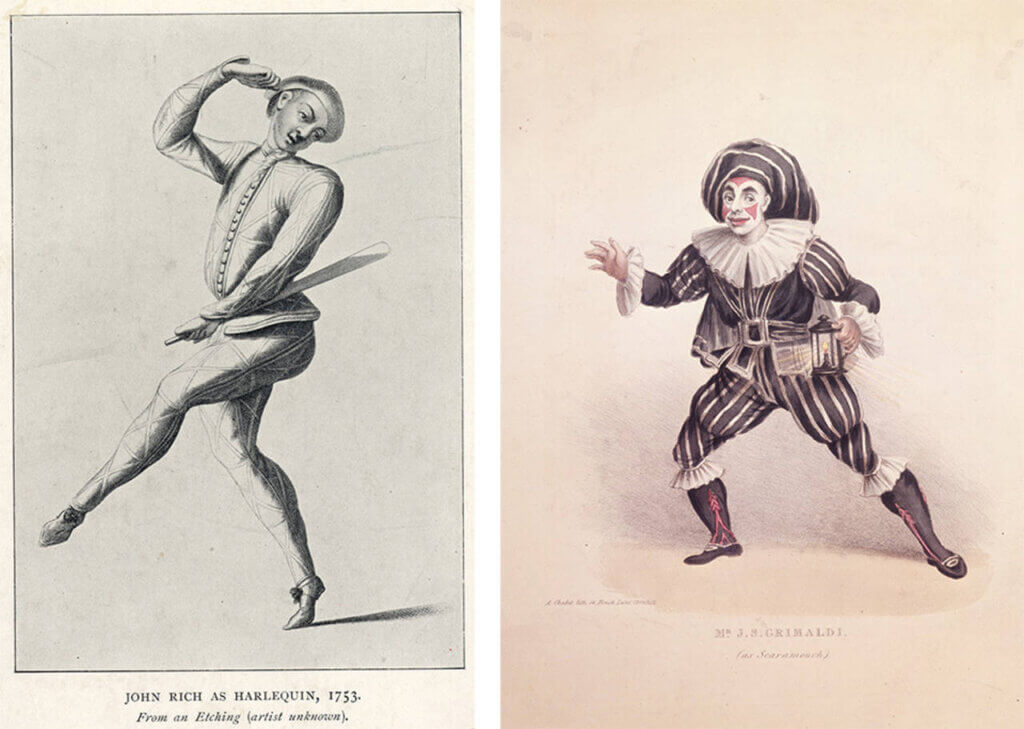
Given its prominence in British culture, you would be forgiven for the assumption that the pantomime was an original product of the U.K.; perhaps conceived on the bawdy Drury Lane stages, or concocted by a distant (and thrifty) cousin of Shakespeare himself. In fact, the roots of the ‘panto’ can be traced back to slightly warmer climes: that of 16th century Italy. Swap pantomime dames for harlequin clowns, and fairy tale retellings for mime acrobatics and you have the “Commedia dell’Artes”; what we can now determine as the ancestor of the pantomime.
By the 18th century, touring productions of these spectacles would bring the Italian troupes to London, and the influence on the British stage was palpable. Indeed, it would be the Brits that would continue to adapt and modify these eccentric theatre displays into something more digestible for the masses. In the early 1800’s actor and director of the Drury Lane theatre, David Garrick, championed speech in their productions, marking the first stark contrast from the original Italian “Commedia”. The inclusion of the spoken word allowed actors to reimagine beloved stories such as “Robin Hood” and “Dick Whittington”, bringing them to life for engaging audiences. Much like a lot of theatre at this time, participation by spectators was widely encouraged; a staple feature of pantomimes that remains to this day. Another staple is of course the pantomime dame – a lead female role played exclusively by a man (something not out of the ordinary on British stages: women were not permitted to partake in onstage theatre roles until the Restoration period in 1660), but emphasis was on the comedic value of an often butch, bumbling figure dressed in elaborate costume and clown like make up – an homage to the harlequin roots of old perhaps?. By the Victorian period, the pantomime had fully evolved into what we largely know it to be today, and with productions often opening on Boxing Day, it was inevitable the panto would go hand in hand with the festive period. (For more on the history of Pantomime, see the V&A’s fabulous ‘History of’.
The Panto Effect
Now, when the mind wanders to British theatre, it often throws up images of the big budget West End productions, Shakespearian sonnets, and the bright lights of the big city theatres.
But not every city is London, and not every theatre is found on Shaftesbury Avenue.
The fact of the matter is, pantomimes have made theatre accessible to the masses, much like they did in their early form. While you can find them in the usual theatre hotspots every festive season (or ‘panto season’ as it is known, running from late November until early January), you will also find a pantomime being played in most local towns; be it on the stage of an independent theatre, social club or school. No venue is too big or too small for a beloved tradition, and the takeover of almost every stage in the U.K. by the panto season means most people have access to at least one production every year, making them a stable source of income wherever they play.
Most importantly, what the pantomime brings to theatres is consistency. A staple tradition during a mass celebrated holiday means even the smallest of theatres often have a constant source of income during pantomime season (the Guardian reported pantomimes contributing £63million on average per annum to the U.K. economy). For many, the panto is the bread and butter of the stage, a guaranteed sell out for every family, school party or Christmas night out, year in, year out. A frivolous exterior the panto may have, but the consistency of tradition brings consistency in profits.
But what happens when that consistency is threatened by a public health crisis, one of the few things that could shake a beloved Christmas tradition?

The Show Must Go On
The global pandemic continues to wage war on many of our industries, but the detrimental effect on the arts sector is one which continues to be almost impossible to navigate. A virus that thrives in busy and close-knit environments does not play ball with packed out theatres. Team this with a slow turn around in government help, and the fact even the most well-known of theatres cannot function on anything less than a full house, and you have a further economic virus ripping through every venue in the country. But, the arts are privileged to be driven by the most creative and innovative individuals, proving they won’t allow British theatre to become another Covid casualty; and the ‘powers that be’ in the panto world have gotten in on the act.
While the usual packed theatres of jeering and laughing audiences feel like a far-off dream at the moment, and certainly won’t be a sight we will endure this Christmas, it hasn’t stopped the world of theatre joining forces with the world of digital to allow some glimmer of hope. Virtual events have provided a sanctuary for many throughout the pandemic, and in a lot of ways has bred a plethora of positives: the majority of us have been able to watch gigs, visit museum exhibits and attend lectures streamed in a different time zone, all from the comfort of our own homes. And this Christmas, the great British pantomime will be joining the legions of industries going virtual and bringing their work to a global audience. In the seconds it takes to Google search “Virtual Pantomime 2020” you are greeted with an abundance of options and productions that will be available online this year, no matter where you are in the world. Many are donating proceeds of tickets to fund the theatres they are desperate to save, or staging productions in aid of charity. One of the biggest virtual events being held is “Panto Online”, who are aiming to salvage the pantomime experience and raise money for the British arts in the process. For £15, you can watch their new production of “Jack and the Beanstalk” as many times as you like throughout panto season, so you can do your bit to save the theatres AND heckle the panto dame from your living room! (Tickets available here https://pantoonline.co.uk/). Drive in pantomimes are also the order of the day, with numerous local communities allowing socially distanced viewings of pantomimes streamed on large screens via the comfort of your car (a la drive-in movie). One thing is for sure, the great British panto isn’t going down without a fight, and although the experience might be a little different this year, any panto experience is better than nothing at all.

So, whether you’re a panto veteran or brand new to this eccentric British staple, 2020 is the year we can all indulge in pantomime season, no matter where we are; and in doing so, we keep this wonderful theatrical tradition alive and well. Why not book yourself a trip to virtual panto, stock up on the ice cream for interval and get your best heckling voice in tune – we are all invited (oh yes, we are!).
♠
I have to give a massive thank you to Lauren for such an amazing post! (Only further encouraging me to book a holiday UK trip when its safe to see a panto.) If you haven’t visited her blog, you can find it here. I would also recommend following her on Instagram and Twitter, as she is very active and a lot of fun. And if you are UK based, she is running a massive museum-based giveaway that looks spectacular (details here). If you are at all interested in museums or culture, Lauren is your person!
Are pantomimes a part of your holiday celebrations?
Cheers,
The Historian
Facebook | Twitter | Instagram | Pinterest | Bloglovin’