Until very recently, Queen Anne was a largely forgotten monarch. Although she has recently come back into “popularity” with the film The Favourite, Anne is still quite unknown. Anne was a Stuart, the dynasty always ignored for their older cousins, the Tudors. She was also a female monarch who didn’t have an exceptionally long reign- it seems that if you don’t pull an Elizabeth or Victoria style reign, you aren’t really brought up as a female ruler. But no more- it has been my mission to find more Queen Anne sources as of late, to give her the attention that she deserves. And thus I discovered Good Queen Anne by Judith Lissauer Cromwell!

Who Was Queen Anne?
For anyone who is new to Queen Anne Stuart, she truly was a fascinating woman and monarch. If you were introduced to her via The Favourite, please disregard everything that you saw and start over. Olivia Coleman is a superb actress, but the plot and script of the movie truly reinvented her. Stuart
Born in February of 1665, Anne grew up as a Protestant princess in the Catholic-sympathetic court of her uncle Charles II and then the Catholic court of her father James II. Films such as The Favourite tend to portray Anne as a weak ruler who simply gave in to whomever was closest to her at the time. However, given that she refused to convert to Catholicism, despite the pressure from several family members, I would argue that she isn’t a particularly weak monarch. Good Queen Anne looks at her whole life, and starts by looking at how she avoided Catholic interference as a teenager and young adult.
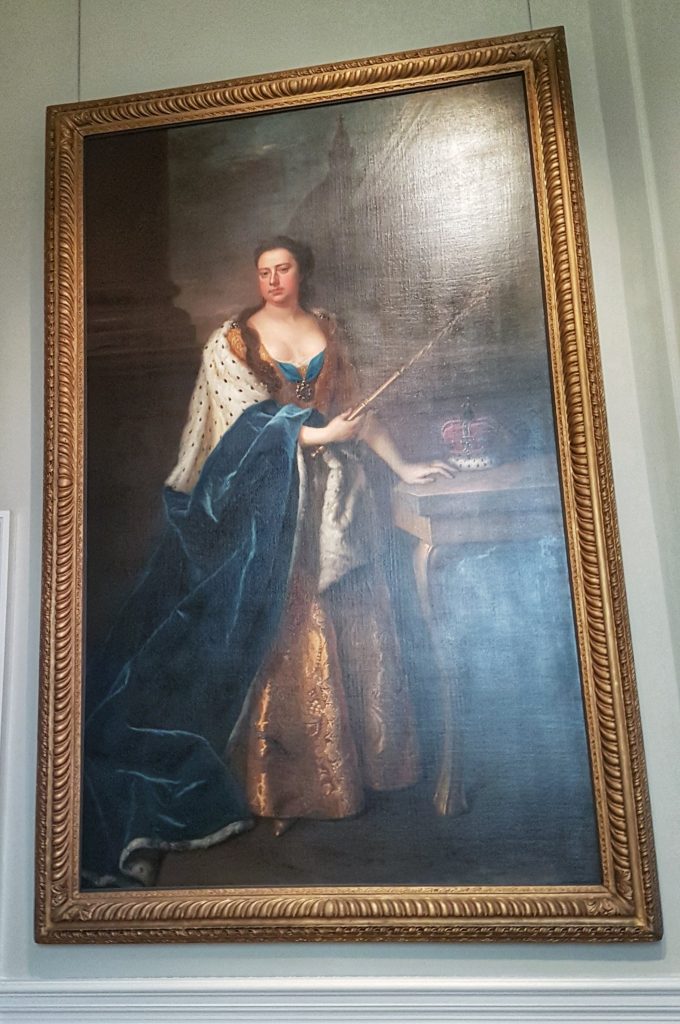
Anne struggled personally under her sister’s reign. Mary’s co-regent William III was a particular man and not a huge fan of Anne’s husband, Prince George of Denmark, thus refusing to allow him to actively serve in the military. They also both strove to limit her allowance, as they feared she would set up a rival court. (It was quite a common thing to happen, but they pretty much left Anne destitute at points. Nothing like sisterly love, right?) It was in this period that her friendship with Sarah, Duchess of Marlborough really took hold.
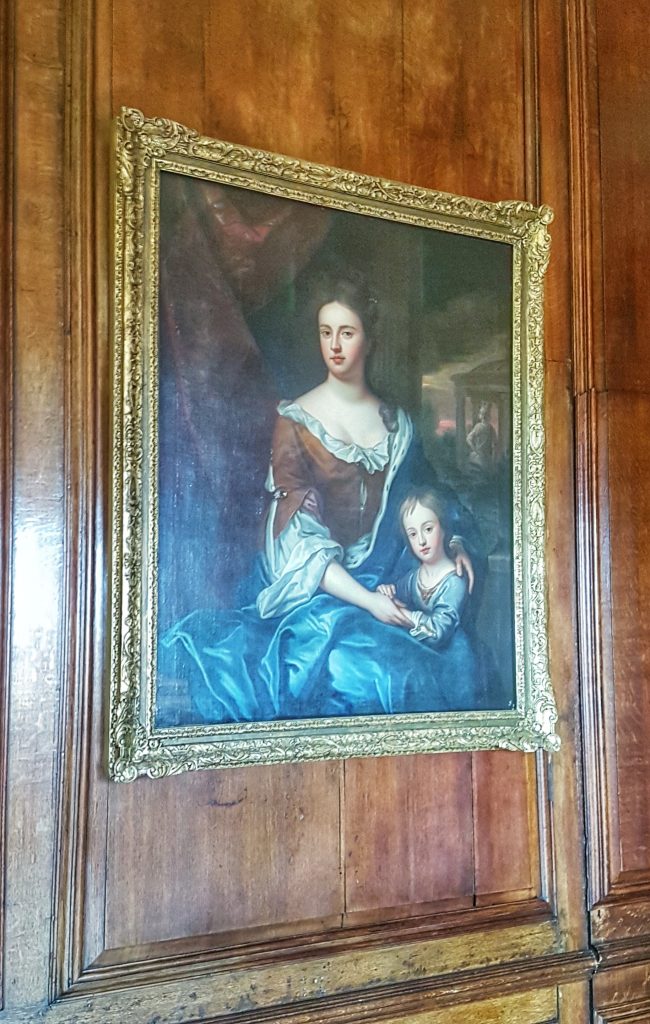
Also, quite notably, Anne was pregnant 17 times, and lost all 17 of her children. Some were miscarriages, some were stillborn, and some died at a young age. Prince William, Duke of Gloucester, was her only surviving child, and he died at age eleven. Also, unsurprisingly- 17 pregnancies in 17 years took a toll on Anne’s body. She was a slender and beautiful woman in her youth, but continual pregnancy wreaked havoc on her body. By the time she came to the throne in 1707, she was heavily overweight and suffering from severe gout. However, she still oversaw the Union of England and Scotland, as well committing to the War of Spanish Succession on the day of her ascension. She also deftly handled an incredibly complex and difficult group of ministers and politicians, which seems to be often overlooked…
A big thank you to NetGalley for providing this eARC in exchange for an honest review!
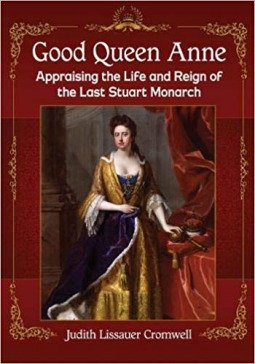
Good Queen Anne: Appraising the Life and Reign of the Last Stuart Monarch, Judith Lissauer Cromwell
Queen Anne (1665-1714) was not charismatic, brilliant or beautiful, but under her rule, England rose from the chaos of regicide, civil war and revolution to the cusp of global supremacy. She fought a successful overseas war against Europe’s superpower and her moderation kept the crown independent of party warfare at home. This biography reveals Anne Stuart as resolute, kind and practical–a woman who surmounted personal tragedy and poor health to become a popular and effective ruler.
This book was released on 13 May 2019, so it is waiting for you in bookshops everywhere! And if you are interested in Queen Anne or royal history, you should be reading this. Anne tends to treated one of two ways in the historiography; she is either treated as a fast footnote or becomes a textbook. Sometimes you want a fast introduction, and sometimes you want to learn everything possible, but most of us typically want a happy medium. This book thoroughly treats Anne’s life without getting bogged down.
I know this keeps coming up on the blog, but I hate that Anne’s life has become permanently intertwined with that of Sarah, Duchess of Marlborough. They weren’t conjoined twins, they were two separate people! I think that Cromwell treated the subject well. She referenced both Sarah and John Churchill (the Duke and Duchess of Marlborough) frequently, because they did play a large role in her life. However, Cromwell, also touched on other “players” in Anne’s life and court, and recognised that there were other people who had an impact on her as well. (This book is proof that you can discuss an important figure in someone’s life without them taking over the story.)
I thoroughly enjoyed her use of primary sources throughout. She includes many different primary sources (usually letters and correspondence), which gives you an idea of what Anne was actually thinking and writing to people. There are also several different paintings featured, showcasing Anne at different points during her life. Cromwell smartly gives the reader details about paintings, including the importance of what Anne is wearing and/or not wearing (ie. a crown). Anne’s wardrobe isn’t a main topic of discussion in the book but these asides do tie in nicely with what is there.
♠
Good Queen Anne is an thorough and fascinating biography of an oft-forgotten Stuart queen. Judith Lissauer Cromwell brings Anne to life and reminds us that she is not simply one friendship, but a thoughtful monarch who did her best to balance several precarious situations and difficult people. If you are interested in royal history or in the Stuart dynasty, you absolutely need to read this biography of Anne.
Will you be reading Good Queen Anne? And what do you know of the Stuart Queen Anne I?
Cheers,
The Historian
Facebook | Twitter | Instagram | Pinterest | Bloglovin’