October 2026 and it is Women’s History Month, so as you will guess, we are continuing on with our journey to explore some of the most interesting women from history. There are some women that we regularly see studied and discussed- Jane Austen, Queen Elizabeth I, Frida Kahlo. That isn’t to say that these women are not interesting or worth our time (everyone knows how much time I spend reading and researching Austen) but there are countless other women who are also worth our time and attention. For today, these are 15 women from history you need to know!
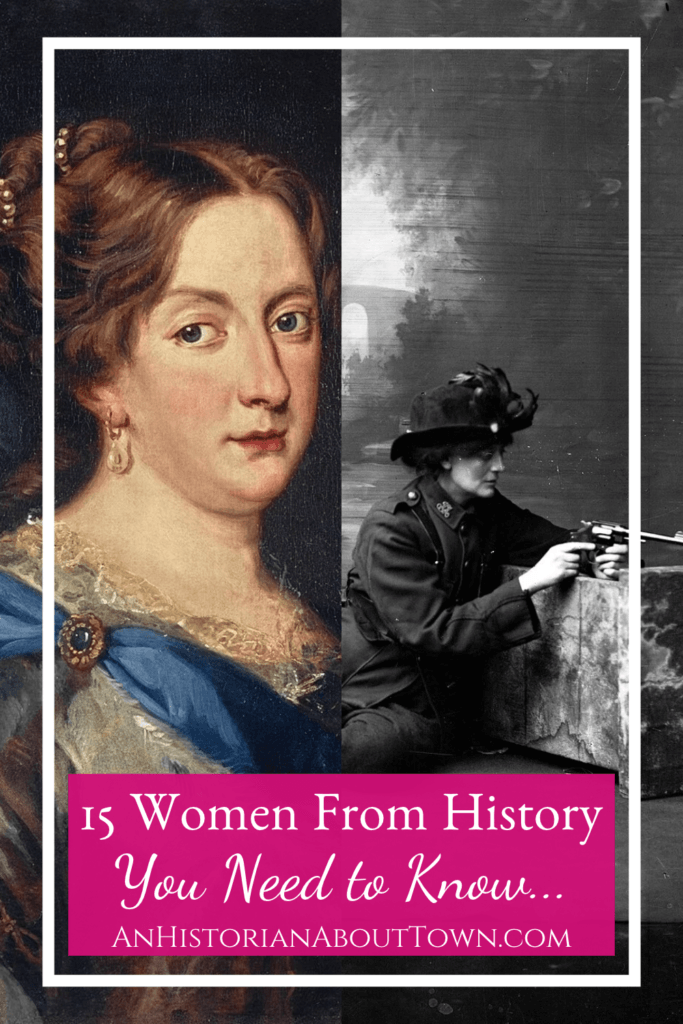
15 Women From History You Need to Know
I would like to acknowledge up front that this list does skew towards western history. I am continuing to do readings and research to broaden my own knowledge base, and I encourage everyone to do the same!
I have tried to incorporate lesser-known figures here so that you might discover a few new-to-you women!

Female Authors
While there are notable female authors from history, they pale in comparison to volume of male authors.
Murasaki Shikibu (c.973- 1014/1025 CE)
Known for writing the first novel, The Tale of Genji, Murasaki was a Japanese noblewoman and author at the Imperial Court (what we now consider Japan). Despite women being largely excluded from being educated in languages and writing, she was able to learn Chinese in childhood (the language of the Imperial Court) and most likely began writing her novel around 1000 CE. Although Tale was not translated into English until 1925, it has quickly become a favourite classic novel as it is in the east.
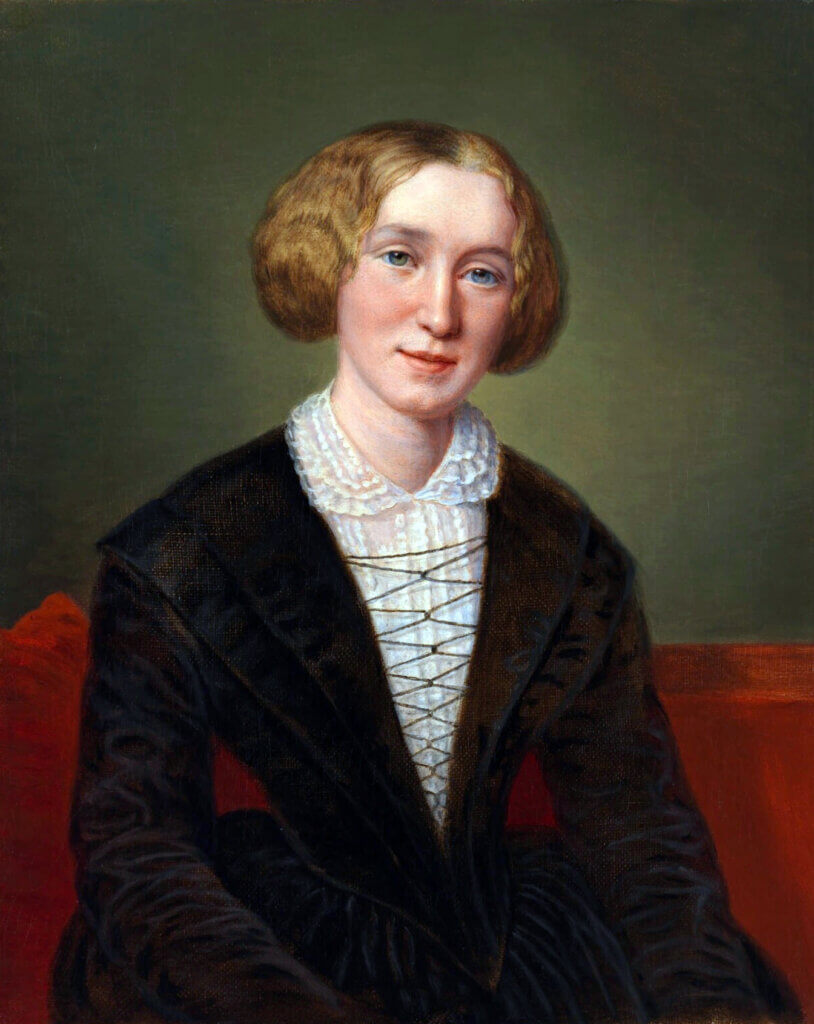
George Eliot (1819-1880)
Known for Middlemarch, Eliot’s novels are considered among the greatest Victorian novels. Often confused for being a male author, Mary Ann Evans went by a pen name to avoid the common gender bias against female-authored books. Eliot was particularly controversial as she lived with a married man for over two decades.
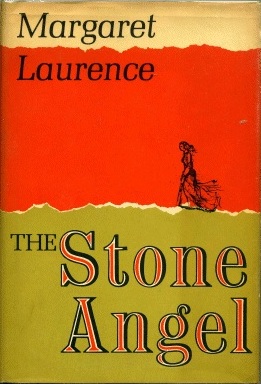
Margaret Laurence (1926-1987)
Born in Neepawa in western Manitoba (my province), Laurence is a pivotal figure in literature for several reasons. Not only did she help to establish the Canadian prairies as a legitimate literary space, she pushed to provide support for female authors in Canada; she was also a founding member of the Writers’ Trust of Canada. Her novel, The Stone Diaries, is one of the most poignant that I’ve ever read.
Female Artists
Élisabeth Vigée Le Brun, Frida Kahlo, and Georgia O’Keefe are some of the best known female artists, with Artemisia Gentileschi becoming a more common name in the past few years. However, women have been fighting for their place in the visual arts for centuries.
Sofonisba Anguissola (1532-1629)
Anguissola was well-placed for a strong artistic education, being born in Italy during the Renaissance. Michelangelo recognised his talent upon meeting her, and she quickly became a sought-after artist. However, it was when she was chosen to be the tutor of the new Queen of Spain, the French Elisabeth de Valois, that she cemented her career as an artist. Although Elisabeth died young, Anguissola has built up a strong network at the Spanish court and went on to be one of the most sought after artists in Europe.

Angelica Kauffman (1741-1807)
A Swiss painter, Kauffman was born to an artist and quickly became known as an artist by her teens. Traveling across Europe, she was able to study the paintings of countless different artists, giving her an exceptional education. She became known for both her portraits and her history paintings, and by the mid-1760s, had moved to London where she was regularly showing her works.
Hilma af Klint (1862-1944)
Af Klint is now largely known as one of the first abstract artists in Western art but this is a fairly recent development. The Swedish painter was a mystic and considered herself clairvoyant; her creations were largely meant to be a physical representation of her spiritual discoveries. She sadly was not celebrated in her own lifetime but in the last 40 years, she has gained far more traction.
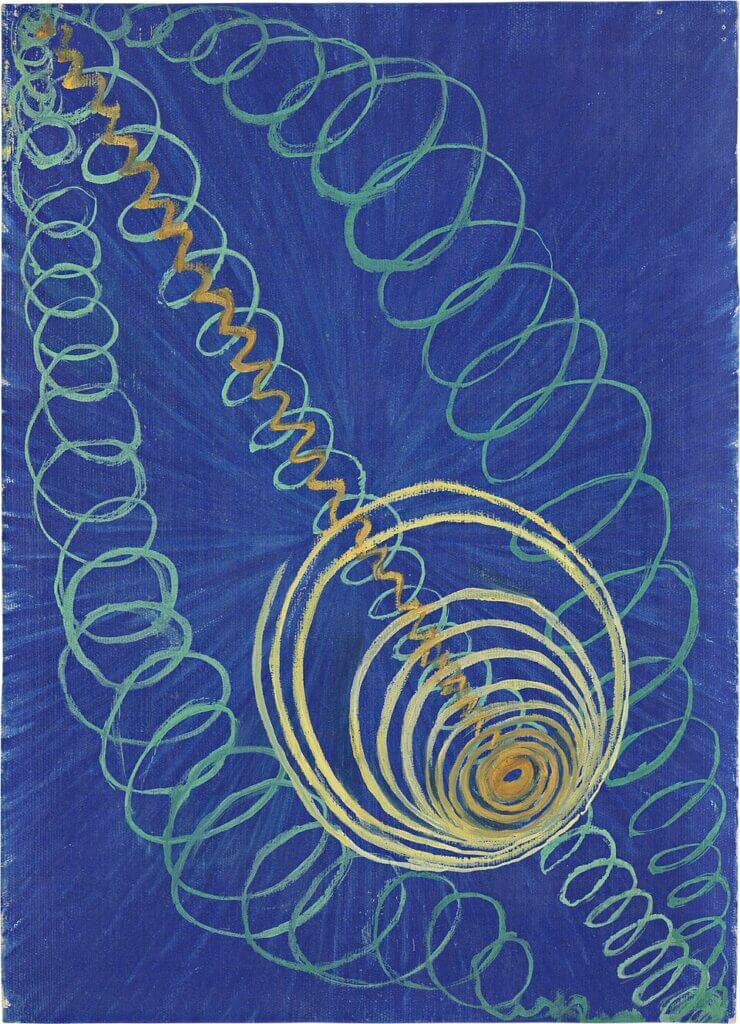
1906–1907
Olja på duk
53 × 37 cm
HAK016
© Stiftelsen Hilma af Klints Verk
By Hilma af Klint – [1], Public Domain, Link
Female Fashion Designers
Although fashion history, and the multi-billion dollar industry of fashion, are largely written off as being shallow, trivial, and female, fashion design has largely been limited to male designers. However, women have still been pioneers in the field.

Photographer for the Rhode Island School of Design Museum of Art, CC0, via Wikimedia Commons
Madeleine Vionnet (1876-1975)
Vionnet is not as well known as some other female designers, but she arguably left one of the biggest marks on fashion. She began apprenticing as a dressmaker at 12 and by 18, she had moved to London to work under a British designer before returning to Paris to work at Collot Soeurs. She opened her own shop before WWI, only to close during the war but re-opened in 1923.
Vionnet is largely known for the bias cut, a revolutionary development in the 1920s. If you are using the bias cut, you cut diagonally to the grain of the fabric, meaning that you have an exceptionally fluid and flowing fabric that moves with the body.
Elsa Schiaparelli (1890-1973)
The house of Schiaparelli has had a resurgence in the last decade but the Italian designer was one of the most popular in her lifetime. Elsa Schiaparelli was known for her eccentric, artistic, and oftentimes absurd designs, with a shoe for a hat and an obscene Lobster-themed dress.
Schiap (as she was known) collaborated with Surrealist artists like Jean Cocteau and Salvador Dalí to create some of the most striking pieces in fashion history. She often employed methods like the trompe-l’œil to create optical illusions in her creations.

Ann Lowe (1898-1981)
Lowe was one of the most talented American designers of the twentieth century but was largely ignored as a Black woman. She quickly became a local favourite for creating gowns for society women in Alabama but her crowning moment was creating Jacqueline Bouvier’s wedding gown when she married John F. Kennedy in 1953.
She continued to be called on for notable society figures but many of her clients refused to properly pay her for her work and sadly lost her salon only a year after winning an award for Couturier of the Year.
Female Politicans/Activists
Depending on where you live, female politicians may be common. However, for most of political history, women could not be elected or serve political roles (with few notable exceptions.)
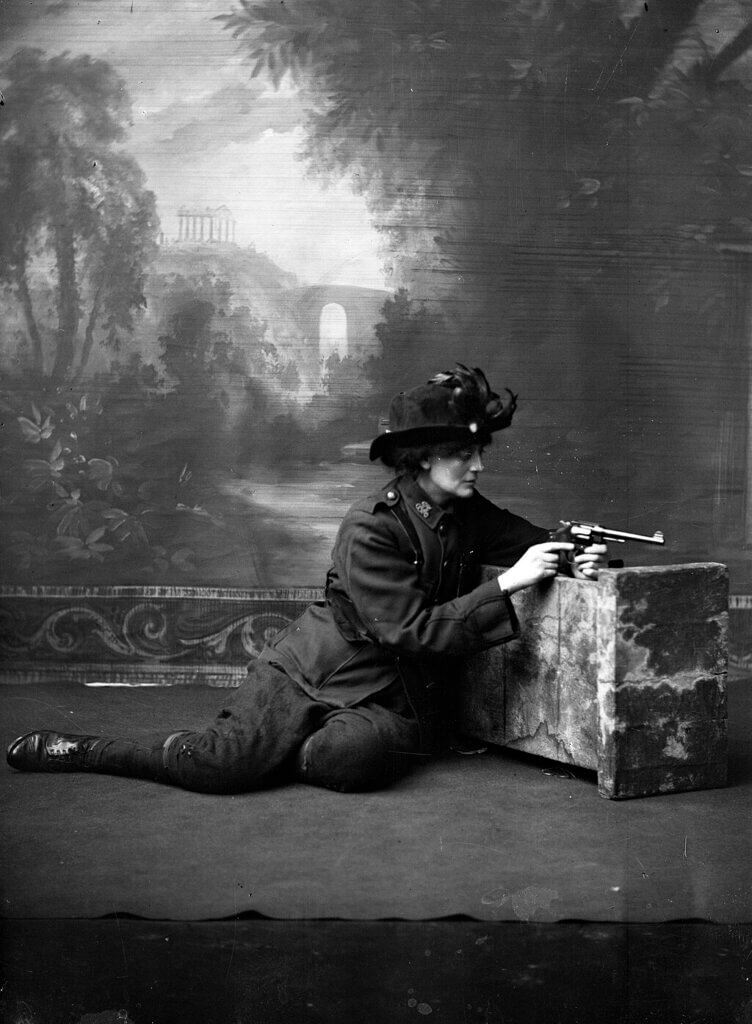
Constance Markievicz (1868-1927)
Born to an aristocratic Anglo-Irish family in Ireland, Constance gave up her largely privileged life to push for Irish independence and women’s rights in Ireland and beyond. She was the first woman to be elected to the House of Commons in Westminster in 1918, though she did not take her seat out of protest (as a member of Sinn Féin). She played a major role in the Easter Rising as a member of the Citizen Army, and she would go on to be a member of the first Irish government. Although we see many women agitating for change in this period, there are relatively few who took part in battles.
Lady Constance Bulwer-Lytton (1869-1923)
Bulwer-Lytton was also born an aristocrat, but chose a life of activism as a suffragette. To escape her privileged upbringing, she went by the name of Jane Warton and claimed to be a seamstress. While the suffragettes pushed for votes for women, Bulwer-Lytton also advocated for the spread of birth control and for prison reform. Notably, she was one of the suffragettes who was repeatedly arrested and carried out hunger strikes while in prison (giving her firsthand experience of life in prison).
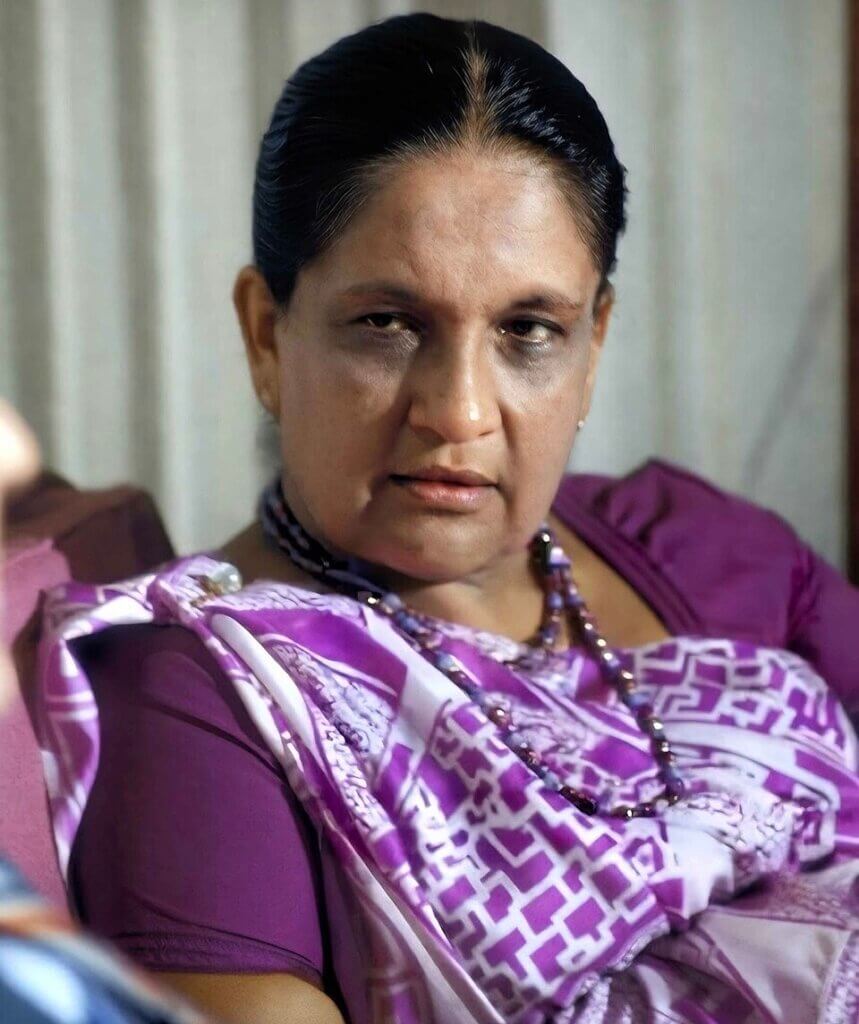
Sirimavo Bandaranaike (1916-2000)
Sirimavo Bandaranaike was the first democratically elected female Prime Minister in the world. She served as Prime Minister of Sri Lanka first from 1960 to 1965, and then again from 1970 to 1977 and then finally from 1994 to 2000. She first served in a newly Post-Colonial Sri Lanka, a country forging a new path forward in the wake of British Colonialism. Like any Prime Minister, she made both celebrated and criticised choices, but she played a substantial role in the global perception of women as leaders.
Female Rulers
We all know of Queen Elizabeth I (and II), Queen Victoria, and Catherine the Great. However, there are countless other female rulers that should be in the spotlight!
Queen Seondeok of Silla (? – 647)
Seondeok ruled over Silla, one of the three Kingdoms of Korea, from 632 to 647 as its first queen regnant. Early in her reign, she sought to provide more support for women, children, and widows, as well as giving tax breaks to those with less money/wealth. She continually faced criticism and attacks throughout her reign because she was a female ruler, though she politically navigated through these with relatively little support.
Note: Queen is an English/western translation.
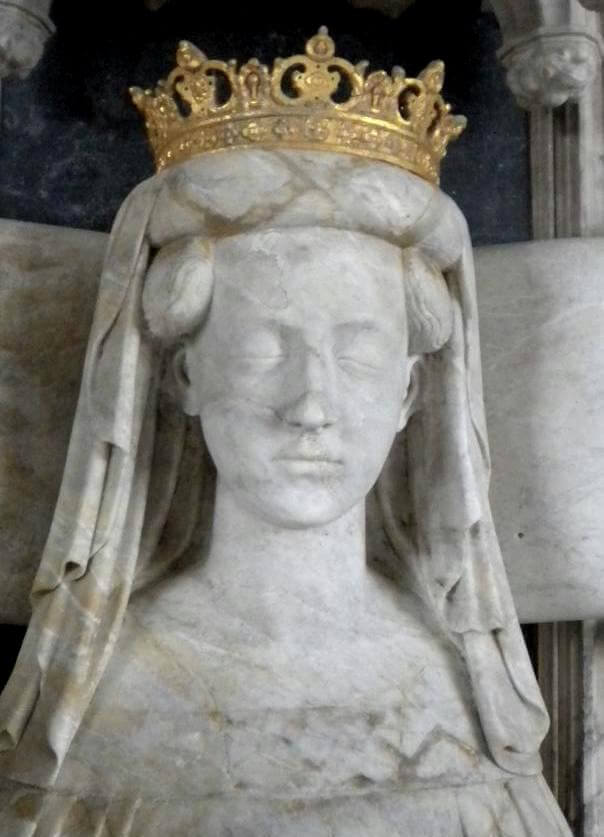
Queen Margaret I of Denmark (1353-1412)
Although Margaret was first Queen consort of Denmark, Norway, and Sweden but was proclaimed Queen in her own right upon her husband and son’s passing. Margaret was considered to be politically shrewd, and she was behind the Union of Kalmar, a treaty that united Denmark, Norway, and Sweden for a century. Although she is considered to have largely focused on Denmark, her legacy remains fairly positive.
Queen Christina of Sweden (1626-1689)
Christina remains one of the most interesting figures of the early modern period. She inherited the throne from her father at the age of seven, and after a regency, took the throne at the age of 18. Christina was exceptionally well-educated and was incredibly interested in the arts, the sciences, philosophy, and more. She welcomed many notable scholars to her court, including French philosopher René Descartes.
The Swedish queen pushed back against almost every norm. In a Protestant Sweden, she converted to Catholicism. She also refused to consider marrying or having an heir and frequently wore men’s clothing. In 1654, she abdicated her throne in favour of her nephew and spent the rest of her life in Rome.

What woman from history do you think we should know?


_effigy_2010_(2).jpg)