Today marks the fiftieth anniversary of Agatha Christie’s death. She remains one of the most popular English language-authors in the world, only behind the Bible and Shakespeare. Her works are still regularly produced on the stage; Mousetrap has been running in the West End in London since 1952, making it the world’s longest running play. (You can currently find it at the St. Martin’s Theatre.) And we are still regularly getting television and movie adaptations of her stories. But did you know that she was more than just an author? Let’s get into Agatha Christie: Author and Archaeologist!

Agatha Christie: Author and Archaeologist
Agatha Christie was talented at a number of things. Born to an upper-class family in Devon in 1890, she served in dispensaries in both the First and Second World War. (This would prove helpful during her writing career, as she was incredibly familiar with medication and poisons.) However, she also spent much of her adult life working around archaeological sites.
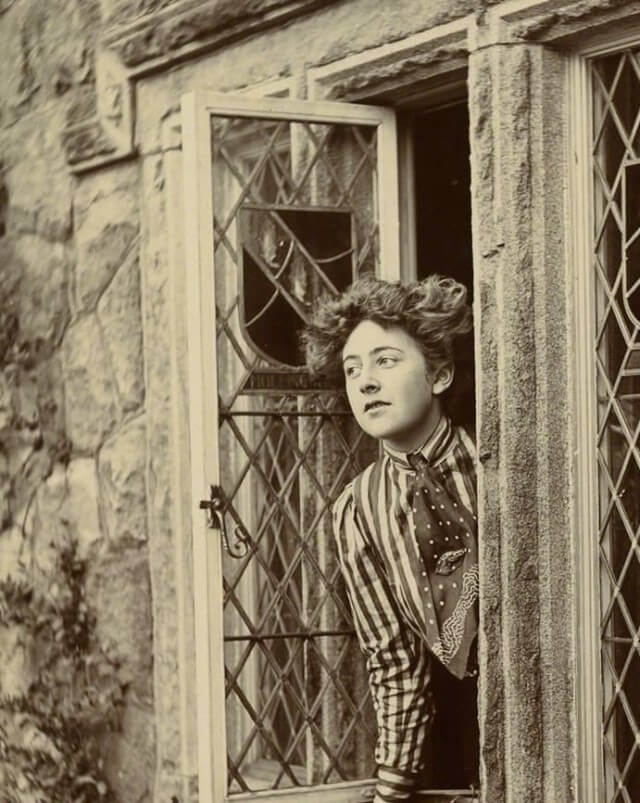
Agatha Christie, the most translated author in the world
Christie wrote over 60 mystery novels, 15 short story collections, and 7 stage plays (with others unpublished). She also contributed to several radio broadcasts for the BBC.
Her first published work was The Mysterious Affair at Styles, published in the US in 1920 and in the UK in 1921. (You would be correct if you guessed that it is the first Hercule Poirot novel!) She wrote it during the First World War, and it was originally published as a serial. It encountered minor criticisms (mostly that it was too well-written, which is an odd criticism…) but was overall very well-received.
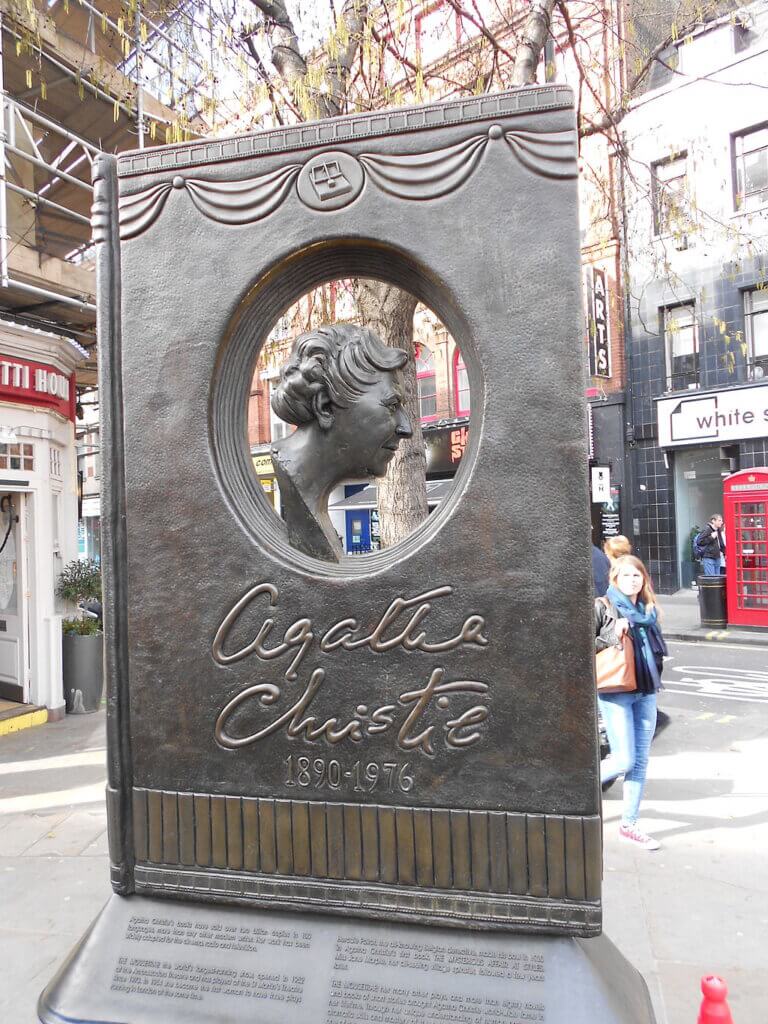
She then continued to publish a novel every year until her death in 1976, give or take. (There are a few years where she published multiple books and a few years without a book, but overall, a consistent flow of books.)
Christie remains one of the most popular mystery authors to this day. Each year, Read Christie, a challenge to read 12 different Christie novels throughout the year (with prompts), has thousands of participants. And every year, we have one to three Christie adaptations on the screen. Even if her books are not your cup of tea, you cannot deny her authorial accomplishments!
Agatha Christie, amateur archaeologist
Christie’s first marriage was a disaster, to say the least. She met Archie Christie in 1914, and the couple were married by 1914. However, following the war, things eventually fell apart. Archie had an affair and fell in love with Nancy Neele- he asked for a divorce in August 1926. Under stress from the divorce and her mother’s passing, Christie disappeared for 10 days before she was discovered.
However, following the divorce going through in 1928, Christie began spending time in warmer climates (recommended by doctors). And it was in these warmer climates that she discovered archaeology. She started attending digs in the Middle East with her friends, archaeologist Leonard Woolley and his wife Katherine. And in early 1930 at an archaeological site in Iraq, she met archaeologist Max Mallowan. The couple married in Edinburgh that year and remained close until her death in 1976. And for several years, she accompanied Max on his digs, even taking part herself. (She was known to help with photographing the sites and objects found, as well as helping to conserve and catalogue items.)
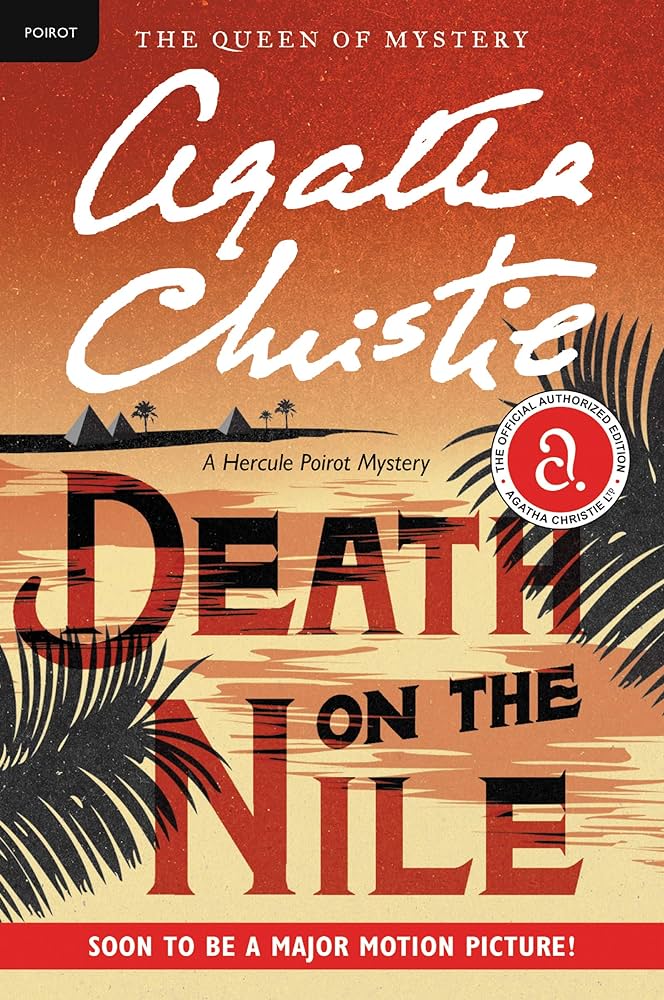
Christie would often spend her mornings writing before heading out to the site. And we can see the clear influence of archaeology on her work, with several novels featuring archaeology in some way. (Death on the Nile and Murder in Mesopotamia spring to mind.)
It should be said, it was her fairly privileged position that allowed her to attend these digs. Many British archaeologists, both amateur and professional, carved up the Middle East, often claiming many things that were found. (Both legally and illegally.) Not only was she an incredibly successful author in her own right, she was born into the aristocracy- this certainly played a role in her archaeological “work”.
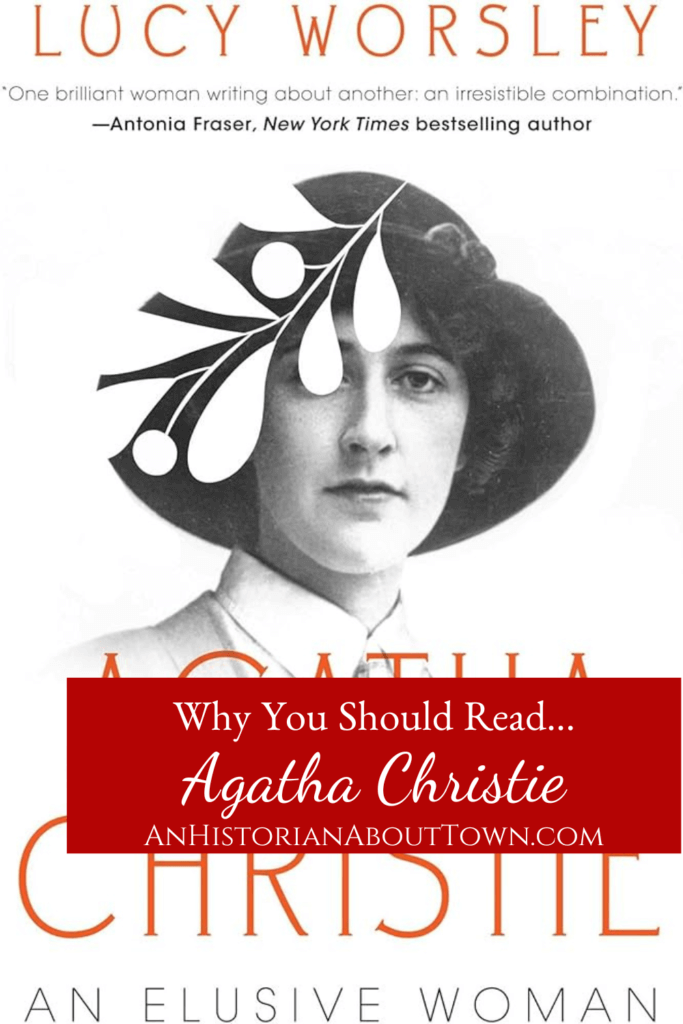
Want to read more about Agatha Christie? You can find my review of Lucy Worsley’s bio here!
Were you familiar with Agatha Christie’s archaeological work?
Cheers,
The Historian
Facebook | Threads | Instagram | TikTok



Yes, I love hear books and I read her autobiography.
I found a copy of her autobiography at a charity book sale and hopefully will be reading it this summer!