If you have visited An Historian About Town more than a couple times, you are probably familiar with my Consort of the Month series. Monarchs tend to be overwhelmingly male and their female consorts are largely forgotten and ignored, save for a small number of exceptions. Today we are doing a speed-round version of that, if you will- we are exploring 5 lesser known royal consorts’ lives and why they are largely unknown. Across the centuries and the map, we will hopefully be shining a little bit of the spotlight on these lives!

5 Lesser Known Royal Consorts
This list includes the spouses of multiple infamous monarchs, and a Prince consort (without that specific title). If you would like to know more about any of these consorts, please let me know in the comments!

Madeleine of Valois- Queen of Scotland 1537-1537 (King James V)
Madeleine was the daughter of King Francis I and Claude, Duchess of Brittany (the sister to King Henry II of France, the king that featured in Reign). Born in 1520, she suffered from ongoing health issues throughout her life, including contracting tuberculosis when she was sixteen. In 1536, King James V of Scotland travelled to France to meet with a different prospective bride but fell in love with Madeleine. Although her father initially refused due to worry about the stress of a cold climate, the contract was signed in November.
James and Madeleine married on 1 January 1537 at Notre-Dame Cathedral. They arrived back in Scotland in May, but Madeleine died on 7 July.
Why Don’t We Know Her? She was Queen of Scotland for little over half a year and spent less than two months in her new kingdom before her death.

Elisabeth of Austria- Queen of France 1570-1574 (King Charles IX)
Note: this is NOT Empress Elisabeth of Austria, aka Sisi.
Elisabeth was the daughter of Emperor Maximillian II, Holy Roman Emperor, and Maria of Spain; she was born in Vienna in 1554. She was considered to be both a great beauty and an incredibly intelligent person and several European families considered her as a marriage prospect. However, several fell through and it was Catherine de Medici’s bid for the young King Charles IX that materialised.
Elisabeth and Charles were besotted with each other following their 1570 wedding, but Charles would return to his mistress fairly quickly. The couple remained friends, though. Elisabeth was pious and spent much of her time hearing Mass, embroidering, and reading. She gave birth to their only child shortly before Charles died of a quick illness, possibly tuberculosis. Elisabeth returned back to Austria as a widow.
Why Don’t We Know Her? Another brief Queen- she was only Queen of France for 4 years before her husband’s death. This was also a somewhat tumultuous period in French history where Catherine de Medici dominated.
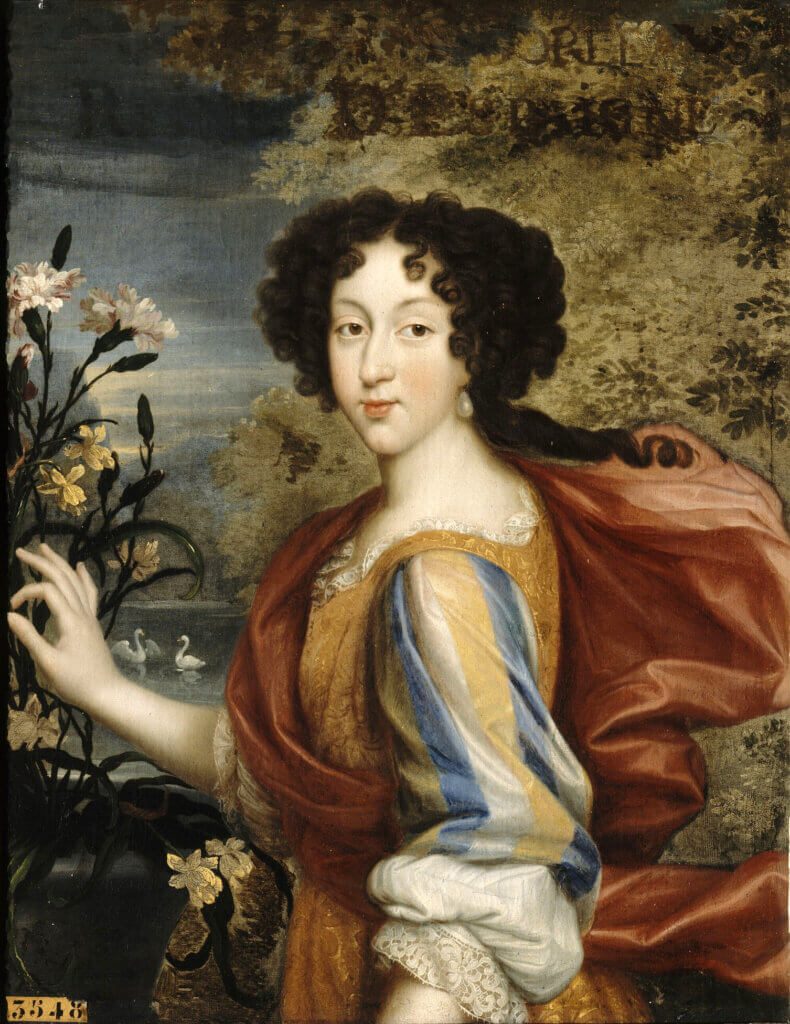
Marie Louise d’Orléans- Queen of Spain 1679-1689 (King Charles II)
The niece of King Louis XIV (the Sun King), Marie Louise was a family favourite and even spent much of her childhood with the future Queen Anne of Great Britain. She was considered a great beauty but this would very much work against her.
Marie Louise was forced to marry King Charles II of Spain, the last Spanish Habsburg monarch. He was known as “the Bewitched”; due to generations of inbreeding, Charles had considerable physical and mental health issues. Although Charles fell in love with the French princess, she did not return his affections and she lived an incredibly lonely life at the strict Spanish court. She died suddenly in February 1689 from what might have been appendicitis.
Why Don’t We Know Her? Due to her husband’s physical issues, Marie Louise did not have any children (what royal women are often remembered for.) Her husband also “steals the spotlight”- the Hapsburg jaw, his medically bizarre autopsy, he is the one that remains of interest.
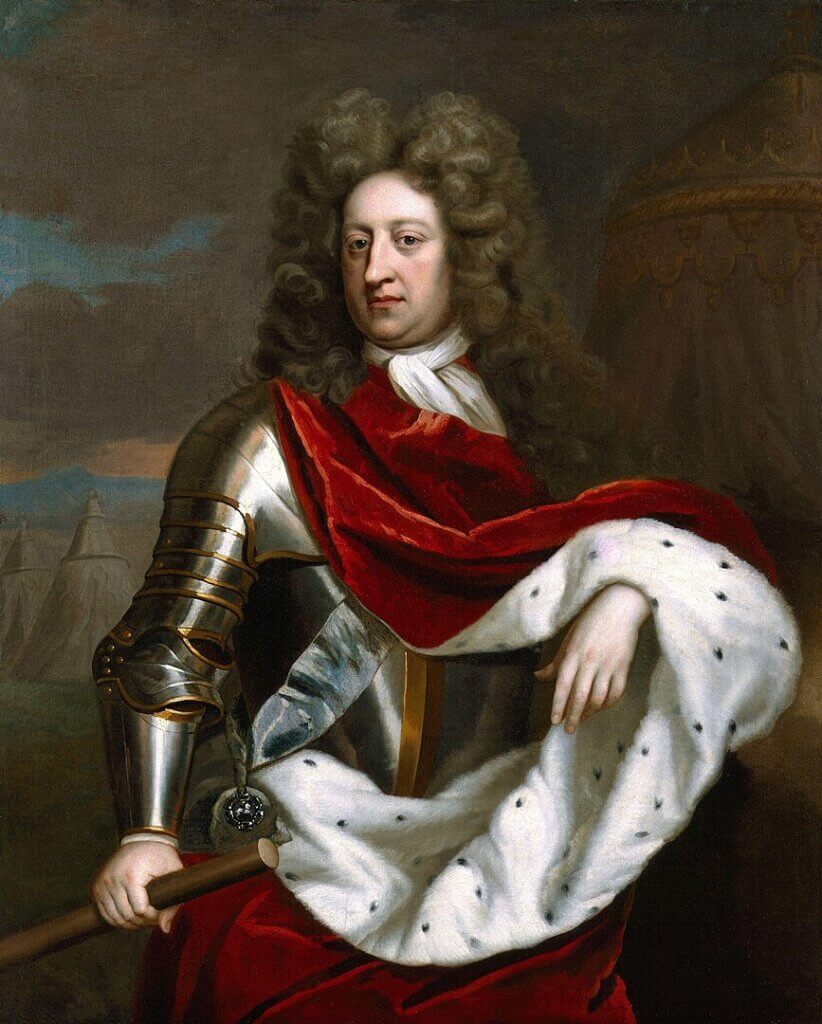
George of Denmark and Norway- Prince and Duke of Cumberland 1689-1708 (Queen Anne)
Prince George of Denmark and Norway is largely forgotten but he was a constant support for his wife for decades. Born in Copenhagen, he had a military and diplomatic career prior to marrying the then-Princess Anne of Great Britain in 1683. As opposed to Prince Albert, the best known British male consort, George was a much quieter person and preferred to live a private life away from schemes and social climbing.
George did not particularly get along with his brother-in-law, King William III, but continued to support his wife. After her ascension, he received several notable roles in the government, including that of Lord High Admiral of the Royal Navy. He sadly died in 1708 and left Anne heartbroken.
While they had seventeen pregnancies together, sadly fourteen of those were either miscarriages, stillborns, or the child died at birth. Two daughters died when toddlers, and their only son, William, Duke of Gloucester, died tragically at the age of eleven.
Why Don’t We Know Him? Queen Anne has come back in common knowledge with the film The Favourite, but unfortunately, the filmmakers killed off George before his actual death for the movie. Like Marie Louise, his line did not continue.
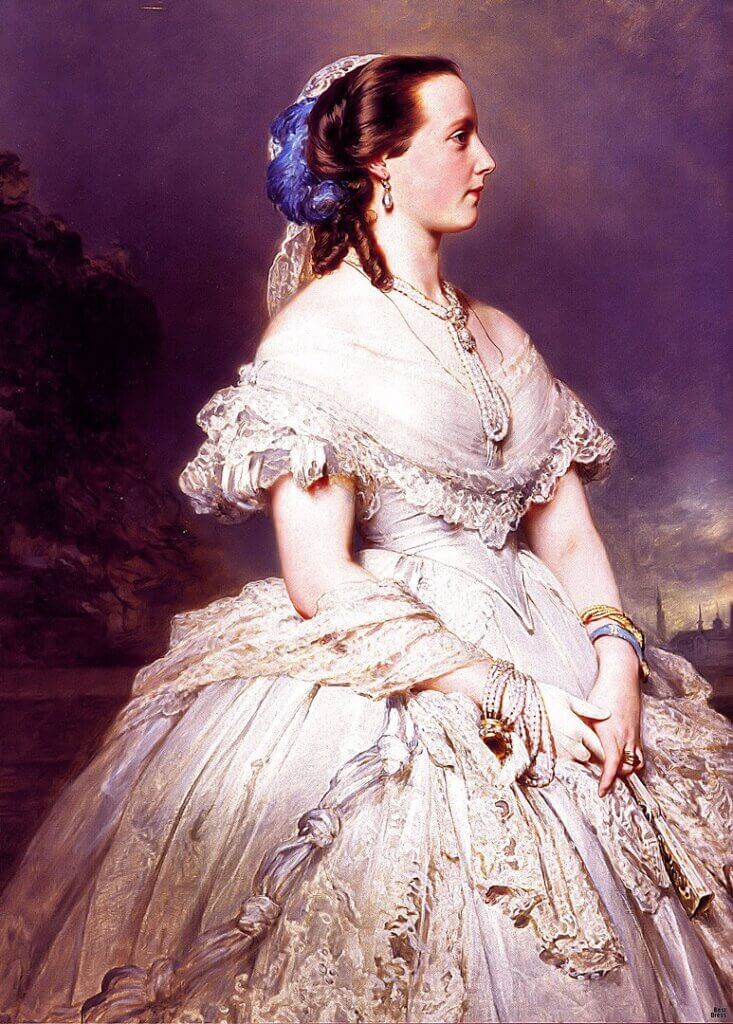
Marie Henriette of Austria- Queen of the Belgians 1865-1902 (King Leopold II)
Marie Henriette was born in 1836 in Hungary to Archduke Joseph, Palatine of Hungary, and Duchess Maria Dorothea of Württemberg. She was known to be an emotional child and spent much of her time outside with her horses.
Marie Henriette was married to Prince Leopold of the Belgians on 23 August 1853, the son of King Leopold I. Although he was the second son, Leopold was the heir apparent as the Crown Prince (his elder brother) died as an infant. Marie Henriette and Leopold had no interest in one another; the marriage was entirely strategic. They had a daughter in 1858, a son in 1859, a daughter in 1864, and another daughter in 1872. Their son and heir died at the age of ten, leaving the Belgian throne to pass to Leopold’s nephew.
Marie Henriette lived separately from her husband following their third daughter’s birth; she spent most of her time with her horses and other animals, and spent a good deal of time travelling to spa towns (including the city of Spa). Notably, she did not support her husband’s “projects” in the Congo.
Why Don’t We Know Her? This one seems fairly obvious to me- her husband was responsible for some of the greatest human atrocities in the late nineteenth and early twentieth centuries, and that rightfully takes centre stage.
Which lesser known royal consorts are you most interested in?
Cheers,
The Historian
Facebook | Threads | Instagram | Pinterest