As it is Women’s History Month in Canada, and I am Canadian, I am celebrating WHM for a second time this year! And although I often feature women’s history on the blog, I specifically go out of my way to focus on it in March and October. Women’s stories are so often ignored by historians, and they deserve to be known, too. Today we are focusing on art history, particularly painters, an artform largely dominated by male artists. These are 5 female painters you should know!
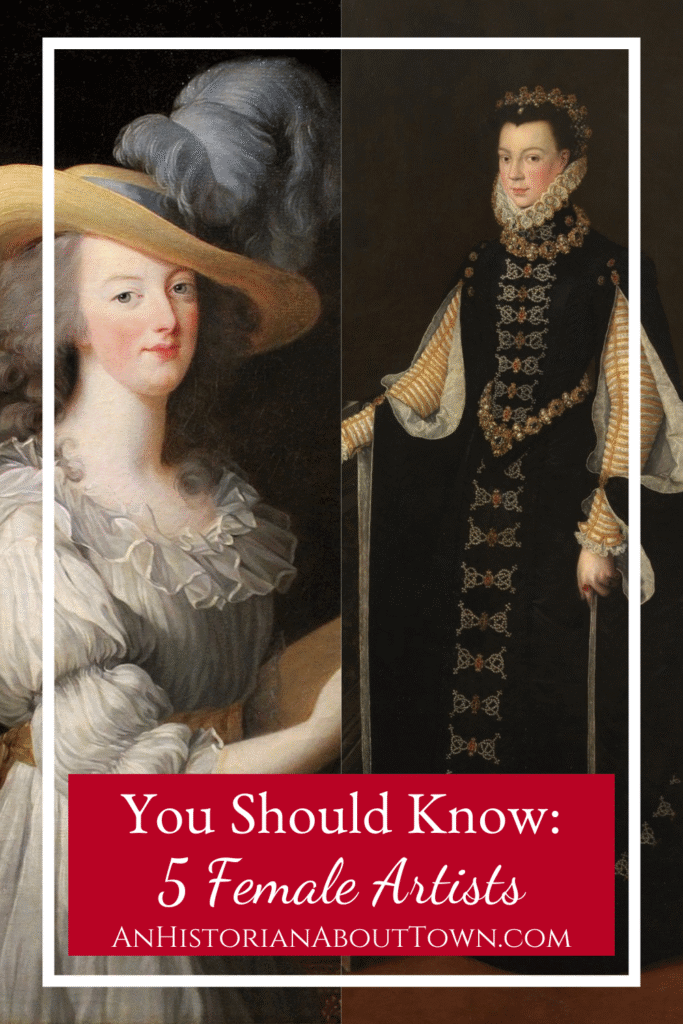
5 Female Painters You Should Know
There are a few artists that I think people will be upset to not see on this list, but as they are already fairly popular, I decided to look elsewhere. (This includes Artemisia Gentileschi who became more popular with the #MeToo movement, and Frida Kahlo and Georgia O’Keefe. All are incredibly talented but are well-known.)
Each of these painters was gifted and talented in their own way, but have been largely ignored for one reason or another. There is no better time to change that than Women’s History Month!
Note: this list focuses on Western artists, as that is what I am more familiar with. I am currently doing more research on female artists in the East- if you have any books or sources to recommend, please let me know!

Sofonisba Anguissola
When: 1532-1625
Where: Born in Cremona (Italy); worked at the Spanish court
Who/What: Known for detailed self-portraits; portraits of Queen Elisabeth de Valois, King Philip II of Spain
Why: Anguissola’s portraits were incredibly detailed and her royal portraits in particular influenced several generations of artists. Peter Paul Rubens (the artist behind the panels on the ceiling of Banqueting House in Whitehall) reportedly used her portrait of Elisabeth for inspiration; Caravaggio also drew inspiration from her works. A very young Anthony van Dyck created a portrait of her a year before death, and during the process, she offered a good deal of advice on painting.
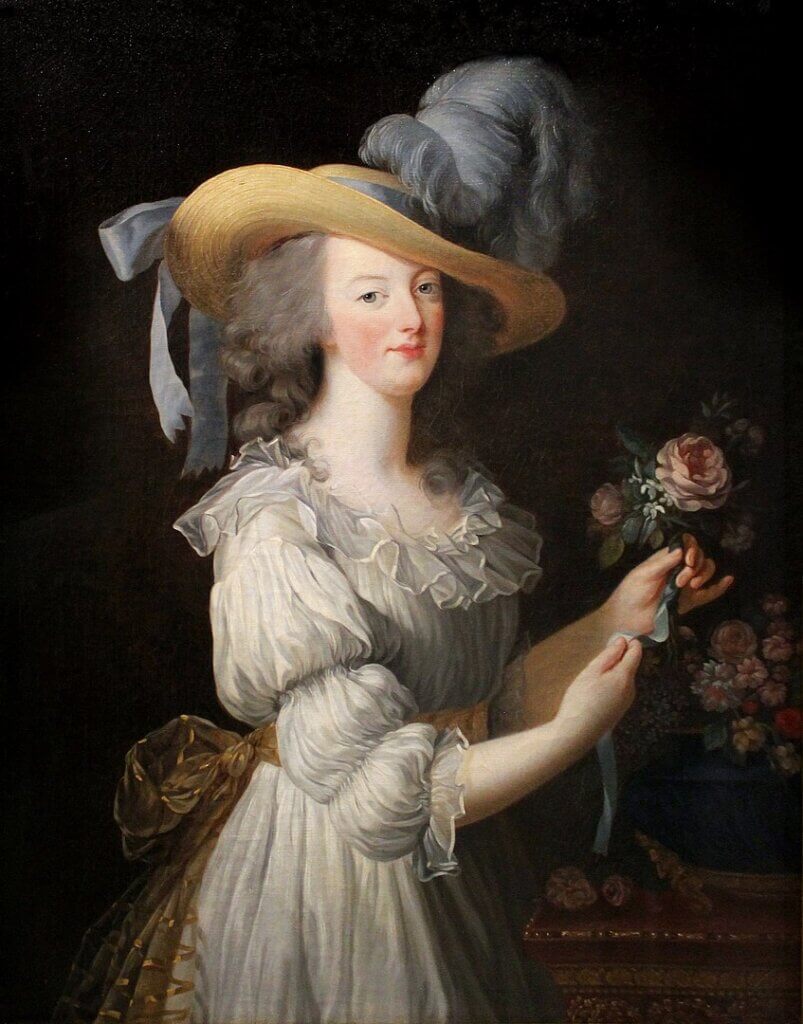
Élisabeth Vigée Le Brun
When: 1755-1842
Where: Born in Paris; spent much of her life in France but also left during the French Revolution
Who/What: Known for being Marie Antoinette’s first and official portrait painter
Why: Rising from a common family, Le Brun established herself as Marie Antoinette’s favourite painter, creating over 30 portraits of the queen. (She was appointed before the age of 30!) She also painted portraits of countless other French, Italian, Austrian, and English aristocrats during her travels, many with female subjects. She also published her memoirs towards the end of her life. (Most of the portraits you picture when you think of Marie Antoinette are from Le Brun.)
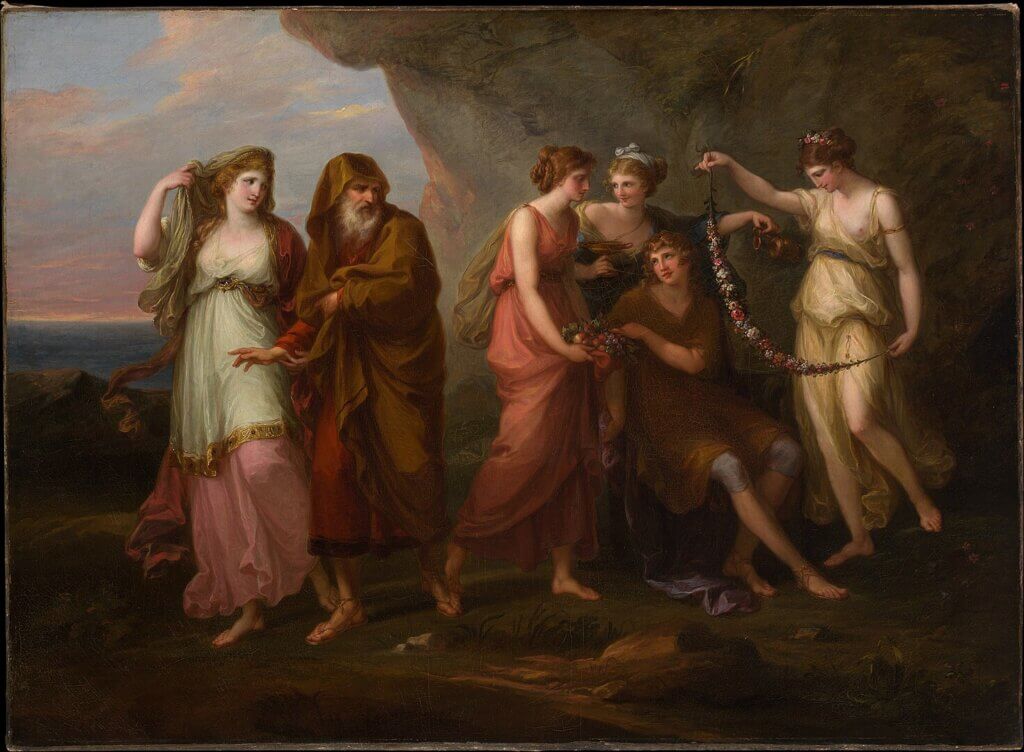
Angelica Kauffman
When: 1741-1807
Where: Born in Switzerland; worked in both London and Rome
Who/What: Known for her historical paintings and her landscapes; a member of the Royal Academy of Arts. Her first portrait to be publicly displayed in London was her likeness of actor and director David Garrick.
Why: Although Kauffman has largely been forgotten among the general public, she was one of only two women to be a founding member of the Royal Academy of Arts. Upon her arrival in London in the mid 1760s, Sir Joshua Reynolds immediately recognised her talent and acted as a kind of mentor. Her peers also recognised her talent, particularly with historical and Classical subjects, considered to be one of the greatest forms of painting.
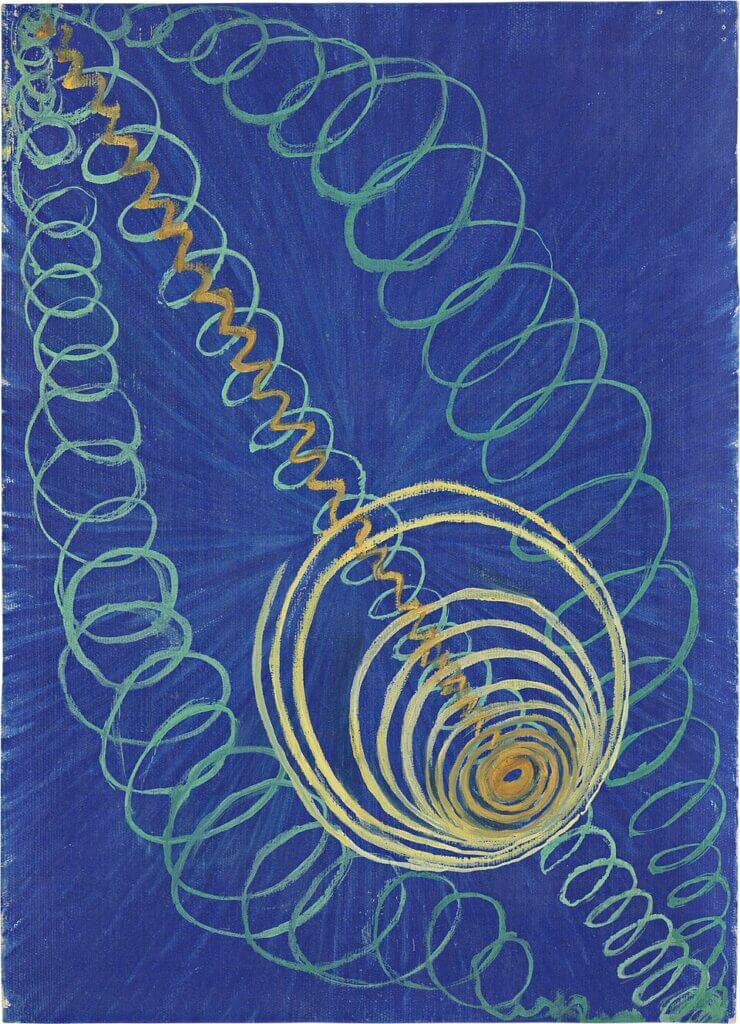
1906–1907
Olja på duk
53 × 37 cm
HAK016
© Stiftelsen Hilma af Klints Verk
By Hilma af Klint – [1], Public Domain, Link
Hilma af Klint
When: 1862-1944
Where: Sweden
Who/What: Known for being the first artist to paint in an abstract style before the movement began. Also known for being a mystic and belonged to a spiritual group called “The Five”.
Why: Celebrated as one of Sweden’s most talented artists, Klint’s works hang in galleries across the globe. She studied at the Royal Academy of Fine Arts and was considered to be talented from a young age, but it was her involvement in mysticism that propelled her art. She was interested in Theosophy, Theosophy and Anthroposophy, and it was these movements that inspired many of her abstract paintings.
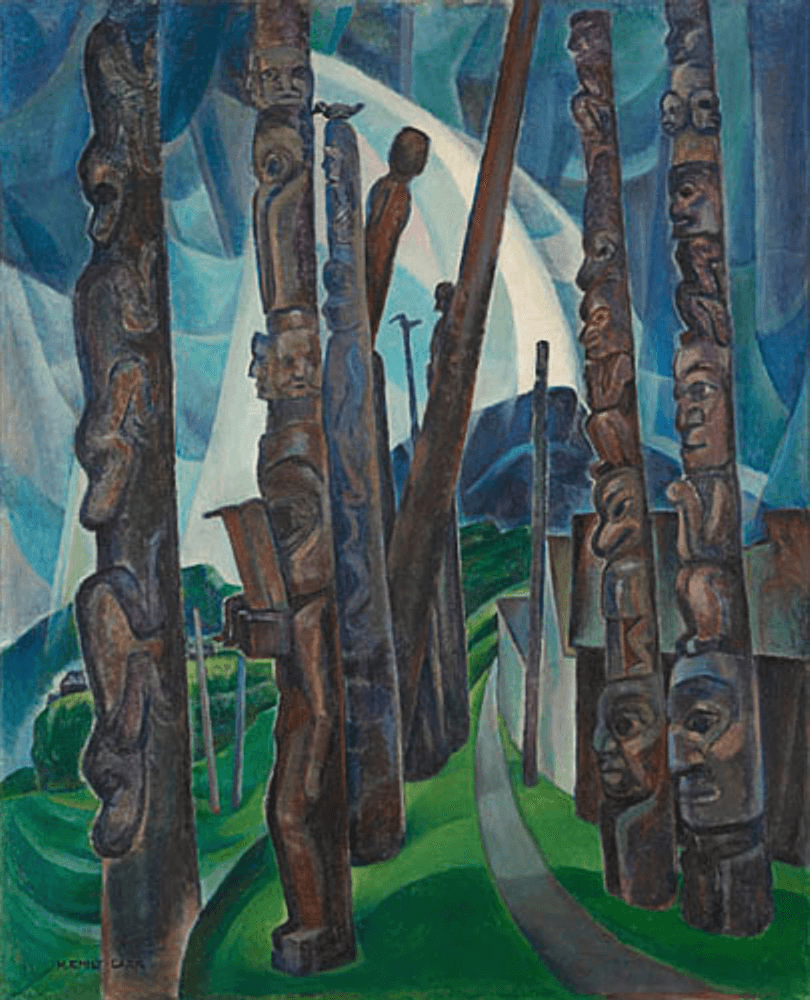
Emily Carr
When: 1871-1945
Where: Canada; largely British Columbia
Who/What: Known for her landscapes of BC and Indigenous artwork, settlements, and monuments. Also known for her book Klee Wyck, on her time spent with Indigenous Communities
Why: Carr is considered one of the greatest artists in Canadian history. Although she was not formally a member of the Group of Seven (a group of Canadian landscape painters in the beginning of the twentieth century), she is heavily associated with the group. She was one of the first artists to focus on Indigenous culture, and her paintings really capture the soul of Canada’s western landscapes.
Who are your favourite female artists that we should know about?
Cheers,
The Historian
Facebook | Threads | Instagram | Pinterest