As of the time of posting (March 2025), Canada is facing difficult times on the world’s stage. And support is a mixed bag. (We appreciate it, international friends!) However, long before this global political uncertainty… began?…, it has been very obvious that everyone writes Canada off as the nice but boring country. How many people are obsessed with US history and visit the US multiple times but forget and/or ignore that Canada also has a rich and fascinating history? (Especially my friends from the UK- I suspect that many in the UK think that Canada is simply an extension of the UK and you already “know it” but that isn’t true!) To help combat this and show how interesting we are, today I am sharing five women from Canadian history that you need to know!

Five Women from Canadian History You Need to Know
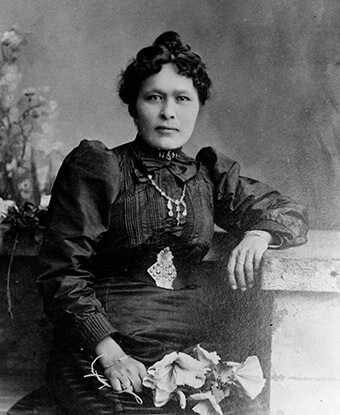
Shaaw Tláa/ Kate Carmack, Prospector (1857-1920)
Shaaw Tláa was born in what we now know as the Yukon and was a member of the Tagish First Nation. Her first husband and child passed away from illness; she became Chris Washington Carmack’s common-law wife and she helped to support their family as a seamstress and trader.
Also known as Kate Carmack, she was in the party that discovered the first gold nugget in Rabbit Creek (later renamed to Bonanza Creek) in 1896. Many historians have credited Carmack as being the person who discovered the gold nugget herself. The party’s discovery would launch what would become known as the Klondike Gold Rush. Over 100,000 people moved to the Yukon over a three year period from 1896 to 1899 to mine gold.
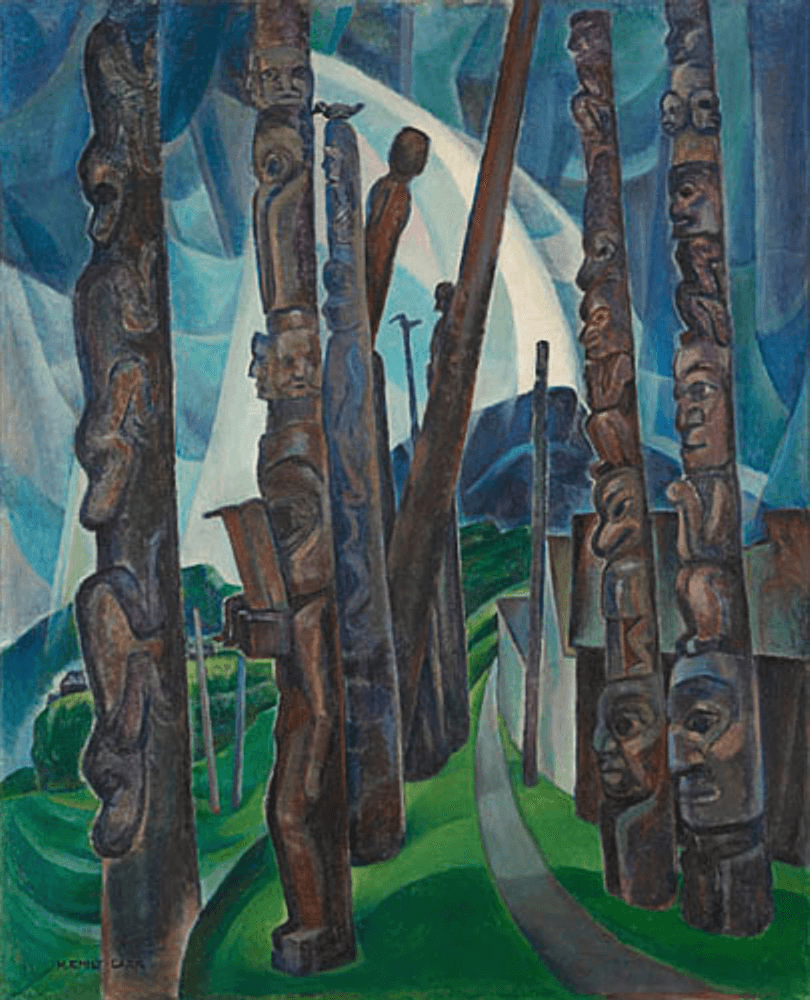
Emily Carr, Painter (1871-1945)
Emily Carr remains one of Canada’s most celebrated painters and is known for her paintings of the West Coast of Canada. She was born in Victoria, British Columbia and spent most of her life there, though she spent time living in San Francisco and trained in fine arts in London and St. Ives. She is considered a Post-Impressionist painter. As the National Gallery of Canada explains,
Her later paintings of the vast Canadian West Coast sky and monumental trees, with their sweeping brushstrokes, demonstrate her continued desire to paint in a “big” way that she felt was in keeping with the expansiveness of her environment.
Carr’s works also explored Indigenous settlements and lands, highlighting First Nations culture on the West Coast. (See her painting Kitwancool from 1928 above!)
Interested in more book previews, period dramas, royal news, and more? You can subscribe to my biweekly substack newsletter here: https://anhistorianabouttown.substack.com/!
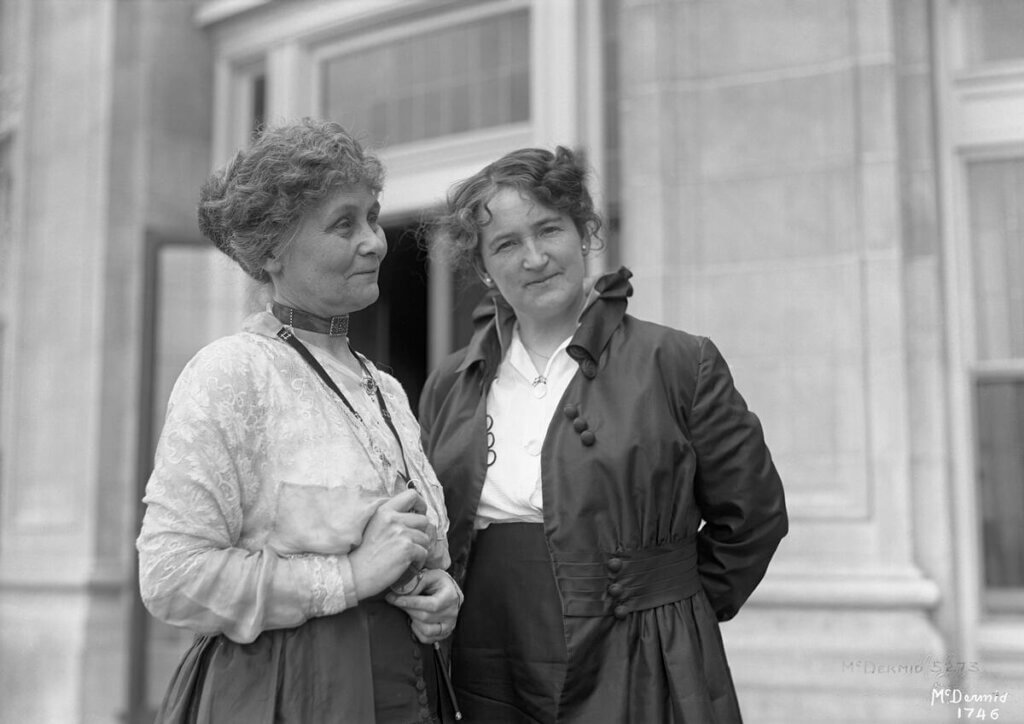
Nellie McClung, Women’s Rights Activist (1873-1951)
Nellie McClung was a women’s rights activist in Canada and an author, and was a member of the Famous Five, a group of five Canadian women who petitioned the federal government for women to be able to sit in the Senate. She was born in Ontario, moved to Manitoba in her childhood, and then would move to Alberta in adulthood. In 1912, McClung was one of fifteen women who founded the Women’s Political Equality League in Manitoba to formally fight for women’s rights. Although she had moved to Alberta by this point, Manitoba was the first province in Canada to grant women the right to vote in 1916, with her work providing a solid basis.
McClung was heavily involved in politics and was voted into the provincial legislature in Alberta in the 1920s. And in 1927, McClung and the other four members began the case that would challenge the definition of “Persons” used in Canada. In 1929, a ruling overturned the idea that women were not considered to be “persons” legally. And fun fact: McClung was the first woman who served on the Canadian Broadcasting Company’s board!
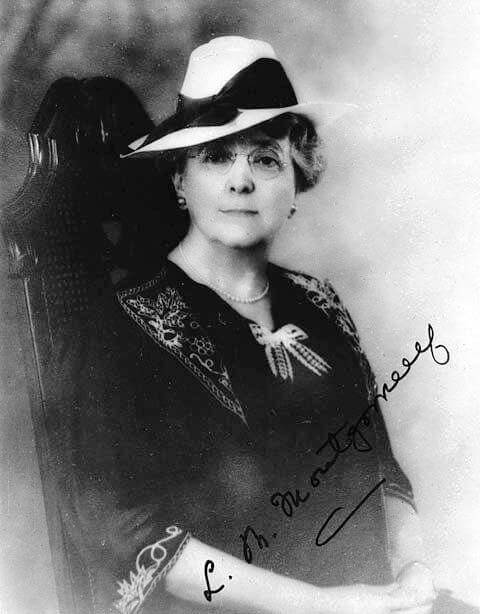
Lucy Maud Montgomery, Author (1874-1942)
Lucy Maud Montgomery, aka LM Montgomery, is known the world around as the author behind the Anne of Green Gables and Emily of New Moon books and is arguably the most famous Canadian author. (There could be a strong case for Margaret Atwood, as well.) Born in PEI, she spent much of her childhood living in Saskatchewan before returning to the East Coast where she studied at Dalhousie University.
Montgomery began publishing short stories and poems in 1897, but it was Anne of Green Gables’ publishing in 1908 that cemented her authorial career. The book was immediately popular and the sequel, Anne of Avonlea, followed in 1909. Further books in the series were published in 1915, 1917, 1919, 1921, 1936, and 1939. The Emily of New Moon series began in 1923 with the third book published in 1927.
Translations of her novels have remained immensely popular and beloved around the world to this day.
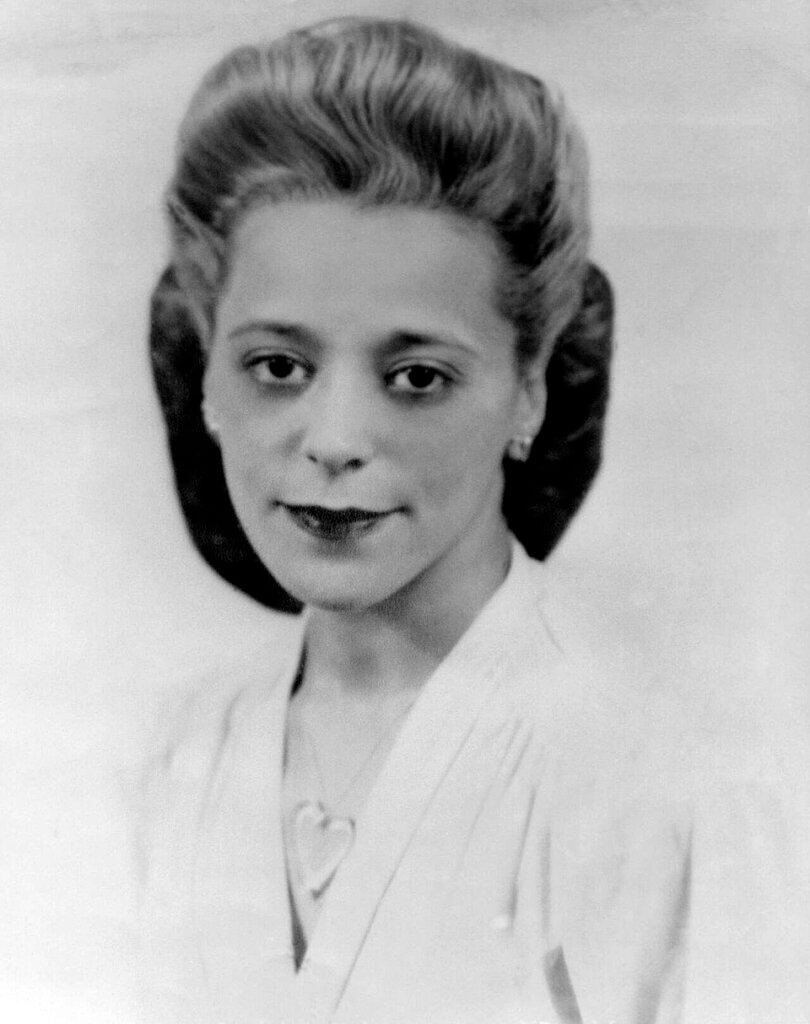
Viola Desmond, Rights Activist (1914-1965)
If you have visited Canada and handled any of our cash, you have probably seen Viola Desmond on our $10 bill! (It is the purple bill.) Desmond was of Black Nova Scotian descent and became a successful businesswoman in Halifax with her beauty salon and training school. She focused on Black clientele, as she was unable to find either the services or the training needed to care for her own hair.
In 1946, she went to see Olivia de Havilland’s movie, The Dark Mirror, while waiting for her car to be repaired. She asked to sit on the main floor to better see but the theatre staff would only allow white patrons to sit in the main seats. Desmond refused to leave and was arrested, with a subsequent trial. Desmond’s role as a Black rights activist and women’s rights activist was not widely recognised until the twenty-first century.
I hope that you’ve enjoyed this glimpse into some of the most interesting women in Canadian history!
Cheers,
The Historian
Facebook | Threads | Instagram | Pinterest