Welcome to Part II of my top 10 style history books! Last week’s Style File Friday looked at my favourite pop and general style history books. A lot of people want to enjoy style and fashion history for the clothing along, and that is wonderful. However, there are also some of us who want to delve deeper and dig into the history behind it. Clothing is always changing and evolving, but what is causing those changes? Inquiring minds must know! These are my favourite academic style and fashion history books, for the second part of my top 10 style history books.

Academic History Books
These books are written for an academic audience. They aren’t textbooks, but they are written by historians and art historians with an academic reader in mind. There are full citations and bibliographies, in-depth analysis, and a much more honed in approach. You will find that academic history books generally have a higher price tag, but I also find I return to them much more frequently than I do general history books. If you aren’t in the mind to purchase them, you might be able to find them at a public library. You can also check with your own alma maters and local universities; many will offer free or cheap library cards, and many institutions are going with ebooks, as well now.

How to Read a Dress: A Guide to Changing Fashion From the 16th to the 20th Century, Lydia Edwards
This dress has been all over Instagram and Pinterest for the last two years, and I can see why. It is well laid out, has countless pictorial examples, and is easy to read! I do have two criticisms of this book though, that mean it should be used in a specific way. Firstly, Edwards does not tell us WHY any of these changes in dresses happened. Why was muslin used in early Regency dresses? Why did mantuas come into style? And why are certain colours and patterns popular when they are? You can usually always find a reason for these things. A war has increased patriotism, industrialisation has made mass market fabrics widely available, or a popular society woman favoured one style. However, she doesn’t actually explain any of that. A historian’s job isn’t to merely give examples but to explain why, and she hasn’t done that.

Secondly, I know that the provenance of surviving garments isn’t often known, but there isn’t any background information provided for a lot of the garments in this book. She seems fixated on using a few specific museum collections, and if they did not have the information, it isn’t there. Normally, that wouldn’t be crucial, but when you are “reading” the specifics of a garment, it actually does make quite a difference.
This book can be useful though; I would recommend that you use this for examples and cross-referencing when looking at other garments. If you need to know what period a dress came from, this book would be able to help you generally place the era. It is also a great primer for anyone getting started in fashion and style history- if you don’t know anything, having many examples can help.

Global Fashion Brands: Style, Luxury and History, Joseph Hancock
This is a true academic collection. If you aren’t familiar with them, they consist of usually 10-20 articles from different scholars. Global Fashion Brands is part history, part contemporary analysis, but I think it is quite useful. There are four sections: “From the Editors”, “Brands, Style and Mass Market”, “Brands in the Luxury Market”, and “Brands in Historical Context”. As you can imagine, I found the latter section to be of the most interest, particularly “Do contemporary luxury brands adhere to historical paradigms of luxury?”. I would personally pair Deluxe: How Luxury Lost It’s Luster with this collection, as it gives you a solid background for much of what is discussed here.
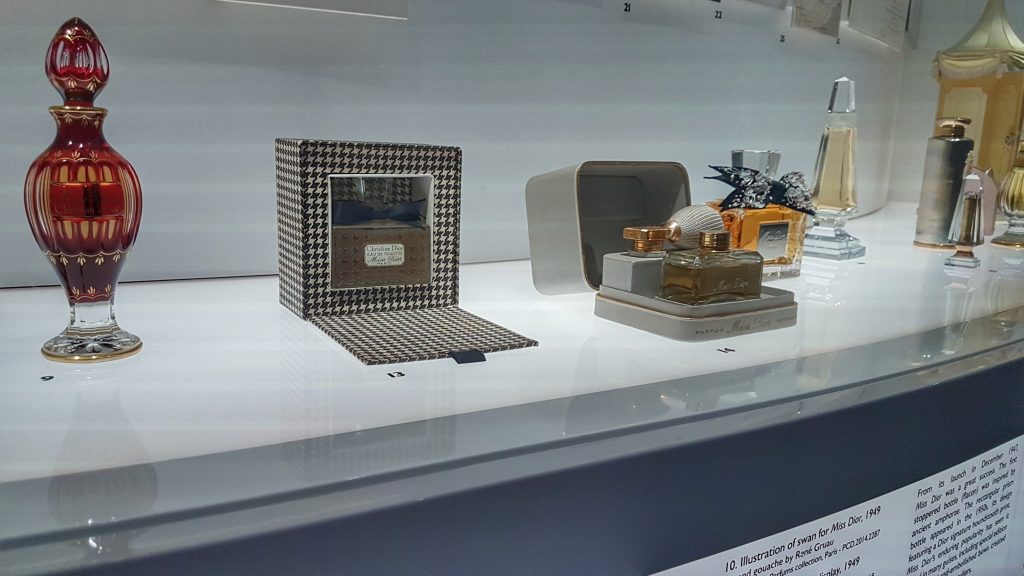
You will note that the collection focuses on the luxury industry, rather than clothing as a whole. There are some articles that focus on mass market fashion and the high street, but it is skewed towards luxury clothing and accessories. (Not that it isn’t interesting, but you if you were looking for in-depth study of mass market or more affordably priced clothing, I wouldn’t turn to this book.) Although the study of fashion in general is fascinating to me, I do have a particular interest in luxury. I think many of us are fascinated by these luxury brands, and on a sheerly practical note, luxury items tend to survive longer. If you look at the Fashion Museum in Bath or the Royal Ontario Museum’s textile collection, you will find that there are far more luxury items than every-day. Those every-day items were used and used until they had no life left in them usually, while higher value items tend to be prized and protected.

Queen of Fashion: What Marie Antoinette Wore to the Revolution, Caroline Weber
If anyone ever tries to tell you that fashion and style are not valid areas of study for an academic, tell them to read this book. Caroline Weber’s study of the role Marie Antoinette’s clothing played in life at French court and downfall is masterful, and emphasises just how important clothing can be. And no, most people don’t die tragic and horrific deaths directly because of their clothing, but it can play much more of a role than people think. And although it is written by an academic, it is quite easy to read without getting bogged down.

Weber looks at the evolution of Marie Antoinette’s clothing from when she arrived in France in 1770 to her death in 1793. She also looks at the clothing of courtiers, who would have been influenced by the Dauphine/ Queen, as well as her family and the textiles in their life. I hadn’t given it much thought before reading this, but embroidery would have played a substantial role in her life from a very young age, and it comes up throughout the book. Weber compares pre-Revolutionary France’s clothing with what the revolutionaries wore, and although we all learned about the culottes in school, it really drove home the stark difference. Fashion is no small matter, and there can be lasting consequences from it. (Also, if you are looking for some of the styles that Weber discusses, you can see them in How to Read a Dress.)
Couture and Commerce: The Transatlantic Fashion Trade in the 1950s, Alexandra Palmer
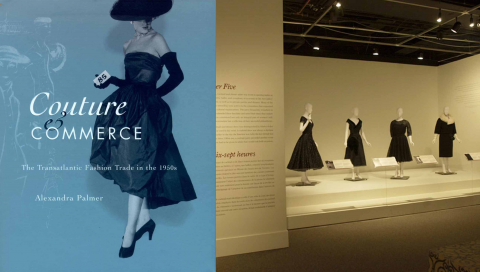
This is one of my favourite books that I’ve read this year, and given that I’ve read 60 thus far, that is an accomplishment. Alexandra Palmer is the Senior Curator, Nora E. Vaughn Fashion Costume Curatorship at the Royal Ontario Museum in Toronto. The ROM has one of the largest museum textile collections in the world, and she has curated several different exhibitions at the museum. While the Dior: Designer of Dreams show covered Dior’s migration to Britain, it didn’t cover how it made its way over the Atlantic ocean. (Not that I expected it to, but as a Canadian, I was interested.) Couture and Commerce looks at how couture was bought, sold, and worn in 1950s Toronto, including Dior, Chanel, Balenciaga, Balmain, and Lanvin. The world can feel small now with our ability to jump on a plane immediately to anywhere, but not so in the 1950s.
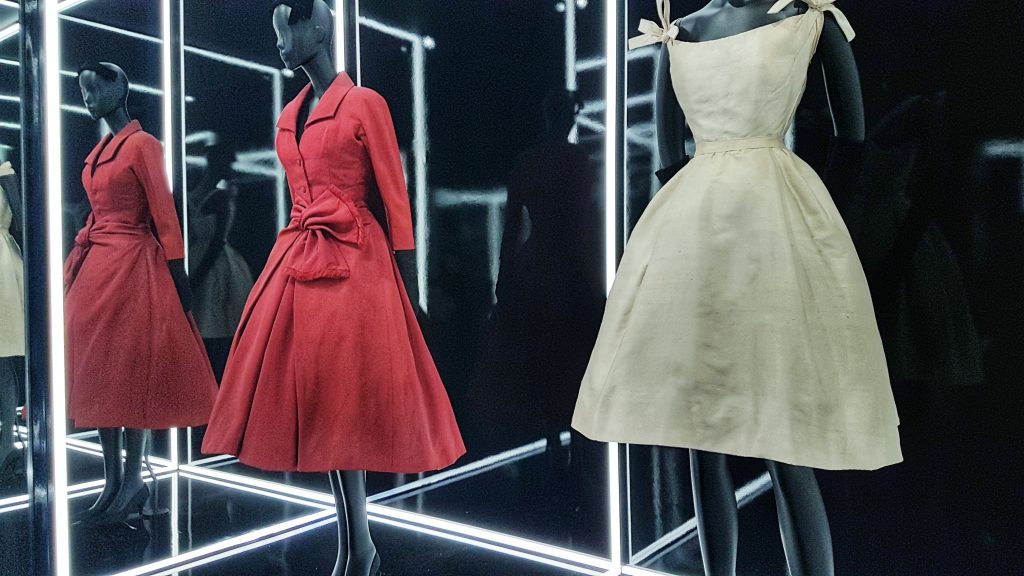
Palmer specifically looks at the situation from the point of view of the European couturiers, the North American buyer/ sellers, and the North American consumer. There are always moving parts to relationships, especially when there are more than two parties, and you quickly see that all had a part to play. I found it fascinating to learn about how buyers actually decided to buy a piece, and what customers required in their garments. She also examines the life of a garment, and all of the ways that it could be reused, altered, and re-sold to extend its life. While that practice is slowly coming back en vogue in 2019, it was standard operating procedure for most women in the mid-century period. Overall, this was a fascinating book, and incredibly well-written!
Inside the Royal Wardrobe: A Dress History of Queen Alexandra, Kate Strasdin
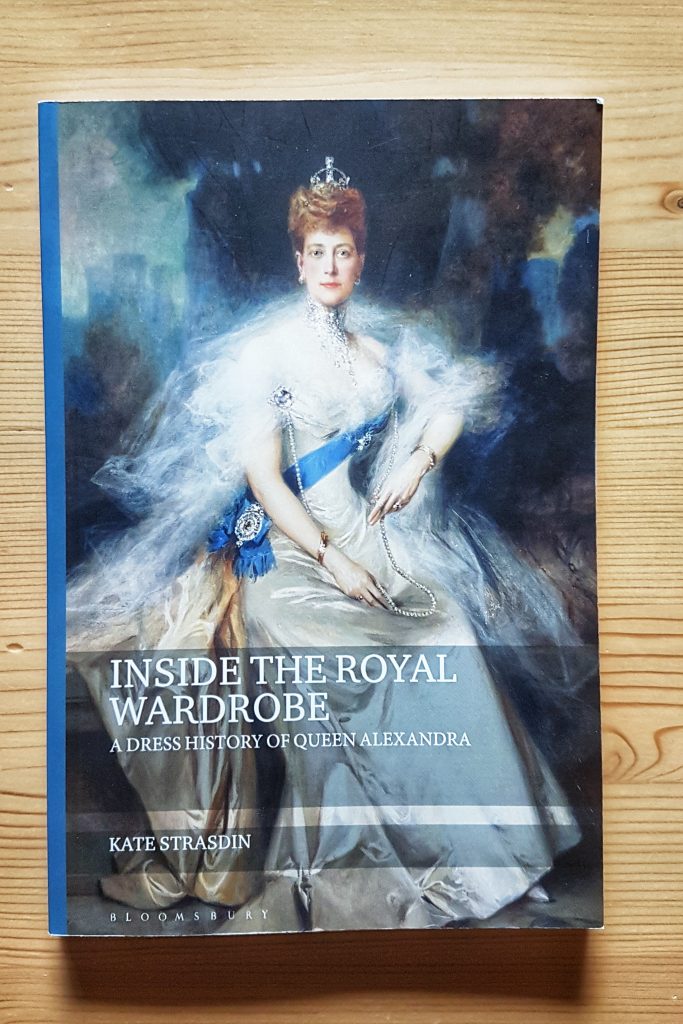
Without a doubt, Inside the Royal Wardrobe is my favourite book that I’ve read in 2019. I was able to purchase this book when I visited the Fashion Museum in Bath. This was quite fortuitous, as Kate Strasdin played quite a large role in the exhibition that I was there to see. She was the historical consultant for the Royal Women exhibition, and this book pairs perfectly with it! The exhibition opens with Queen Alexandra’s fashion, and most of the pieces in it are discussed at length in Inside the Royal Wardrobe. Princess/Queen Alexandra was the longest serving Princess of Wales, and her fashion life was absolutely fascinating.
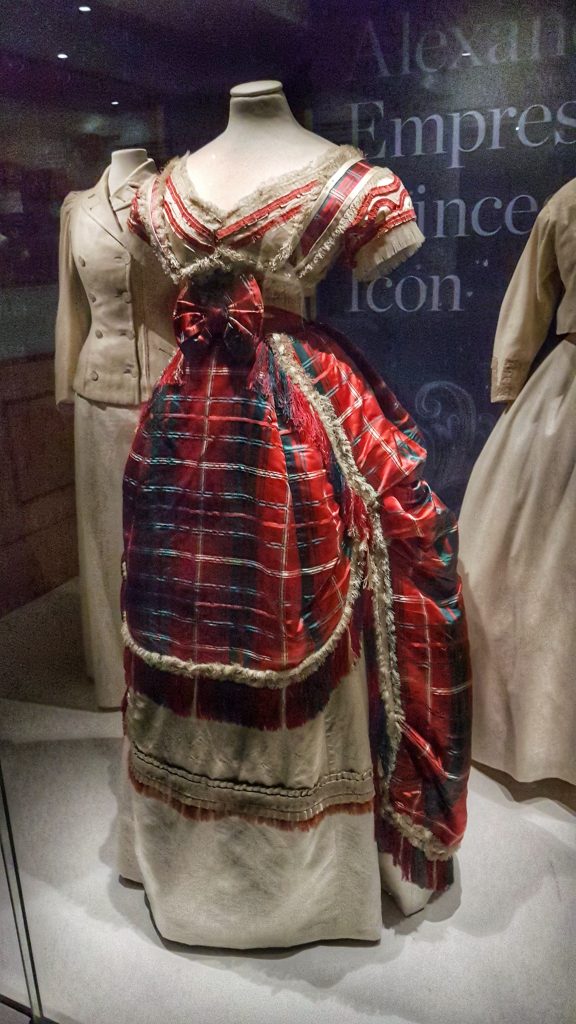
The study looks at all facets of Alexandra’s fashion from when she landed in England for her engagement to her death. It also covered the very interesting topics of royal wardrobe management and the dispersal of the royal wardrobe. I think that the last few generations of modern royals have known that their clothing will be kept and studied, but that wasn’t necessarily a thought in the nineteenth century (other than Queen Victoria). A lot of Alexandra’s clothing was altered or given away, so much of her enormous wardrobe is gone, but the surviving pieces are still fascinating. Alexandra was very conscious of how fashion factored into her public image, and used it well- she was much beloved, and women strove to emulate her style for decades. Strasdin examines how Alexandra accomplished this, and what role it played in both her public and private lives. A very interesting fashion biography of a very interesting royal!
What style history books are you reading right now?
Cheers,
The Historian
Facebook | Twitter | Instagram | Pinterest | Bloglovin’