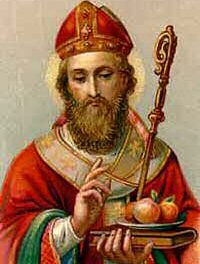
Today is the Feast of St. Nicholas! St. Nicholas is a lot of what we know of Christmas in the 21st century; from specific St. Nicholas traditions, to a huge proportion of advertising. He is the basis for our modern Santa! But where does it all start?
December 6 is the Feast of St. Nicholas, a fourth century Turkish bishop. It is said that he was imprisoned by Diocletian (not a great guy…), and attended the Council of Nicaea in 325. (Apparently, he smacked Arius. Gooooo St Nick!)

He is typically associated with youth, in regards to his miracles. “The two most enduring stories concern a trio of daughters and three murdered boys. The saint, having heard that a poor man’s three daughters might have to become prostitutes, provided three bags of gold so that each one might have a dowry and find a husband… In another story, Nicholas visits an inn where the evil innkeeper has murdered three students and pickled them in brine. Nicholas detects the crime and brings the boys back to life” (p 156).

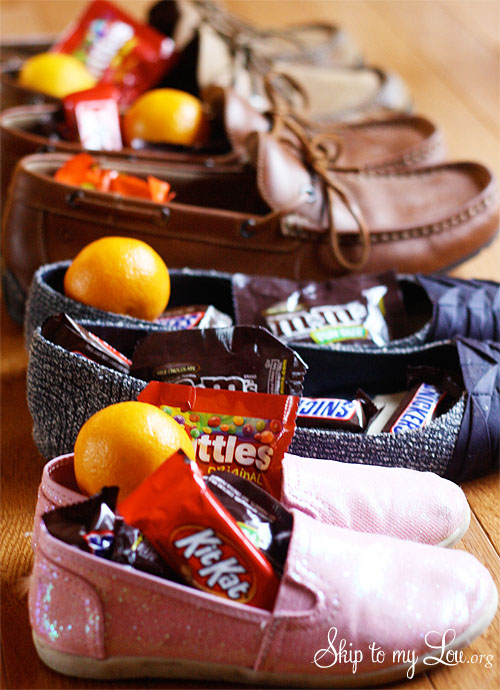
In some European countries, such as Germany, the Netherlands, and Belgium, children leave their shoes out on the night of December 5th, and wake up to small treats and gifts in their shoes! If St. Nicholas doesn’t find the children to be behaving, they receive a stick and nothing else. (Sooooo, behave kids.)

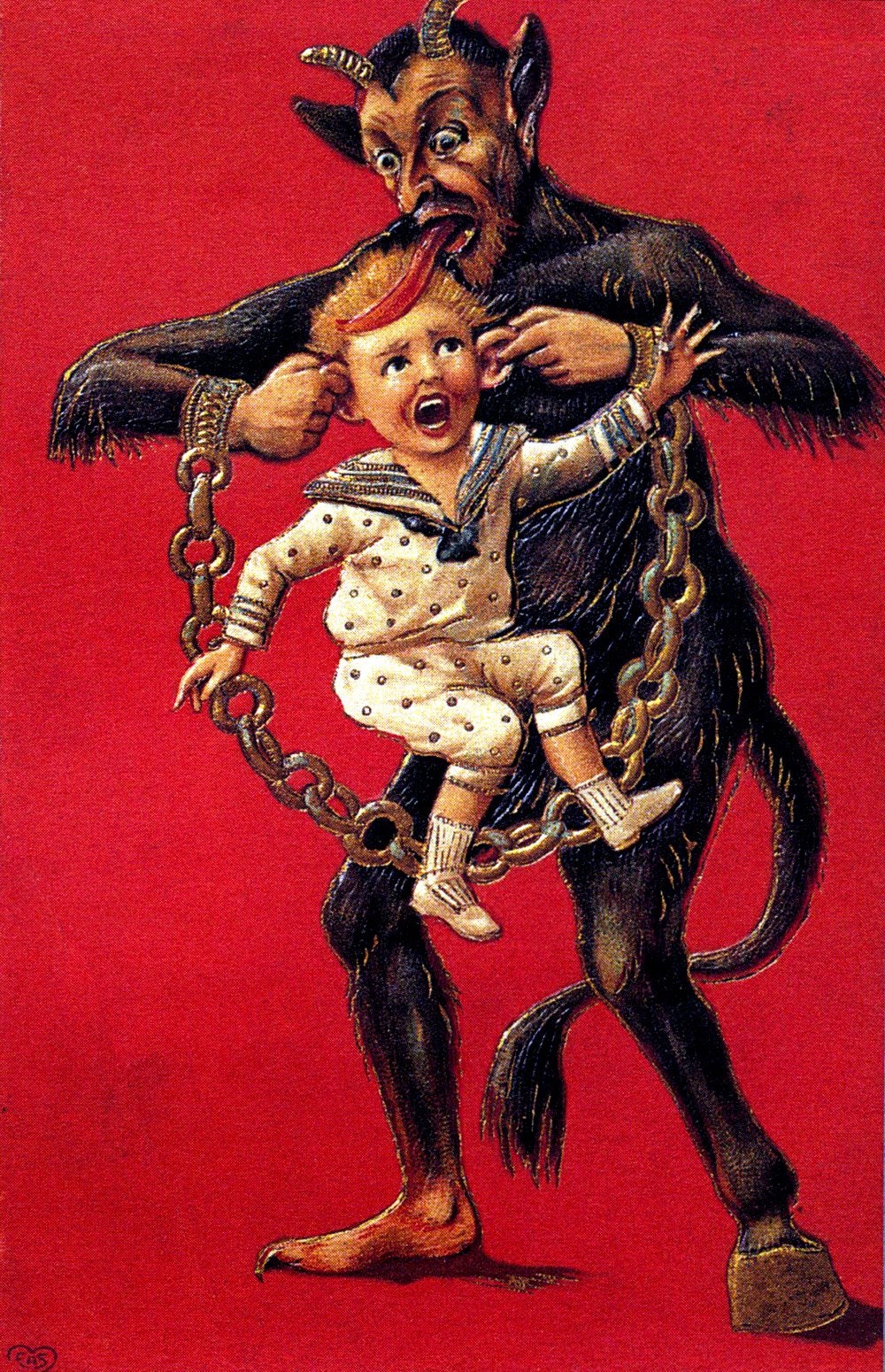
Another fun part of the St. Nicholas myth? Krampus! A demon/devil who accompanies St. Nicholas and whips bad children, he’s probably the most terrifying part of Christmas.

Once again, all information is from The World Encyclopedia of Christmas, by Gerry Bowler.
Bowler, Gerry. The World Encyclopedia of Christmas. Toronto: McClelland & Stewart Ltd., 2000.
Until tomorrow,
The Historian!


This is an interesting post. Thanks. I like reading about the history of tradition s and different tradition s around the world.
From Debra @ https://cultivatingtime.wordpress.com/
I find the history of Christmas fascinating! I should have more posts up soon!
Great idea
I’ve started following you so I can see them in my reader.
Really enjoyed reading about this tradition! Thank you for compiling these facts in such an interesting way!