Today one of my favourite holiday traditions reappears again- The Nutcracker! The Nutcracker is a part of many of our holiday seasons, in different ways at home and at the theatre. Maybe you go see the ballet with your family or friends, or you listen to the score while you bake. Or maybe you are like me, and have more nutcracker ornaments on your tree than you know what to do with. (I’ve also seen a resurgence in the Barbie Nutcracker movie appearing everywhere on social media…) In any case, I wanted to keep it fresh and fun for all of us. These Nutcracker fun facts will add to your holiday tradition, and maybe even win you a quiz or two!

The Nutcracker is a beloved ballet, and is many people’s first ballet. It is fun and magical and beautiful, and has earned its spot in holiday culture. A fun fact for me, this Christmas (2023) I will be in The Nutcracker for a walk-on role, and I’m thrilled to be able to experience it from the other side.
If you are interested in the history of The Nutcracker, I cover its nineteenth century premiere to its current popularity! But onto the fun facts- I’ve added even more to keep you entertained…

–The Nutcracker premiered at the Mariinsky Theatre, in St. Petersburg, on 18 December 1892! St. Petersburg society was not impressed, though; they thought the dancing was mediocre, and there were too many animals and children on stage.
–The Nutcracker is based on the book of the same name by ETA Hoffman (The Nutcracker and the Mouse King).

-The little fellow that we know as The Nutcracker isn’t actually Russian, he is German. Originally made in the German town Seften, miners out of work turned to wood carving around 1700 and nutcrackers flourished.
-US audiences first heard music from The Nutcracker in Disney’s Fantasia in 1940.
-Many of us know the heroine as Clara! However, she is also known as Marie, Masha, and Marichen, depending on where you see it.
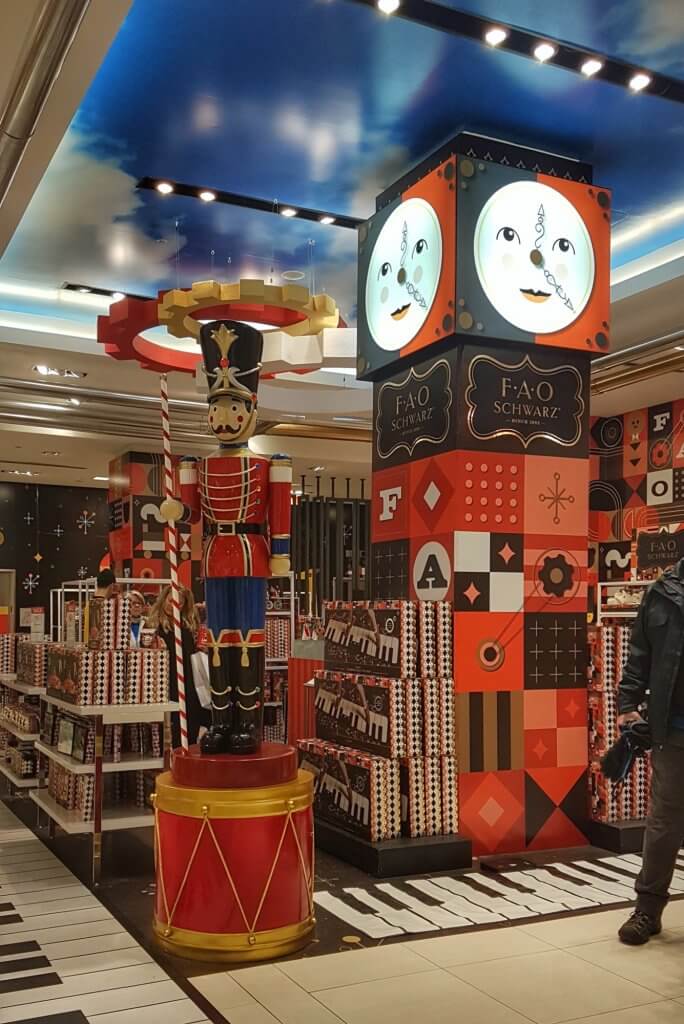
–Nutcracker season extends anywhere from October to January, depending on when your company happens to perform it.
-That interesting bell sound that you hear in the “Dance of the Sugar Plum Fairy” is quite unique; Tchaikovsky used a celesta to create it. A celesta is a like a piano, but has metal plates instead.
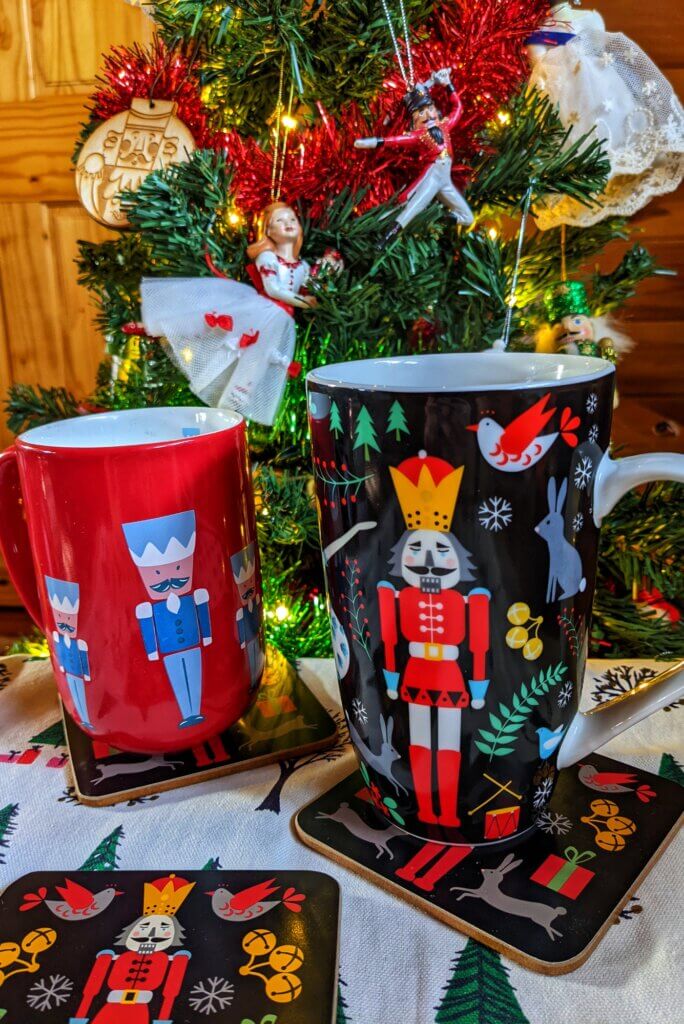
-Although the ballet itself flopped, 8 of Tchaikovsky’s pieces premiered as a separate orchestral suit early in 1892; The Nutcracker Suite was immediately loved. (But wasn’t enough to carry the ballet…?)
-In 1988, Care Bears Nutcracker Suite premiered- it is a Nutcracker retelling putting the beloved Care Bears at the heart of the story!
-In German folklore nutcrackers are known to protect the family and bring good luck, making them popular gifts for children.
What are your favourite Nutcracker fun facts? Leave them in the comments below!
Cheers,
The Historian
Facebook | Twitter | Instagram | Pinterest | Bloglovin’

“That interesting bell sound that you hear in the “Dance of the Sugar Plum Fairy” is quite unique; Tchaikovsky used a celesta to create it. A celesta is a like a piano, but has metal plates instead.” I love that you mention this! I just heard a celesta at the Chicago Symphony Orchestra and learned that it was a new instrument at the time Tchaikovsky used it in the ballet. He really put it to wonderful use! I always used to wonder where that sound came from… Now I know!