St. Giles’ Cathedral is one of Edinburgh’s most important buildings and continues to be. With the death of Queen Elizabeth II at Balmoral on Thursday 8 September 2022, Her Majesty’s coffin will undertake her last journey through Scotland. On Sunday, 11 September, she laid in state in the Throne Room at the Palace of Holyroodhouse. And on Monday, 12 September, she will lie in state at St. Giles’ Cathedral where members of the public will be able to visit and pay their respects. It is at the centre of the Old Town and dates back over half a millennium. Today we are looking at the history of St. Giles’ Cathedral.
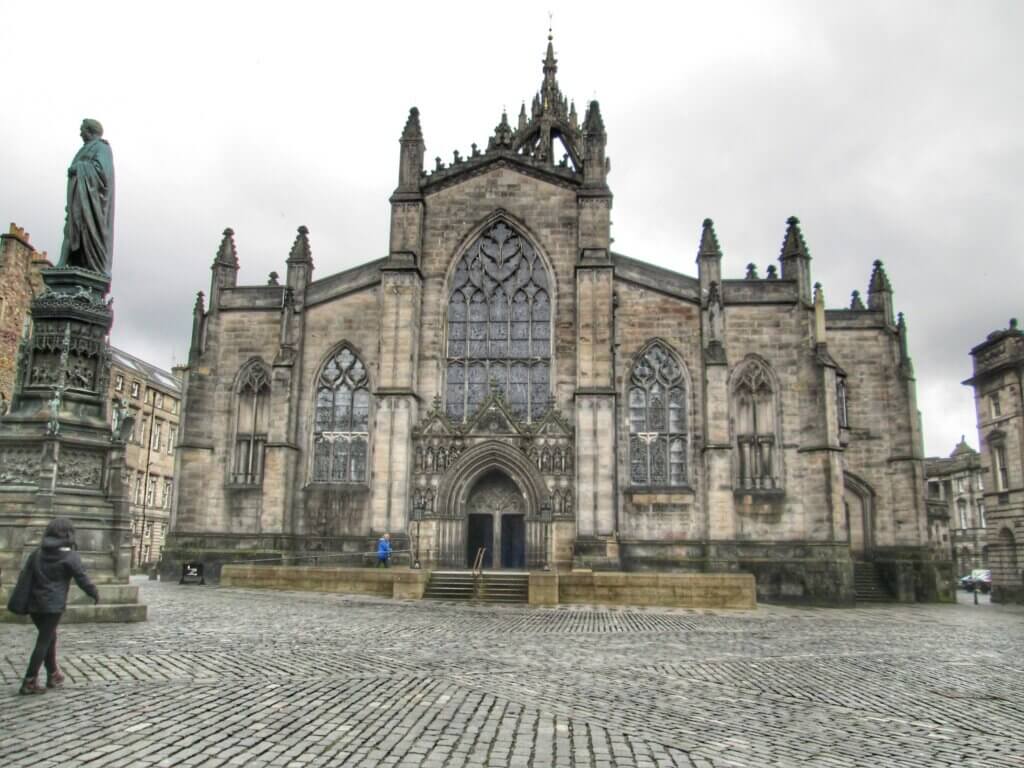
The Beginnings of St. Giles’ Cathedral
The first church on this site was built in the first quarter of the twelfth century, but the current cathedral that we see was started in the late fourteenth century. It is built in the Gothic style, and pieces were continually added throughout the following two centuries.

The Scottish Reformation
You cannot cover the history of St. Giles’ Cathedral without discussing the Scottish Reformation. In the middle of the sixteenth century, Scottish Protestants took control of much of Edinburgh, including the cathedral. Preacher and Reformer John Knox was elected as the minister of St. Giles’ in 1559, and aside from a brief window later in the year, it would remain Protestant. It is still the High Kirk of Edinburgh, meaning it is the principal place of worship in Edinburgh. (This is why the service honouring The Queen is being held there, as opposed to another church.)
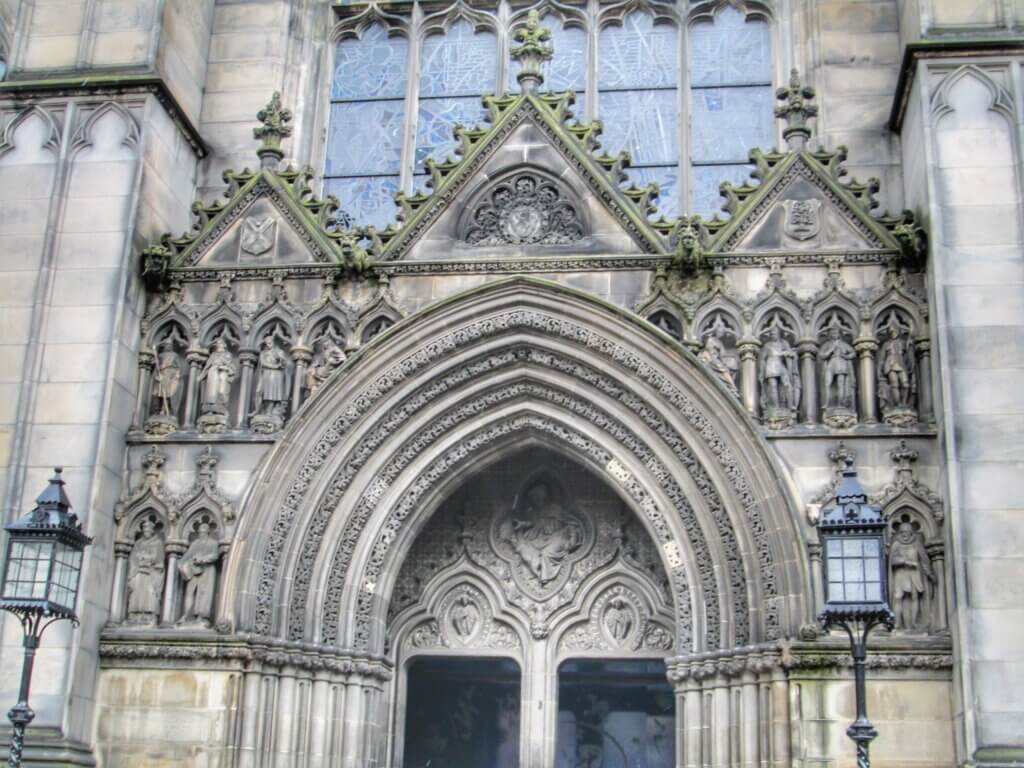
The Victorian Period
Jumping forward to the Victorian and Edwardian periods, the cathedral underwent significant changes. In the seventeenth and eighteenth centuries, it had been divided into several sections. However, in the late 1870s and early 1880s, the cathedral was restored to its early modern self. The restored St. Giles’ Cathedral was officially opened on 23rd May 1883.
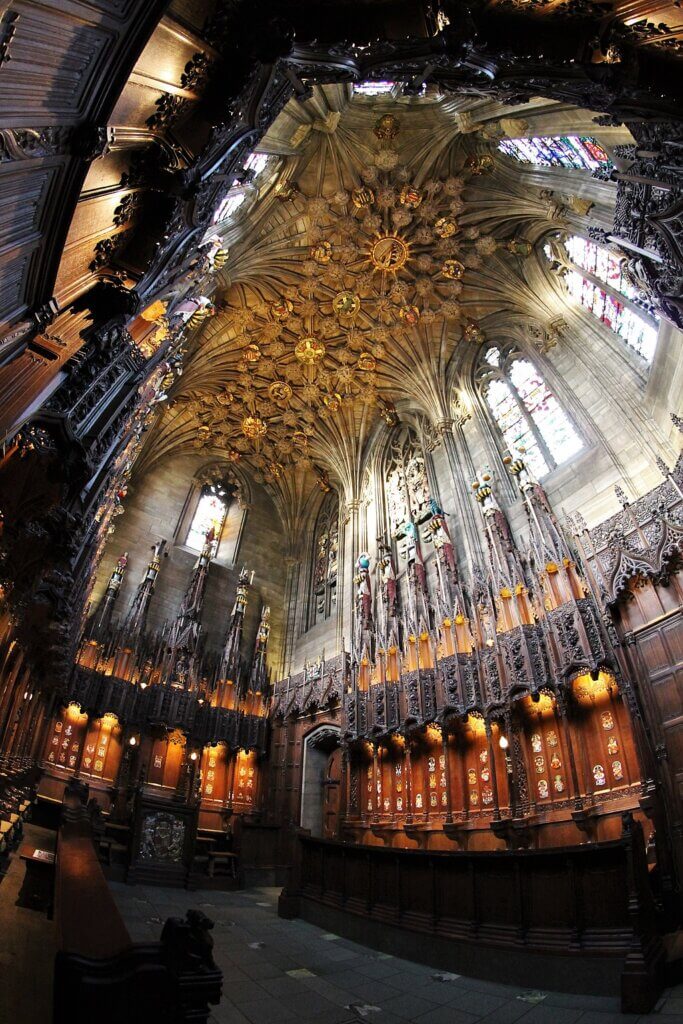
The Thistle Chapel
The original Thistle Chapel was in Holyrood Abbey when the order was founded by King James II/VII in 1687, but was removed after he was deposed. Queen Anne revived the order but it was not until King Edward VII’s reign that the chapel was rebuilt. By that point in time, Holyrood Abbey had been in ruins for well over a century, thus it was decided that it would be added onto St. Giles’. While it was finished before Edward died, it was officially opened by his son, King George V.
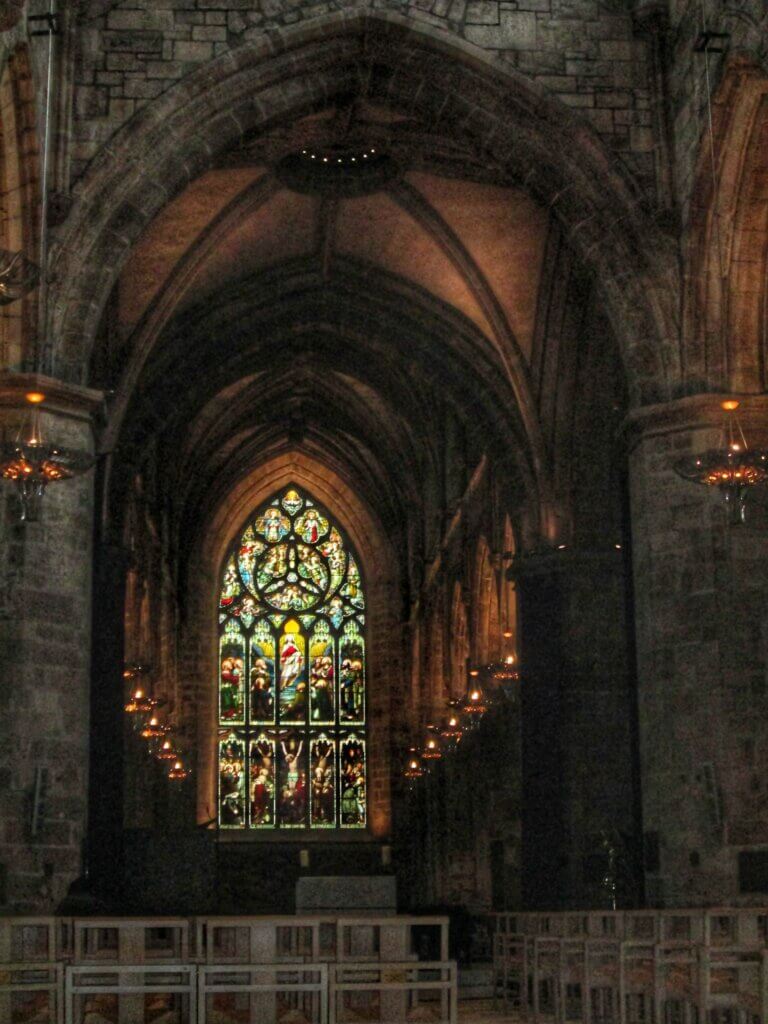
Queen Elizabeth II Lying-in-State (Monday, 12 September 2022)
At 2:30 pm on Monday, 12 September, the procession from the Palace of Holyrood to St. Giles’ Cathedral will begin. By 5:00 pm, members of the public should be able to visit and pay their respects. (From what I have read, there will be a ticketing/queuing system in place.) The cathedral will be open for 24 hours. On Monday evening, King Charles III and other members of the royal family will stand beside his mother’s coffin; this tradition, known as the “Vigil of the Princes” dates back to 1936 when Princes Albert (Duke of York, later King George VI), Henry (Duke of Gloucester), and George (Duke of Kent) stood watch over their father’s coffin.