There is a good chance that you haven’t heard of the Down Street Tube station. You can now only access it by booking tickets through the London Transport Museum (when available), as it has been closed for several decades. However, in spite of it’s short 25 year life span as a Tube station, it played an important role in London’s history. Like many different places and people, it was pressed into service during the Second World War. Today’s History Bite is all about the curious history of Down Street Tube station!

Where is the Down Street Tube Station?
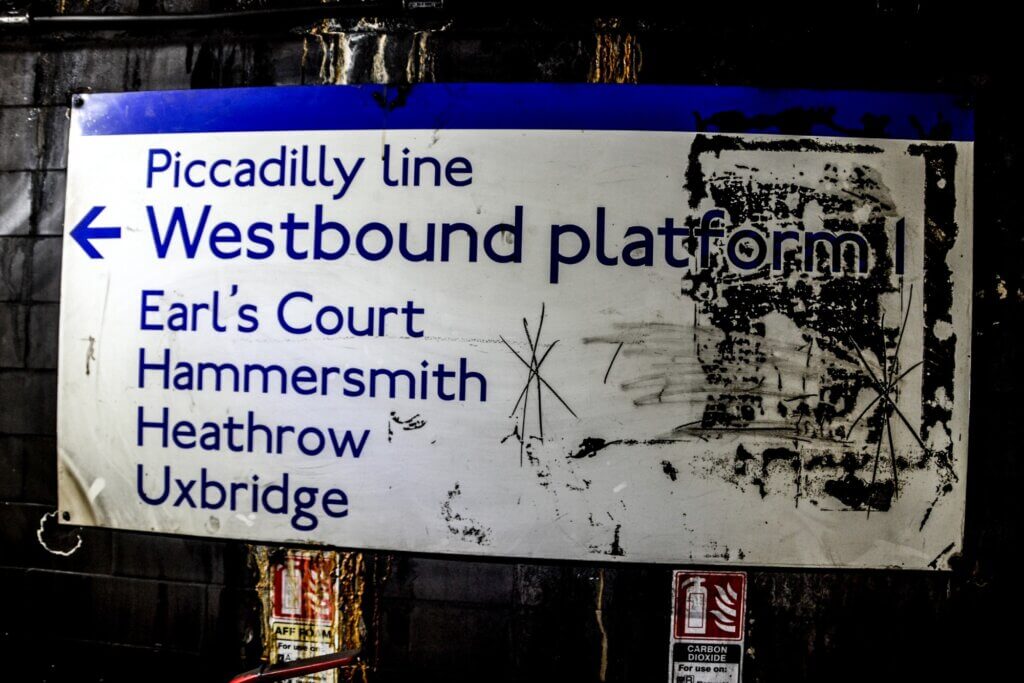
The Down Street station is between the Hyde Park Corner station and the Green Park station, meaning it was on the Picadilly line. (The royal blue line if you are looking at a current Underground map.) While most Tube stations tend to be in fairly central and main locations, Down Street is on a side street, making it a less popular choice with riders. And being located in the fashionable Mayfair, residents weren’t thrilled about the station to begin with.
When Was it in Use?
Only open for 25 years, the Down Street Underground Station opened on 15 March 1907 and closed in 1932. There were other Tube stations that were easier to access, and people didn’t bother with it. However, in 1939, it gained a new lease on life- it was chosen to be an underground bunker for the Railway Executive Committee.
Down Street Station During WWII
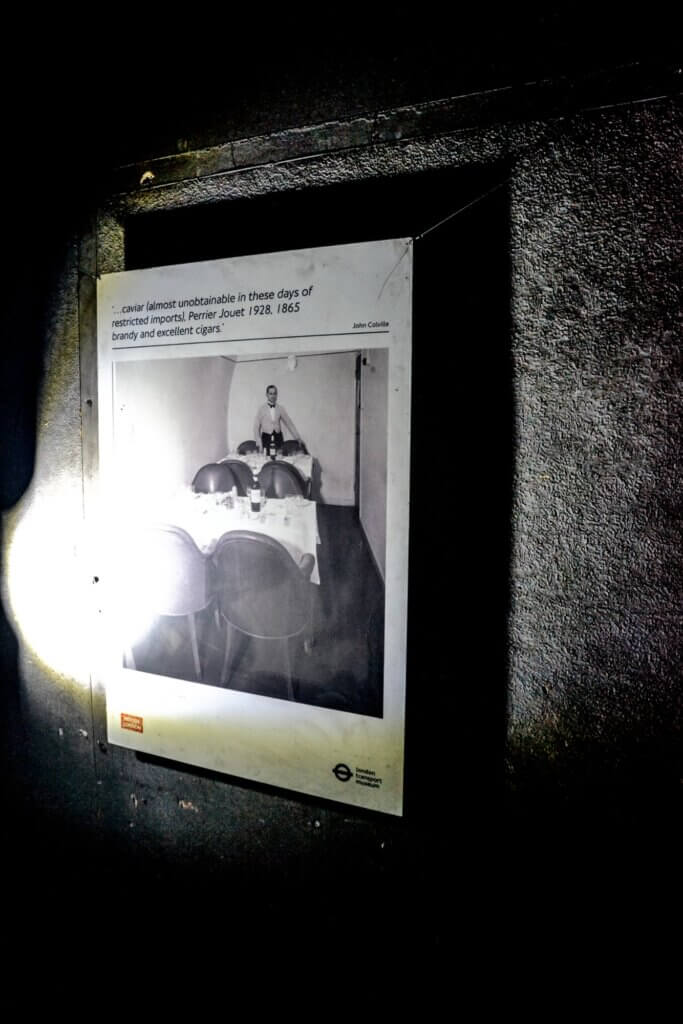
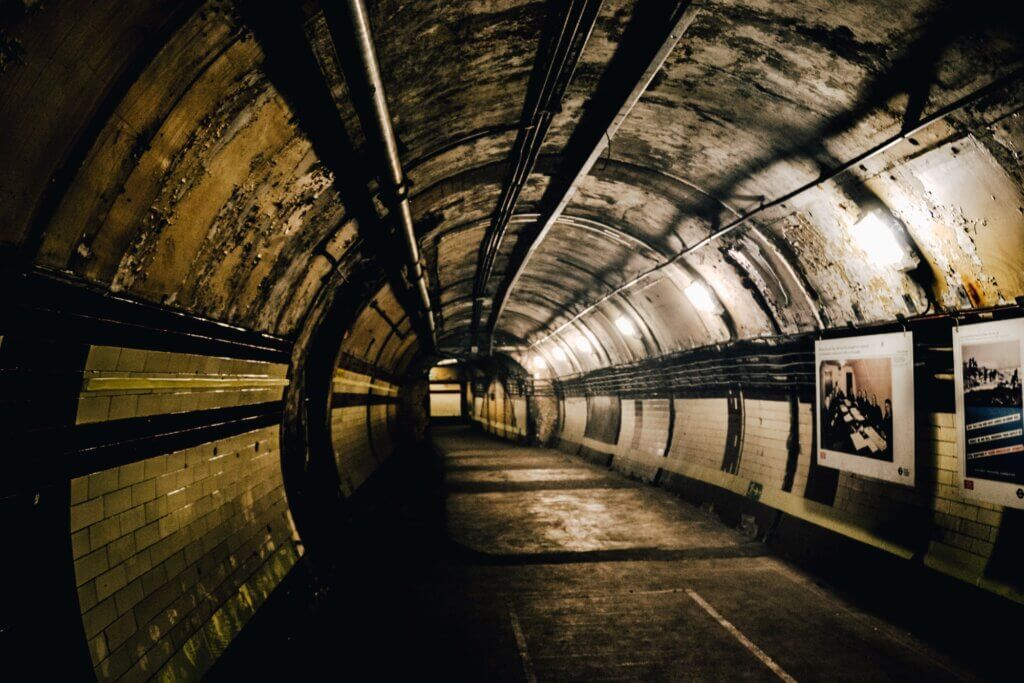
The group’s function was to ensure that British railways continued to run throughout the war. And as such, they needed to have a safe location. The different tunnels and platforms were renovated into offices, dormitories, dining rooms, and even bathrooms. Though a bit awkward compared to a regular office building, it was a secure and safe option. And Winston Churchill and some cabinet members used it until their own bunker was ready (now found at the War Rooms), so it clearly was a solid shelter.
How Did People Access Down Street During the War?
Atlas Obscura has a fantastic article on this Tube station, and they explain the somewhat covert way that people would access the station. “The executives could arrive at the bunker at street level, entering through the old building. But when it came to leave, they could choose a different route. There was still a short section of accessible platform, and if an executive left a red lamp there, the next train would stop so they could board the driver’s cab—the drivers were instructed to ask no questions. The other passengers of the train would be unaware of the cause of the stop, as the platform was only long enough for the front of the locomotive.”
If you are interested in learning about more Tube stations, one of my favourites is also on the Picadilly Line: Covent Garden Station!

Have you heard of the Down Street Tube Station?
Cheers,
The Historian
Facebook | Twitter | Instagram | Pinterest