In May 2023, King Charles III will hold his coronation at Westminster Abbey. It will be the first coronation in Britain in almost 70 years. Many of us have seen the footage from Queen Elizabeth II’s 1953 coronation, but it is still quite a strange event for many of us to process. Today I am kicking off my new series, Coronation Chronicles, where I will break down what a coronation is, what you can expect to see, and what the history behind these traditions is. Today we start with the big question: what is a coronation?

What is a Coronation?
Oxford Languages defines a coronation as “the ceremony of crowning a sovereign or a sovereign’s consort”. You will see coronation used to describe the entire ceremony or the physical act of the monarch and/or consort having the crown placed on their head. Both are correct.
In Western coronations, there is a significant religious element. The monarch is typically anointed with holy oil and religious ceremonies are followed that invest the monarch with their regal authority.
While the coronation is important for some monarchies (see below), the monarch does succeed immediately upon the death or abdication of their predecessor. The coronation does not “make them” the monarch.
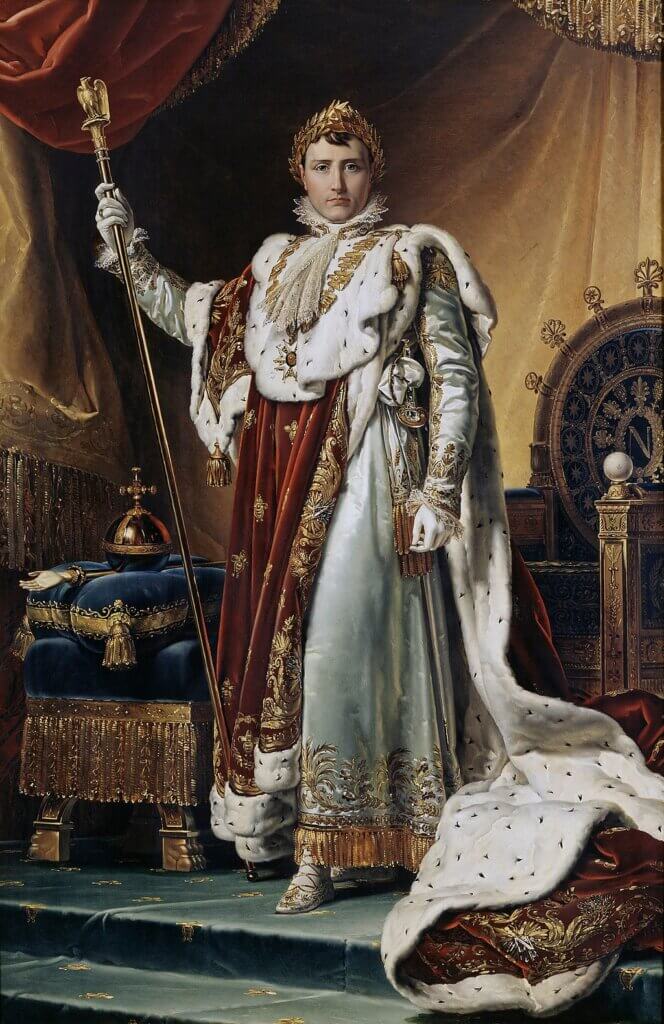
Which Monarchs Still Have Coronations?
For several centuries, a coronation was an integral part of succession. However, throughout the nineteenth and twentieth centuries, many surviving monarchies have slowly eliminated the coronation ceremony and replaced it with proclamations or other oath-taking ceremonies. (They typically take place in front of the parliament or government.)
There are still some monarchies that do have coronations now. Obviously, the monarch of the United Kingdom (as well as Canada, Australia, New Zealand… etc) has a coronation. However, the monarchies of Tonga, Lesotho, Brunei, Thailand, and a few other nations do still hold coronations, as well. Asian coronations tend to have significant Buddhist influences.
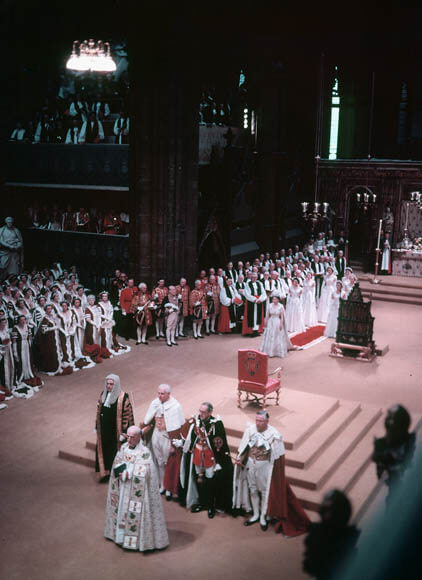
Elements of a Coronation
Depending on where the coronation is taking place, it can have several different elements. They will all have the physical act of crowning, but the others can vary. Oftentimes, you will see the monarch take an oath, sometimes multiple oaths- these can be oaths to the people, to religious figures, or both. In the case of many Western coronations, the aristocracy will also swear oaths of fealty to the new monarch. There can be specific pieces of music used for the ceremony, and more often than not, specific jewels and items are used.

Where Do Coronations Take Place?
Coronations generally take place in royal palaces or in places of worship; sometimes there is a combination of both. King Charles’ May 2023 coronation will take place at Westminster Abbey. (All English and British coronations since William the Conqueror’s 1066 coronation have taken place at the Abbey.)
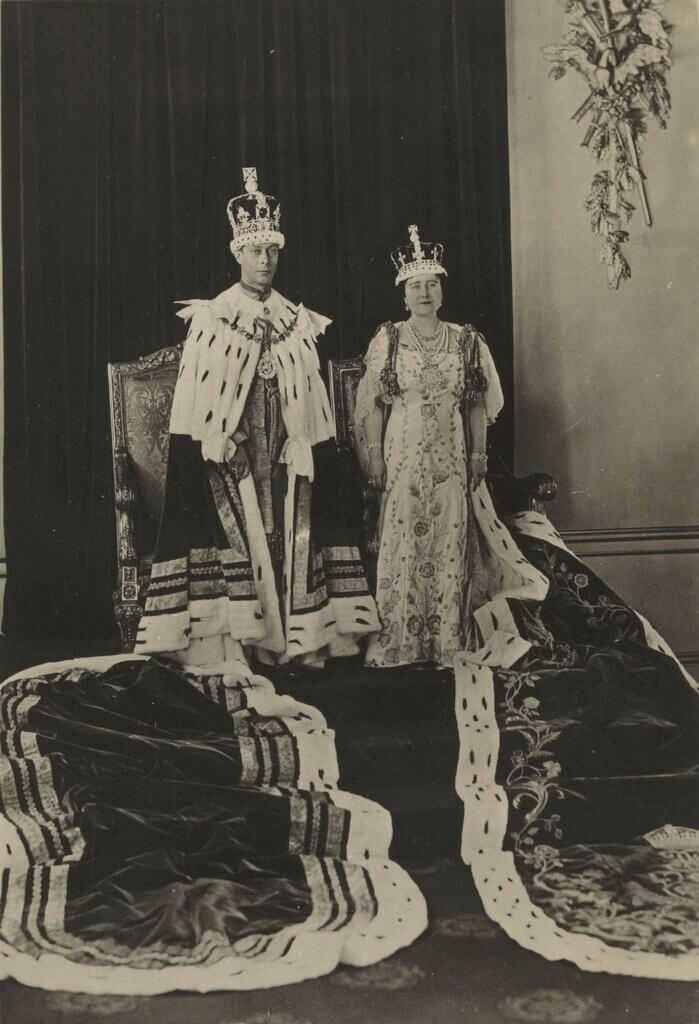
Coronation Reading List
If you are interested in reading more about coronations, these books are a great place to start. They are mostly focused on British and European coronations, but I will add more as I find them. While it is quite a long read, I would recommend starting with Strong’s book.
Gelder, Klaas van. More than Mere Spectacle: Coronations and Inaugurations in the Habsburg Monarchy during the Eighteenth and Nineteenth Centuries. New York: Berghahn Books, 2021.
Gosling, Lucinda. Royal Coronations. Oxford, United Kingdom: Shire Publications, 2013.
Range, Matthias. Music and Ceremonial at British Coronations: From James I to Elizabeth II. S.l.: Cambridge Univ Press, 2023.
Strong, Roy. Coronation: A History of the British Monarchy. London: William Collins, 2022.
Each month I will delve into a different element of the history of coronations, and closer to May, I will cover what we can expect to see on the big day! I hope you enjoy the Coronation Chronicles…
Cheers,
The Historian
Facebook | Twitter | Instagram | Pinterest