If you are like me, this is the time of year when you load up on mystery novels. It is an eerie time of year. Here in the Northern Hemisphere, the days are getting shorter quickly and cold weather is moving in fast. And that doesn’t even factor in the creepy vibes that Halloween brings. I tend to gravitate to non-murder mysteries or at least cosy mysteries. So, in honour of this supernatural season, let’s explore the history of mystery novels today!

The Eighteenth-Century Novel
Many will point to the mystery novel beginning in the mid-nineteenth century, but I personally think that its roots are in the eighteenth century. We see the form that we now know as novels emerge in the seventeenth century. Pamela by Samuel Richardson is considered the first English novel published in 1741. While the first printed books in England were produced in the late fifteenth century, by the mid-eighteenth century novels are wildly available and affordable. These novels tended to be less structured than we see now.
The Gothic Novel
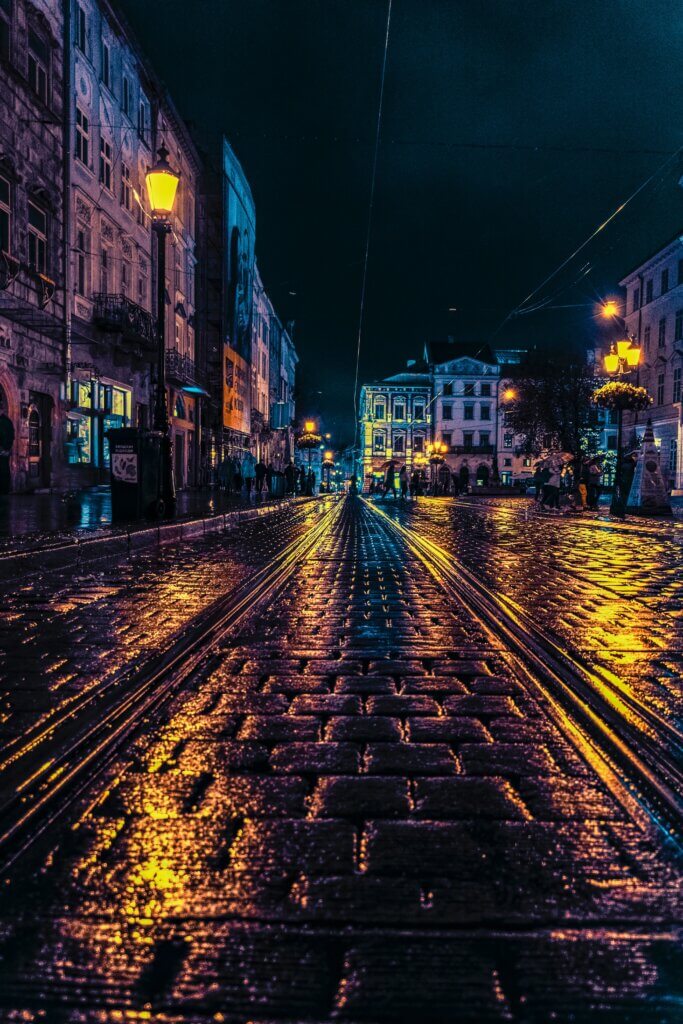
When following the timeline of mystery novels, I think that we need to consider the Gothic novel as the forebearer of what we know as mystery novels today. Gothic novels are defined as “an English genre of fiction popular in the 18th to early 19th centuries, characterized by an atmosphere of mystery and horror and having a pseudomedieval setting.” This means that while there may or may not be a specific mystery being solved, mystery is a significant element in the novel. Although many people will argue with me, I consider The Mysteries of Udolpho by Ann Radcliffe to be a mystery in addition to a Gothic novel.
Interested in more book previews, period dramas, royal news, and more? You can subscribe to my biweekly substack newsletter here: https://anhistorianabouttown.substack.com/.
A Plethora of People and Police
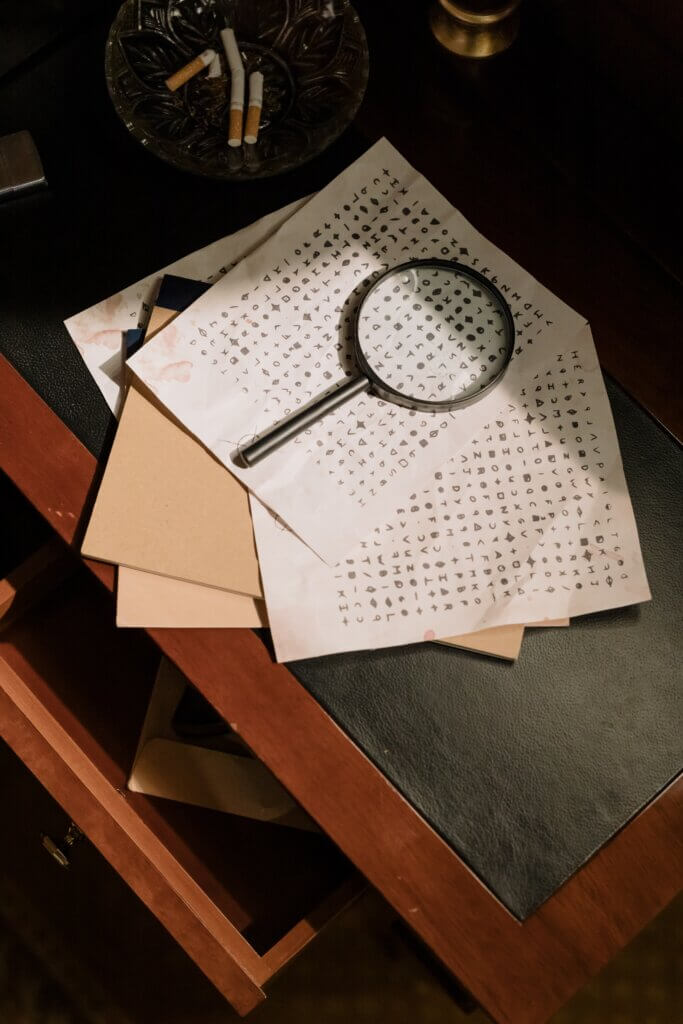
In the nineteenth century, we see many people moving into urban centres (largely due to the industrial revolution). And with these quickly growing cities, we see the first formal police forces and their detectives. A detective, either professional or amateur, is a key element of the mystery genre.
Edgar Allen Poe’s short story The Murders in the Rue Morgue is the first detective story, and it was published in 1841. Wilkie Collins’ The Moonstone, published in 1861, is considered the first full-length mystery novel. Throughout the second half of the nineteenth century, we see fictional detectives solving crimes through more and more logical methods of investigation.
The Sherlock Holmes
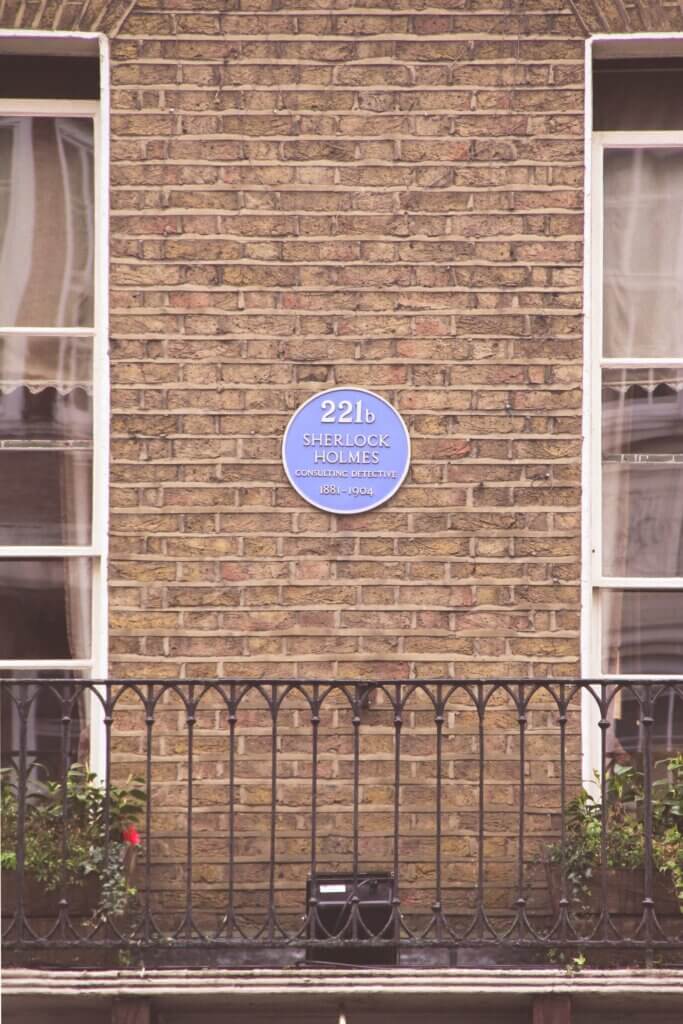
In 1887, Sherlock Holmes and Dr. John Watson make their first-ever appearance in A Study in Scarlet. Arguably the best-known detective in the modern period, Sherlock features in four full-length novels and fifty-six short stories from Sir Arthur Conan Doyle. (There are also several authorised and unauthorised Sherlock-esque books that have been written since.) Holmes is known for resolutely sticking to the facts and removing extraneous information to leave the “solution” behind; this detective prototype will be seen again…

The Golden Age of Mysteries
The 1920s and 1930s were known as the Golden Age of Mysteries. My personal theory is that during the interwar period, people wanted a controlled mystery/danger. A murder or another crime has been perpetrated, but you know that it will be solved by the end of the book.
Authors like Agatha Christie and Dorothy Sayers often used the country house or village setting for their mysteries; these books were immensely popular almost immediately. Christie wrote mysteries are two separate detectives: the amateur Miss Marple and the professional Hercule Poirot. Poirot is known for “using his grey cells” (also known as his brain…) to solve mysteries and to strip away the irrelevant, much like Holmes. Christie remains the best-selling fiction author of all time.

Cosy Mysteries for Everyone
In the late twentieth and twenty-first centuries, we have seen a resurgence in mystery novels through cosy mysteries. Cosy mysteries are mystery novels that often feature an amateur sleuth and an off-page murder- they are not overly grisly. (No sex appears on the page, either- you may have a kiss or a bit of romance, but it is definitely in the background.) The amateur sleuth tends to be fairly well-connected in their community, and the killers are usually community members who have ended up in a bad situation. (As opposed to a serial killer or professional killer.)
You can find a cosy mystery for pretty much anyone. There are cosy mysteries for knitters, bakers, readers, hikers, priests, dog walkers, and more. And there are cosies set in pretty much any time period.
♠
If you want more mystery novels on your to-read lists, I’ve got several recommendations!
The Best Books If You Love Only Murders in the Building
The 5 Most Entertaining Mystery Novels
4 Cozy Series to Make You Fall in Love With Mysteries
Did anything surprise you about the history of mystery novels? What is your favourite mystery novel?
Cheers,
The Historian
Facebook | Twitter | Instagram | Pinterest