Today’s post is going to be a little different from my regular blog posts. As I’ve shared before, I am currently in the process of submitting my PhD application. (Hopefully within the next few days, if I can track someone down on the phone.) I’ve not shared a lot about it, but I have received many, many questions about what I’m planning to work on. So, today I will be sharing more on my academic research and what I hope to be working on!

Putting Together a PhD Proposal
I had somewhat of an idea of what putting together a PhD proposal and funding applications looks like, but there is nothing like doing it yourself. I’ve been seriously working on it since June, and done more hours of academic reading than I could have ever imagined while maintaining a full-time job (and the blog and somewhat of a life). On the flipside, I have an incredibly strong (and interesting) bibliography to work off of!
One thing that I do find frustrating is continually having to reconfigure my work to fit application parameters. As someone who works at a university and has gone to grad school already, I knew this was coming. However, doing it on top of everything already on my plate gets frustrating.

The History of Monarchy and What Comes With That
Unsurprisingly, most of my research is centred around the history of monarchy. Whenever I introduce my topic of study, I typically need to defend it immediately.
The field faces a lot of criticism from, well, everywhere. Many historians will criticise it for being the old “history of the few”, for giving more thought and attention to those who already have it.
It also gets lumped in with celebrity watching, particularly for anyone working on modern monarchy. There is nothing wrong with celebrity watching- do what you enjoy!- but studying the modern royals from a historical perspective is not the same as celebrity watching. This tends to happen with any topic deemed remotely “female” (see: fashion history).
And finally, with all of the criticisms of and issues surrounding the British Royal Family, people automatically assume that I a) think that they should remain exactly as they are, and b) see no issues with the institution. (Neither of these things are true for me.)

The Monarchy in Canada
Also unsurprisingly as a Canadian, I focus on the history of the monarchy in Canada. There is very little written on the monarchy in Canada, as a whole. Yes, there are a few historians who originally worked in other areas who are now starting to publish in it, but overall, there is not a lot to go on. What is out there tends to be articles focusing on one aspect of a particular royal tour, or essay collections on the political fate of the monarchy in Canada.
As someone looking to do a PhD on the topic, it can be a little unnerving to have so little scholarship to look to and interact with, but it also means that there are almost unlimited possibilities.
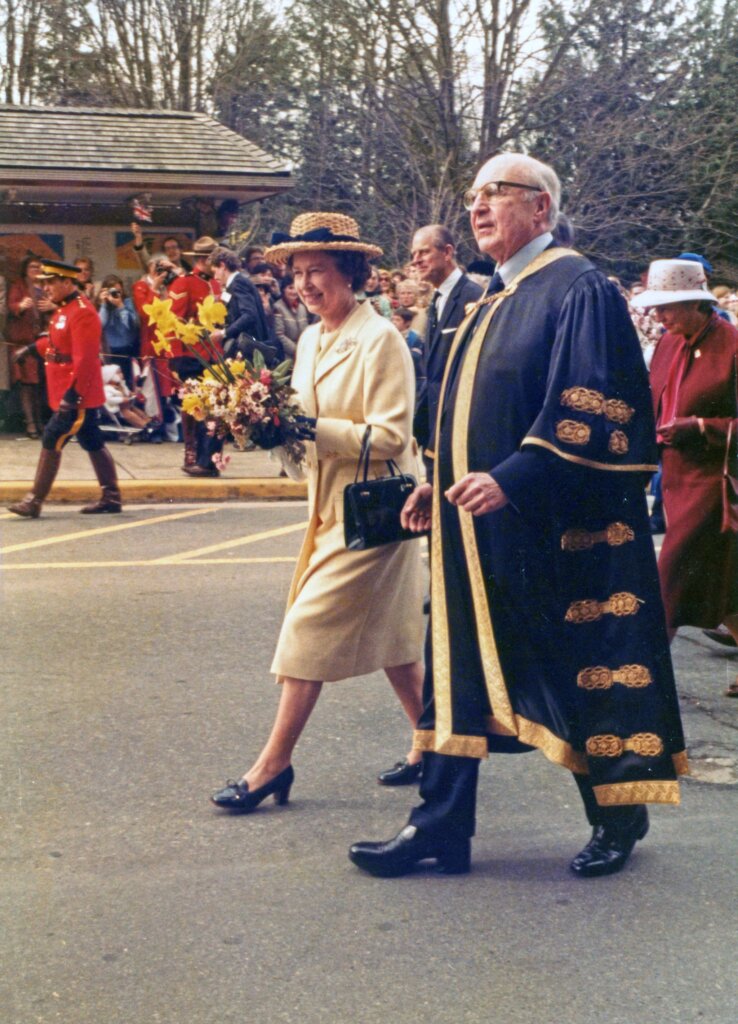
Royal Tours to Canada
My proposed project will be looking at royal tours to Canada. As one of the senior realms, Canada has had its fair share of royal visitors over the decades. While the British Royal Family is also technically the Canadian Royal Family, we do not see them acting as such very often- it is usually limited to tours. (And the occasional global sporting event where a member of the royal family will visit the Canadian dressing room or area before heading back to support the UK). Tours happen for a number of different reasons, and take many different forms, and I am continually finding more and more questions to ask.
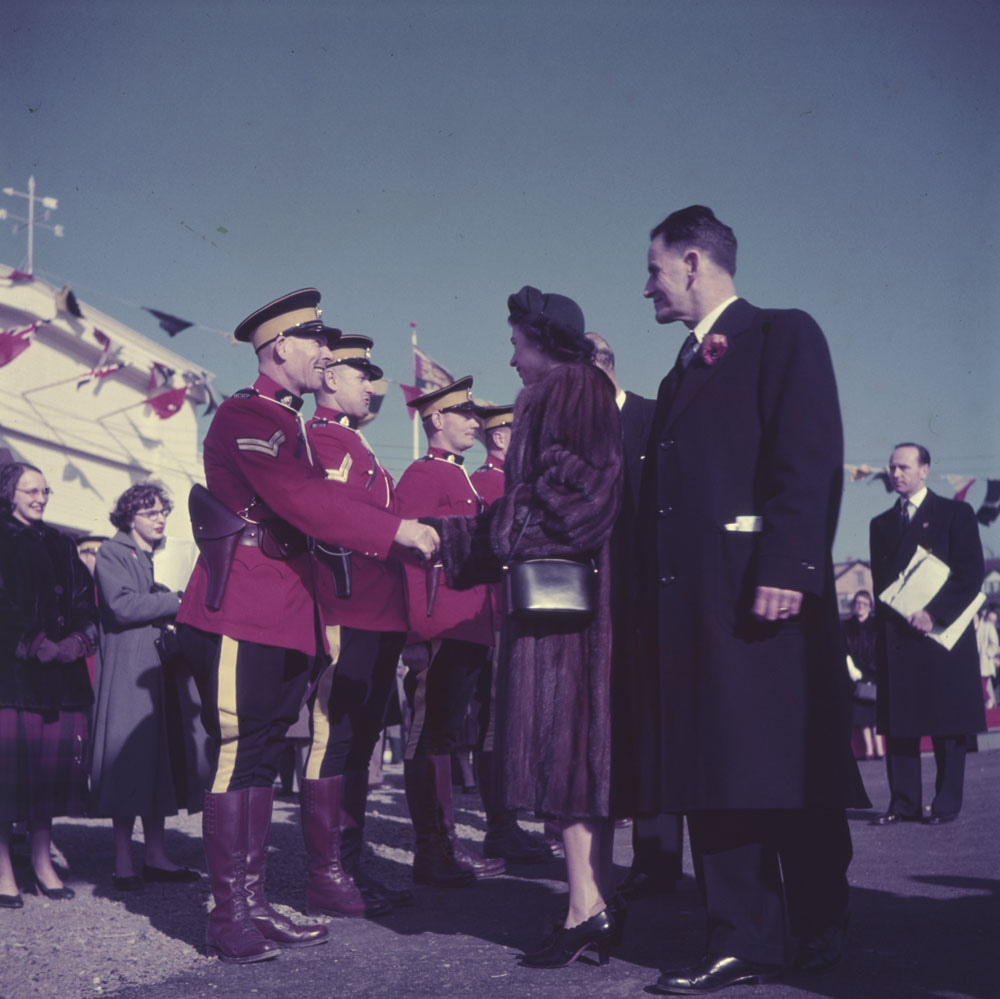
What’s Next?
So, what’s next? Hopefully submitting my PhD application. (The only thing left is to figure out how to have my references submit.) I’ve got to finish a draft for an academic article for 1 March, so that will be February’s work. And I’ve been accepted to present at a conference on the history of monarchy in June, so working on that research and paper is still very much at the forefront.
If I don’t get accepted or receive funding, I will be applying again for autumn 2023. I know that both are a long shot, but you have to at least try, right?
I hope you have enjoyed learning a bit more about my academic research on the history of monarchy, please feel free to send any questions you might have!
Cheers,
The Historian
Facebook | Twitter | Instagram | Pinterest

.jpg)
.jpg)
_Race_Track,_Queen_St._E._(16771128373).jpg)

